300x85-png.webp)


 Hong Kong
 Singapore
 China
China Dubai
Dubai Thailand
 United Kingdom
 Mexico
Some patients overlook primary healthcare due to costs and waiting time, but primary care plays a vital role in promoting good health. For both individuals and communities, it is the first line of defense for preventive healthcare measures, early intervention, and chronic condition management.
Discover the world’s top
health insurers.
Compare quotes with
a click of the button.
Are you considering insurance options and unsure what primary care covers—and whether it’s even worth paying for?
In this Pacific Prime article, we discuss the importance of primary healthcare and how you can tailor your insurance plan. If you’re ready to secure a plan but are unsure which plan will best fit your needs, contact our professional brokers for free, no-obligation quotes.
What to Know About Primary Care

Primary healthcare is often your first contact point with the healthcare system. It also plays an important part in ensuring your community is healthy through health promotion, preventive healthcare, early intervention, and community-based chronic condition management.
Primary care specialties include internal medicine, family medicine, pediatrics, and obstetrics and gynecology (OBGYN). Most primary care is treated by doctors, though nurse practitioners and physician assistants also play a vital role in primary care.
Primary Care as Your First Point of Contact in the Healthcare System
If you or someone in your family is feeling under the weather or noticing new symptoms, first consult with your primary care doctor, whether that’s your family doctor, pediatrician, or OBGYN.
Your physician can provide a thorough check-up, give their diagnosis, and maybe prescribe medications or treatment for your recovery. Should your condition require further tests or more extensive treatment, they might refer you to a specialist or a larger hospital.
Primary Care’s Role in Community Health Promotion
Primary healthcare providers are in the optimal position to carry out community health promotion, from advocating for healthy lifestyles to preventing illness using preventive healthcare and early intervention.
Primary healthcare physicians are usually easier to access than specialists, and you will likely see the same providers over time. This means primary healthcare providers can have a better grasp of your health history and lifestyle compared to tertiary care providers.
They can flag potential health issues early on, even before any substantial symptoms show up, relying on your family’s health history or annual check-ups.
Primary Care Treatment for Chronic Conditions
Accessible primary healthcare ensures patients with chronic conditions can receive monitoring without going to the hospital. Some chronic conditions do not require extensive care from doctors when they are well managed, but periodic monitoring and medication management are still necessary.
Primary care can lift the burden of travelling to the hospital for patients, especially elderly patients and those with limited mobility.
Why Primary Healthcare is So Important
A robust primary healthcare system is crucial in alleviating the number of people going to emergency rooms and public hospitals for healthcare, ensuring accessibility to healthcare, and maintaining the sustainability of the healthcare system.
Primary Care Lessens the Load on Large Hospitals
Not every patient needs the extensive equipment and specialist care of major hospitals. A strong primary care system ensures hospitals are not inundated by patients who don’t need to be there for treatment.
In many countries, people might prefer seeking care directly from hospitals regardless of the severity of their conditions. Usually, this is due to most hospitals having more doctors, equipment, and medications.
However, this means hospitals are overfilled by patients who may not need to be there. This leads to many issues, including higher workloads for staff and longer waiting times for patients.
Primary Care Lightens the Load on Emergency Rooms
Primary healthcare is vital in lessening the patient load of emergency rooms, especially for patients whose conditions are not critical.
Some patients prefer visiting an emergency department for their non-emergency conditions. This is due to the belief that they might be able to see doctors quicker.
However, as emergency rooms usually treat patients on a triage basis (most critical patients are treated first), patients who visit ERs without critical conditions are likely to have a long waiting time. This also adds additional workload to ER staff.
Primary healthcare, which is usually more accessible compared to larger hospitals, can ensure that patients without critical conditions still receive the healthcare they need.
Primary Care Providers Can Provide Holistic Care
Primary healthcare providers who are familiar with your health history can provide the most holistic healthcare. More often than not, your overall well-being is affected by factors beyond yourself, including your living environment, home condition, family’s health history, and so on.
Primary healthcare providers who are in your locality and see you regularly are likely to have a more in-depth understanding than specialists of the factors that affect your health.
Covering Primary Care Delivery Costs
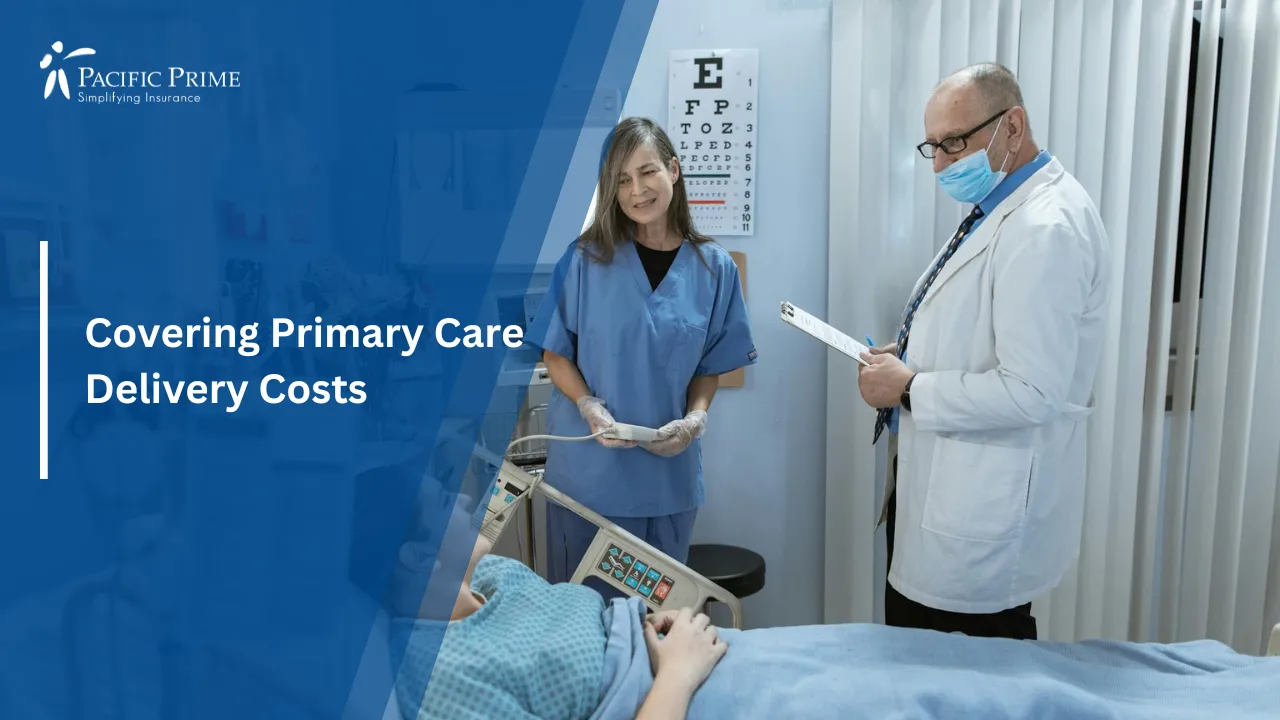
Some patients may decide to skip their annual check-ups or minor appointments due to financial reasons. Some may forgo medical insurance with primary care coverage altogether, but this can lead to more severe health conditions and higher medical expenses in the long run.
Public Insurance for Covering Primary Care Delivery
Many countries have public insurance that covers primary care, such as the UK’s NHS, Australia’s Medicare, and Japan’s NHI. These services are usually available for permanent residents only, so expats should purchase a health insurance plan that covers primary care benefits.
Some countries offer subsidized medical coverage to citizens of other nations with whom they have a mutual agreement, such as those countries that offer a European Health Insurance Card.
It is also advisable to research the nature of your destination country’s healthcare system if you are moving abroad. While some countries have a strong primary care system with prompt and affordable services, others lack sufficient staff, training, and medical equipment.
Remember that public health insurance may not cover your visit to private primary care providers.
Private Insurance for Covering Primary Care Delivery
Many private insurers offer outpatient coverage, which includes primary care. This benefit may come as part of a core health insurance plan, through a separate dedicated plan, or as an additional rider.
Outpatient coverage can help reduce your financial burden, especially if you have to visit your doctor often without getting hospitalized. To ensure you get the right outpatient coverage for yourself:
- Consider the coverage limits: Many insurance plans have limits on how many visits they will cover and how much expense they will cover.
- Consider the exclusions: Pre-existing conditions, psychiatric conditions, and appointments due to sporting accidents or self-harm are usually excluded from coverage.
- In-network hospitals: In-network hospitals can process your expense directly with your insurers, offering you an easier claims process.
- Check the premiums: Premiums should be affordable for you in the long run, and different insurers may have different policies regarding premium adjustment.
Conclusion
To make sure you get the best primary care insurance plan for your needs, contact an insurance broker, like Pacific Prime, to assist you in finding a budget-friendly, flexible plan.
Unlike insurance agents that represent insurers, insurance brokers represent you in the insurance purchase. You can benefit from expert advice in finding the right plan and other services, such as claim and renewal assistance.
Contact Pacific Prime’s expert today for insurance advice that is tailored for you, free of charge.
- The 5 Best Travel Insurance for a Trip to Bangkok – August 22, 2025
- Navigating the Australian Health Insurance System – August 8, 2025
- How to Choose the Right International Hospitals for Expats – July 11, 2025



Comments