300x85-png.webp)


 Hong Kong
 Singapore
 China
China Dubai
Dubai Thailand
 United Kingdom
 Mexico
Thailand is a popular expat destination where a single person can live relatively comfortably on about THB 60,000–90,000 per month, while couples or small families may need THB 120,000–200,000 each, depending on lifestyle and city choice.
Discover the world’s top
health insurers.
Compare quotes with
a click of the button.
Wondering how much you need to cover rent, groceries, transport, and leisure? Curious about healthcare costs, entertainment, or family expenses? Or whether your salary can support a comfortable lifestyle in Thailand?
In this Pacific Prime article, we break down living costs, explore average salaries, and highlight essential expenses to help you answer the key question: how much to live comfortably in Thailand?
Understanding the Cost of Living in Thailand
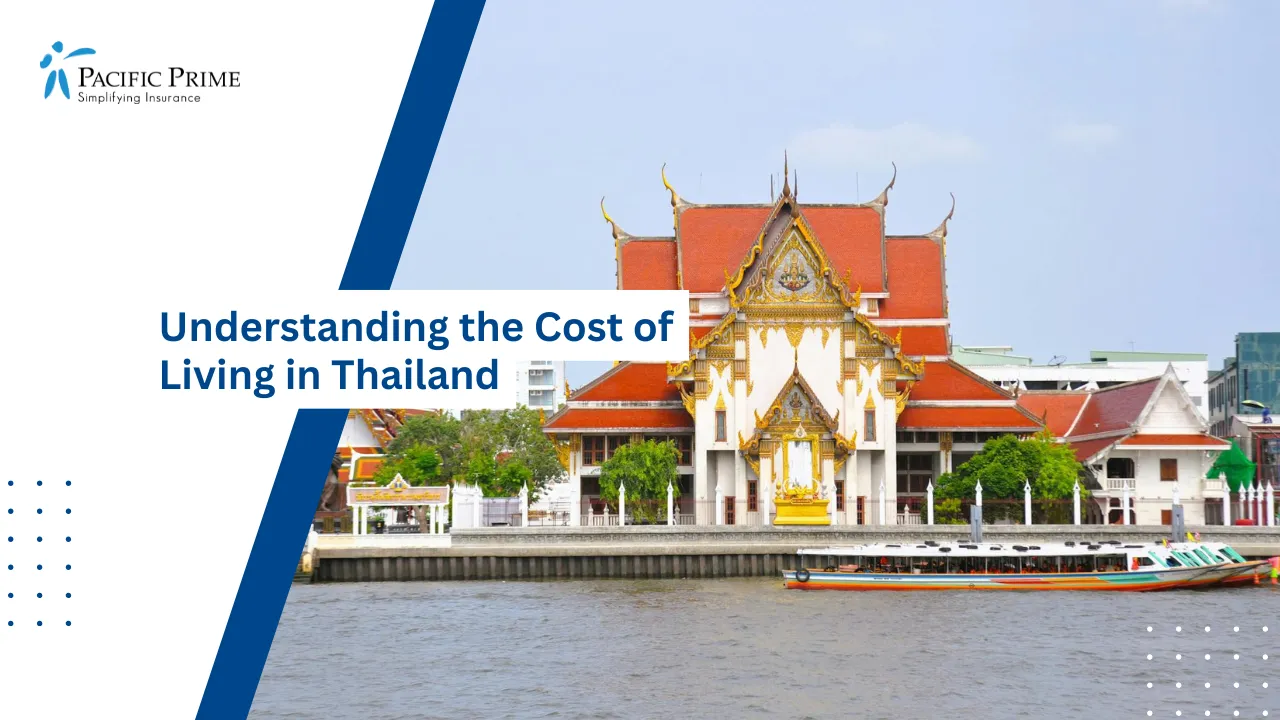
The cost of living in Thailand varies widely depending on the city, lifestyle, and family size. Bangkok is typically the most expensive, while Chiang Mai, Phuket, and other smaller towns offer lower-cost options. Housing, transport, and food drive most monthly expenses.
“Comfortable living” in Thailand means covering all basic needs without stress, enjoying cultural experiences, dining out occasionally, and participating in leisure activities. It also implies having financial security and flexibility to explore lifestyle options and local attractions.
Housing Costs
Housing costs vary greatly by city, neighborhood, and type of accommodation. Bangkok is the most expensive, while Chiang Mai, Phuket, and smaller towns offer more affordable options without compromising comfort.
Average monthly rent by city and type:
- Bangkok: THB 15,000–35,000 (1-bedroom central), THB 60,000–120,000 (3-bedroom apartments)
- Chiang Mai: THB 8,000–20,000 (1-bedroom), THB 40,000–80,000 (villas)
- Phuket: THB 12,000–30,000 (apartments), THB 50,000–90,000 (family homes)
- Smaller towns: THB 5,000–12,000 (apartments), THB 20,000–40,000 (houses)
Additional factors influencing rent include furniture, included utilities, proximity to schools, and long-term lease discounts. Sharing housing or negotiating directly with landlords can further reduce costs while maintaining a comfortable lifestyle.
Utilities and Internet
Monthly electricity, water, and gas bills typically cost THB 1,500–2,500 for a single person, but heavy AC use or larger households can increase this. Utilities in condos may be slightly higher if common-area fees are taken into account.
Internet and mobile plans are affordable. Home broadband starts at around THB 400/month, while mobile 5G plans also start near THB 400/month. Bundled packages often offer higher speeds and additional perks like unlimited data or international calling.
Transportation
In Bangkok, public transport is convenient and cost-effective. BTS or MRT rides range from THB 15–60 per trip. Taxi rides start at THB 35 (metered), and Grab rides start at THB 60, while motorbike taxis cost as little as THB 20 for short trips, ideal for quick commutes across congested areas.
Owning a car increases monthly expenses significantly. Car rentals can cost THB 14,000–35,000/month, plus fuel, insurance, parking, and maintenance. In smaller towns, owning a vehicle is almost always necessary due to limited public transport, affecting overall lifestyle costs.
Food and Groceries
Street food is cheap, around THB 50–100 per meal, while mid-range restaurants charge THB 600–2,000 for two people. Grocery shopping averages THB 4,000–8,000/month for a single person, depending on imported goods or local produce preferences.
Cooking at home can reduce expenses while supporting a balanced diet. Families will spend more depending on household size, dietary needs, and lifestyle. Dining out occasionally allows expats to enjoy local cuisine and social activities without significantly increasing the budget.
Healthcare and Insurance
Thailand offers both public and private healthcare. Public hospitals are affordable but typically have longer waits and limited English support. Private hospitals provide faster service, modern facilities, and expat-friendly care at higher costs (THB 2,000–6,000 per standard visit).
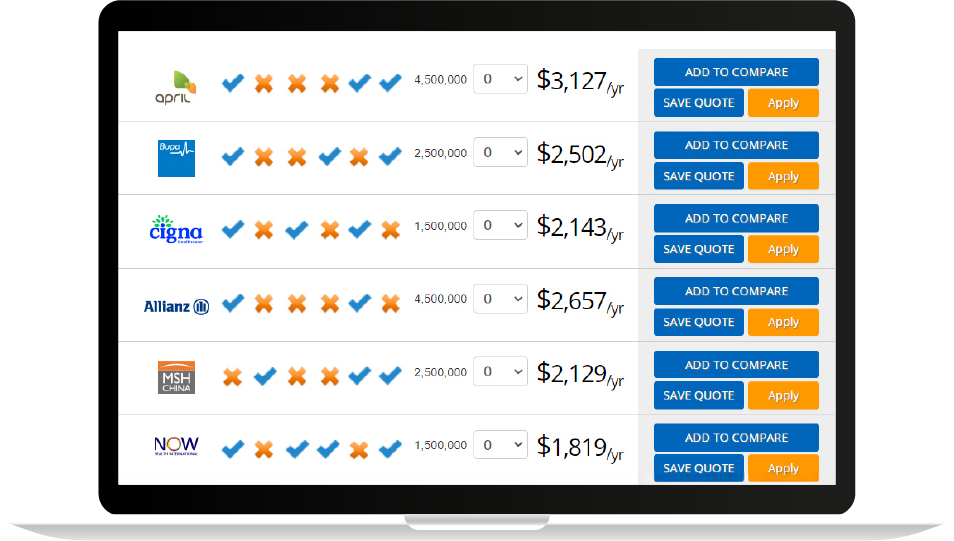
International health insurance is essential for expats. Pacific Prime plans provide:
- Cashless access at top private hospitals
- Coverage for inpatient and outpatient care
- Optional add-ons: maternity, dental, optical, wellness
- Global support and multilingual hotlines
Securing international health insurance ensures peace of mind, financial protection, and uninterrupted access to quality care, allowing expats to enjoy Thailand fully without worrying about unexpected medical costs.
Entertainment and Leisure
Leisure activities vary, from gym memberships (THB 1,000–2,500/month) to cultural visits costing THB 50–300 per activity. Movie tickets average THB 280, while weekend trips, dining, or tourist excursions raise costs but remain manageable.
Balancing work, social life, and travel creates a comfortable lifestyle. Planning entertainment and hobbies within a budget allows expats to experience Thailand fully while keeping expenses predictable and avoiding financial stress.
Salary Needed to Live Comfortably

Thailand’s cost of living varies by city, lifestyle, and family size. On average, single expats need THB 60,000–90,000 per month in Bangkok, while couples and families may need THB 120,000–200,000 to enjoy comfortable housing, healthcare, and leisure.
Single Expats
A single expat living in Bangkok should expect to spend THB 60,000–90,000 monthly for a one-bedroom condo, transport, meals out, and private healthcare. Chiang Mai offers a similar lifestyle for THB 45,000–70,000, thanks to lower rent and food prices.
This range allows room for savings, weekend trips, and leisure activities like gyms or social outings. Expats can maintain a balanced lifestyle—covering all essentials comfortably without financial stress or needing to compromise on quality of life.
Couples and Families
For couples without children, a combined monthly income of THB 100,000–150,000 in Bangkok ensures a comfortable living, covering rent, dining out, private health insurance, and occasional travel. Provincial cities can offer similar comfort for less.
Families, however, face added expenses like schooling, childcare, and larger housing. International schools alone can cost THB 300,000–800,000 yearly. A household income of THB 150,000–250,000+ monthly helps ensure stability and quality family life.
Factors Affecting Salary Requirements
Lifestyle has the greatest impact. Those who cook at home, use public transport, and live outside city centers can save significantly, while imported goods and luxury condos can double monthly costs.
City choice also plays a big role. Bangkok and Phuket are pricier, while Chiang Mai and smaller provinces are far cheaper. Inflation and exchange rates can also affect real spending power for those earning in foreign currencies.
Tips to Reduce Expenses Without Sacrificing Comfort
Living comfortably in Thailand doesn’t mean overspending. By making smart choices on housing, food, and transportation, expats can enjoy a high quality of life while keeping costs manageable. These practical strategies help balance comfort with long-term savings.
Cost-Effective Housing and Neighborhoods
Choosing the right neighborhood can save thousands monthly. Areas like On Nut, Udom Suk, or Ari in Bangkok offer modern condos with great amenities at half the price of downtown Sukhumvit. In Chiang Mai, Nimman and Santitham are top affordable picks for expats.
Long-term leases often come with lower rent. Sharing an apartment or house is another easy way to cut costs without losing comfort. Many expats also negotiate directly with landlords, especially for stays over a year, to secure better monthly rates.
Cooking at Home and Using Local Markets
Thailand’s local markets offer fresh produce, seafood, and spices at prices far below supermarkets. Shopping where locals shop can lower your grocery bill by up to 50%, helping you enjoy healthy meals without compromising taste or nutrition.
Cooking at home also reduces daily food costs. While dining out is cheap, restaurant meals add up. Home-cooked Thai or fusion dishes offer comfort and control over diet while keeping your budget flexible for other activities or savings goals.
Public Transport vs. Car Ownership
Public transport in Thailand is efficient and budget-friendly. The BTS, MRT, and local buses make getting around Bangkok convenient, while in Chiang Mai or Phuket, motorbikes are the go-to affordable option for short commutes or weekend trips.
Owning a car, on the other hand, adds fuel, insurance, and maintenance costs that can easily exceed THB 10,000 per month. Using public transport or shared rides helps avoid traffic stress while saving money for leisure or travel instead.
Budgeting Tools for Expats
Tracking expenses is essential for financial balance. Apps like Mint, YNAB, or local Thai tools like Piggipo let expats categorize spending, set monthly goals, and manage multiple currencies with ease.
Setting a fixed monthly budget ensures control over rent, dining, and entertainment costs. Reviewing expenses regularly also helps identify areas for adjustment, maintaining comfort while keeping finances sustainable long-term.
Challenges and Considerations
While Thailand offers a low cost of living and a great quality of life, expats still face certain challenges. From legal requirements and cultural adjustments to navigating healthcare and money management, being prepared helps ensure a smooth and rewarding transition.
Visa and Legal Requirements
Staying legally in Thailand requires the right visa type. Expats can apply for Non-Immigrant, Retirement, or Work visas depending on their purpose. Each comes with specific rules on extensions, 90-day reporting, and proof of income or employment.
Failure to comply with visa regulations can result in fines or blacklisting. Many expats use professional visa services to avoid confusion. Staying informed and organized ensures peace of mind and uninterrupted residency in the Kingdom.
Cultural Differences and Adaptation
Thailand’s culture values respect, hierarchy, and patience. Understanding social norms—like removing shoes indoors or greeting with a “wai”—helps expats integrate smoothly and build genuine local connections.
Language can be a barrier, but learning basic Thai phrases goes a long way. Joining community events and being open to cultural nuances helps ease adaptation, making everyday interactions more enjoyable and respectful.
Financial and Tax Obligations
Expats earning in Thailand must understand local tax rules. Income earned locally is taxable, while foreign income may be subject to Thai tax if remitted. Consulting a tax advisor ensures compliance and helps maximize savings legally.
Currency fluctuations can affect income value, especially for remote workers paid in foreign currencies. Maintaining multiple accounts or saving in stable currencies can help offset exchange-rate risks and protect financial stability.
Why International Health Insurance is Essential
Healthcare costs in Thailand can vary widely, especially in private hospitals where bills can quickly escalate. International health insurance provides peace of mind, covering emergency care, inpatient treatment, and unforeseen medical expenses, so expats avoid financial strain.
Having insurance also ensures access to cashless treatment at many private hospitals. This simplifies the claims process, allowing expats to focus on recovery rather than paperwork. A robust plan safeguards against unexpected emergencies, maintaining financial stability while living abroad.
Peace of Mind and Financial Protection
Private healthcare in Thailand is excellent but expensive. Without proper coverage, even routine hospital visits can cost thousands of THB. International insurance protects expats from these high costs, offering coverage for both emergencies and planned medical care.
Cashless hospital access, emergency evacuation, and global coverage are key benefits. Expats can rest assured that unexpected illnesses or accidents won’t derail their finances. Insurance essentially acts as a safety net, supporting a secure and stress-free lifestyle in Thailand.
Pacific Prime’s Expertise
With over 25 years of experience, Pacific Prime helps expats select the right international health insurance plans. Their advisors guide clients in comparing policies, understanding benefits, and managing claims efficiently, ensuring comprehensive coverage without confusion or delays.
Pacific Prime also helps Canadians and other expats navigate renewals, updates, and provider networks. This expertise ensures expats can maintain continuous coverage, access top-tier hospitals, and avoid costly gaps in their health insurance while living abroad.
Supporting a Comfortable Lifestyle
Having international health insurance allows expats to budget confidently. By covering major medical expenses, it reduces the risk of unplanned financial burdens, letting expats enjoy Thailand’s lifestyle fully without worrying about sudden healthcare costs.
Access to quality care without financial strain ensures a smooth expat experience. From routine checkups to emergency treatment, insurance enables a balanced lifestyle, allowing expats to focus on work, travel, and leisure while living comfortably in Thailand.
Frequently Asked Questions
What is the middle class salary in Thailand?
A middle-class household in Thailand typically earns between 519,000 and 1,385,000 THB per year (around 43,000–115,000 THB monthly). Based on 2021 data, the median income was about 692,000 THB annually, though this can vary by region and lifestyle factors.
How much do you need to retire in Thailand?
To retire in Thailand, you’ll need a retirement visa, requiring 800,000 THB in a Thai bank or a 65,000 THB monthly income, plus health insurance.
How expensive is owning a car in Thailand?
Owning a car in Thailand can be costly due to high import taxes, fuel prices, and maintenance fees. Including insurance and tolls, monthly expenses typically range from 7,000 to 10,000 THB, making it a significant commitment compared to using public transport.
Conclusion
Living comfortably in Thailand depends on matching your income to your lifestyle, housing, and family needs. From local markets to modern apartments, the country offers affordable options across Bangkok, Chiang Mai, and Phuket for expats seeking comfort without overspending.
Budgeting wisely for rent, food, transport, and leisure helps maintain financial stability while enjoying Thailand’s culture and warm climate. Understanding your expenses and planning ahead ensures a smooth transition and sustainable long-term living.
Healthcare is another key factor in living well abroad. International health insurance protects against costly private hospital fees and guarantees quality care. With 25 years of experience, Pacific Prime helps expats find, compare, and manage the best global plans.
Contact us today, and get a free quote. Our expert advisors will guide you toward a plan that fits your lifestyle, ensuring comfort, security, and peace of mind while enjoying your new life in Thailand.

After obtaining his Bachelor’s Degree in Social Sciences, International Relations from Mahidol University International College, Veerabhatr has forged his career as a content writer in the travel, lifestyle, and real estate industries, writing in both English and Thai. He now continues to hone his skills as a writer at Pacific Prime, looking to engage and educate the audience by simplifying insurance.
Writer by day, and a DJ by night, Veerabhatr is a staunch music lover, and listens to all spectrums of genres available. He also loves to drink beer (moderately), eat all types of food, go to the beach, and learn about different cultures across the globe. He is also a die-hard fan of football and motorsports.
- How Much Salary Do You Need to Live Comfortably in Thailand? – October 22, 2025
- Guide on Moving to Thailand from Canada as An Expat – October 20, 2025
- Top Health Insurance in Thailand for Russian Expats: Options and Benefits – October 16, 2025

Comments