300x85-png.webp)


 Hong Kong
 Singapore
 China
China Dubai
Dubai Thailand
 United Kingdom
 Mexico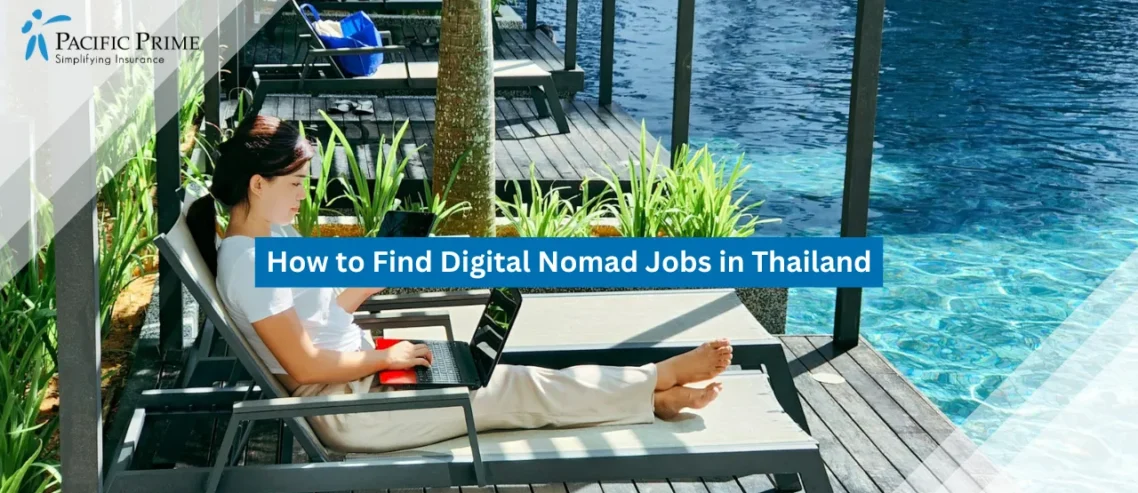
Thailand has long been a magnet for digital nomads thanks to its tropical climate, affordable living, vibrant culture, and reliable internet infrastructure. From the bustling streets of Bangkok to the serene beaches of Koh Samui, the country offers a diverse backdrop for remote work.
Discover the world’s top
health insurers.
Compare quotes with
a click of the button.
But while the lifestyle is alluring, navigating Thailand’s job market, legal requirements, and visa rules can be complex. Are you considering being a digital nomad in Thailand? Not sure where to start or how to look for jobs?
This Pacific Prime guide covers everything you need to know to find digital nomad jobs in Thailand: where to look for opportunities, what types of jobs are available, and how to stay compliant with Thai labor laws, visa options, and health insurance requirements.
Where To Find Digital Nomad Jobs in Thailand
Digital nomad jobs in Thailand are typically remote roles with companies based outside the country. These jobs are found online through global platforms, niche job boards, and community groups.
Thailand is a haven for remote workers, but due to local labor laws, most digital nomads work for companies or clients based outside the country.
Job Boards and Platforms
Job boards and platforms allow you to work with companies worldwide while living in Thailand, keeping you compliant with local laws. Here are some popular platforms where you can find digital nomad jobs in Thailand:
- We Work Remotely: A leading job board for remote tech, marketing, and customer support roles.
- Remote OK: Offers a wide range of remote jobs, including freelance gigs and full-time positions.
- Upwork: Ideal for freelancers in writing, design, development, and consulting.
- Fiverr: A gig-based platform for creatives and service providers.
- Toptal: A premium network for software developers, designers, and finance experts.
- LinkedIn: Use filters to find remote jobs and connect with recruiters globally.
- AngelList: Great for startup jobs, especially in tech and product development.
Online Groups and Communities
Joining online communities can help you network, find job leads, and get advice from fellow nomads. These groups often post freelance gigs, remote job openings, and visa updates:
- Digital Nomads Thailand (Facebook group): A vibrant community sharing tips, job leads, and meetups.
- Chiang Mai Digital Nomads (Facebook group): Focused on one of Thailand’s most popular nomad hubs.
- Nomad List: Offers forums, city guides, and job boards tailored to remote workers.
- Reddit (r/digitalnomad): A global community discussing remote work and travel logistics.
- Slack groups like Remote Work Hub or Workfrom: Great for networking and job sharing.
Types of Jobs Available for Digital Nomads in Thailand
The types of jobs available are typically location-independent, meaning you can perform them anywhere with a stable internet connection. These roles span across industries like tech, design, education, marketing, and consulting.
Whether you’re a freelancer, entrepreneur, or full-time remote employee, Thailand provides the perfect backdrop for a productive and adventurous lifestyle.
Here are the most common job categories for digital nomads in Thailand:
Web Development and Programming
Remote developers are in high demand globally. Roles include front-end, back-end, and full-stack development, as well as app and software engineering. Many nomads work with startups, agencies, or freelance clients via platforms like Toptal, Upwork, or GitHub Jobs.
Content Writing and Copywriting
Writers can thrive by creating blog posts, articles, marketing copy, technical documentation, or ghostwriting for clients. SEO knowledge and niche expertise (e.g., finance, travel, tech) can boost your earning potential.
Graphic Design and UI/UX Design
Designers are sought after for branding, website design, app interfaces, and marketing materials. Remote gigs are available on platforms like 99designs, Dribble, and Behance. UX/UI specialists often work with SaaS companies or digital agencies.
Digital Marketing
Digital marketers manage SEO, PPC campaigns, email marketing, and social media strategies. Roles range from freelance consulting to full-time remote positions with global brands. Certifications in Google Ads or Meta Business Suite can be helpful.
Video Editing and Animation
With the rise of YouTube, TikTok, and online courses, video editors and animators are in high demand. Nomads in this field often work with influencers, educators, and brands to produce engaging visual content.
Online Teaching and Tutoring
Teaching English online is a popular choice, especially for native speakers. Platforms like VIPKid, Cambly, and iTalki offer flexible schedules. You can also tutor in subjects like math, coding, or music.
Virtual Assistance and Admin Support
Virtual assistants handle tasks like email management, scheduling, bookkeeping, and customer support. These roles are ideal for organized individuals and can be found on sites like Belay, Time Etc, and Freelancer.
Consulting and Coaching
If you have expertise in business, finance, wellness, or career development, you can offer remote consulting or coaching services. Many nomads build personal brands and attract clients through LinkedIn, webinars, or online courses.
E-commerce and Dropshipping
Running an online store or dropshipping business is another viable path. Platforms like Shopify, WooCommerce, and Amazon FBA allow you to manage inventory, marketing, and customer service remotely.
Tech Support and Customer Success
Remote tech support and customer success roles are common in SaaS and IT companies. These jobs involve troubleshooting, onboarding, and maintaining client relationships.
Translation and Transcription
If you’re multilingual, you can offer translation or transcription services. These gigs are available on platforms like Gengo, Rev, and TranscribeMe.
Limitations for Digital Nomads in Thailand
Thailand’s labor laws prohibit foreigners from working for Thai companies without a work permit. This means digital nomads cannot legally take local jobs or freelance for Thai clients unless they have the proper visa and work authorization.
However, you can work remotely for foreign companies or clients while residing in Thailand. To stay compliant:
- Avoid working for Thai-based companies unless you have a work permit.
- Ensure your income comes from abroad.
- Use coworking spaces and cafes for remote work, but don’t advertise local services.
Some nomads use PEO (Professional Employer Organization) services to work with Thai clients legally, but this requires careful planning.
How to Get Started as a Digital Nomad

Starting your digital nomad journey in Thailand can be exciting and overwhelming. To make the transition smooth, it’s important to plan, secure remote work, and understand the legal and logistical requirements. Here’s a step-by-step breakdown to help you get started.
Secure Remote Work or Freelance Clients
Before relocating, ensure you have a stable source of income. This could be a remote job with a foreign company, freelance gigs, or your own online business. Use platforms like Upwork, Remate OK, or AngelList to find opportunities.
Having a consistent income is crucial for visa applications and long-term sustainability.
Choose Your Base in Thailand
Thailand offers several digital nomad-friendly cities, each with its own vibe. Consider your lifestyle preferences, budget, and internet needs when choosing your base:
- Chiang Mai: Affordable, laid-back, and full of coworking spaces.
- Bangkok: Fast-paced, cosmopolitan, and great for networking.
- Phuket and Koh Samui: Beachside living with decent infrastructure but at pricier costs
- Pai and Krabi: Quieter towns for nature lovers and creatives.
Types of Visas for Digital Nomads in Thailand
Thailand offers several visa options that cater to different types of digital nomads, from short-term travelers to long-term remote professionals. Choosing the right visa depends on your income, intended length of stay, and type of work.
Each visa has its own application process, fees, and documentation requirements. It’s important to consult with Thai immigration or a legal advisor to determine the best fit for your situation.
Here are the most relevant visa types for digital nomads in Thailand:
Tourist Visa (TR)
- Valid for 60 days and extendable by 30 days.
- Ideal for short-term stays or scouting trips.
- Not suitable for long-term digital nomad life due to frequent renewals.
Education Visa (ED)
- Granted to those studying the Thai language or other approved subjects.
- Valid for up to one year with periodic renewals.
- Some digital nomads use this to stay longer while attending language schools.
Destination Thailand Visa (DTV)
- A new visa to attract digital nomads and remote workers.
- Allows stays for up to 180 days per entry, renewable annually.
- Requires proof of remote work and sufficient income.
- Designed specifically for location-independent professionals.
Long-Term Resident Visa (LTR)
- Offers a 10-year stay for eligible applicants.
- Categories include remote workers, retirees, wealthy individuals, and professionals in targeted industries.
- Requires proof of income, health insurance, and remote employment
- Ideal for established digital nomads with stable income and long-term plans.
Smart Visa
- Tailored for professionals in tech, innovation, and health sectors.
- Valid for up to 4 years with fewer bureaucratic hurdles.
- Requires endorsement from Thailand’s Board of Investment (BOI).
- Best suited for entrepreneurs and specialists working in approved industries.
Visa Requirements for Digital Nomads
To legally stay and work remotely in Thailand, digital nomads must meet specific requirements depending on the visa type. Here are the general criteria:
Proof of Remote Work or Freelance Income
- Must show employment or client contracts with companies based outside Thailand.
- Income thresholds vary by visa (e.g., USD $80,000/year for LTR, lower for DTV)
- Bank statements, tax returns, or invoices may be required.
Thai Compliant-Health Insurance
- Mandatory for long-term visas like LTR and DTV.
- Insurance must be issued by a Thai-accredited provider or meet Thai government standards.
- Coverage should include:
- Inpatient and outpatient care
- Emergency evacuation
- COVID-19 treatment
- Minimum coverage amounts may apply (e.g., USD $100,000)
Supporting Documents
- Valid passport with at least 6 months remaining.
- Recent passport-sized photos.
- Background check or police clearance (for some visas).
- Visa application form and fee payment.
- Proof of accommodation in Thailand (hotel booking, lease agreement).
Tax and Legal Compliance
- While Thailand does not tax foreign income earned abroad for non-residents, long-term visa holders may be subject to tax if they become tax residents.
- It’s advisable to consult a tax professional to understand your obligations.
Application Timeline
- Tourist visas can be processed quickly (within days).
- LTR and Smart Visas may take several weeks or months due to vetting and endorsements.


Best Type of Health Insurance for Digital Nomads in Thailand
Digital nomads should opt for international health insurance that covers multiple countries and complies with Thai visa requirements, especially for long-term visas like the LTR and DTV. Here’s what to look for:
- International coverage for travel across multiple countries.
- Thai-compliant plans that meet visa requirements.
- Direct billing with Thai hospitals and clinics.
- Emergency evacuation and COVID-19 coverage.
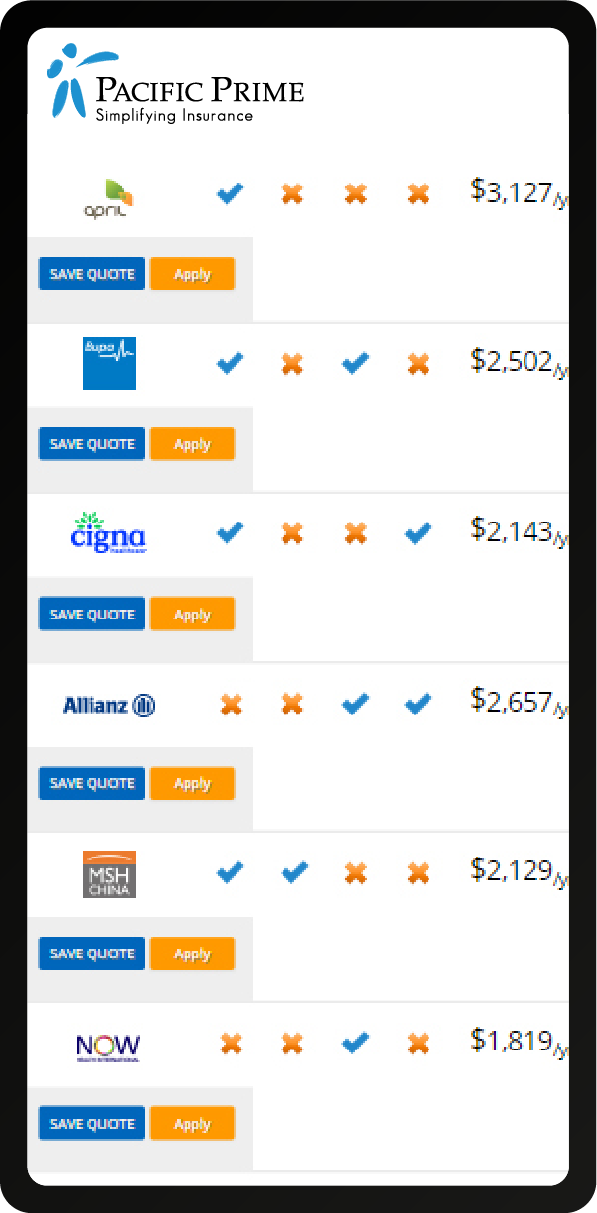
Recommended providers include:
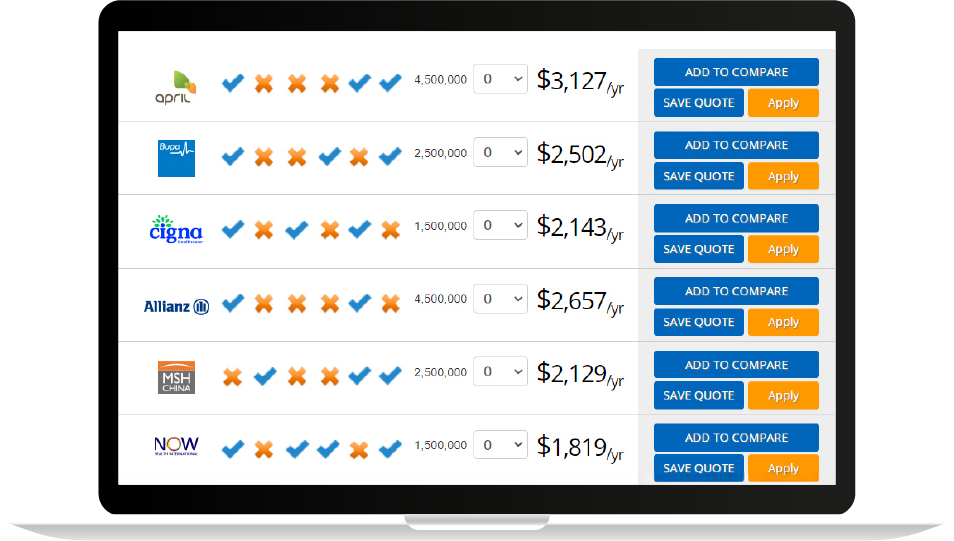
Secure The Right Insurance Plan with Pacific Prime
While working for Thai companies is restricted, remote jobs with foreign employers are legal and common. With the right visa and Thai-compliant health insurance, you can enjoy a productive and compliant stay.
For peace of mind and visa approval, choose international health insurance from a trusted provider. Pacific Prime has over 25 years of experience helping expats and digital nomads find tailored coverage, wherever they move to.
Contact us today for a free, no-obligation plan comparison to get started on your digital nomad journey.

At Pacific Prime, Grace focuses on simplifying complex concepts on international health insurance to make these topics easily accessible and understandable for our target audience. Being a Filipino born in Hong Kong, she understands the struggles of most immigrants and expats in finding the right insurance solutions while in another country. Her goal is to redefine most people’s perception of insurance, that it is an investment for one’s protection and future.
In her spare time, Grace is either at home or at Hong Kong Disneyland. She loves reading, watching movies and K-dramas, and attending dance classes.
- How to Find Digital Nomad Jobs in Thailand – October 22, 2025
- Top 12 Insurance Companies in Serbia for Expats – October 21, 2025
- Expat’s Guide: Pros and Cons of Living in Thailand – October 20, 2025



Comments