300x85-png.webp)


 Hong Kong
 Singapore
 China
China Dubai
Dubai Thailand
 United Kingdom
 Mexico
The public Medicare scheme in Australia covers citizens and permanent residents, but expats will need private health insurance to cover their healthcare in the country. Australia is known for its comprehensive healthcare system, from primary care to specialist treatment.
Discover the world’s top
health insurers.
Compare quotes with
a click of the button.
This Pacific Prime article aims to guide you through the Australian health insurance system step-by-step, giving you all the essential information about the healthcare system and how you can utilize health insurance to secure all-around care for peace of mind.
Continue reading to learn more about the Australian health insurance system, or click here to receive a free health insurance quote!
Overview of the Australian Healthcare System
The system is supported by two pillars: the public and private healthcare sectors. You could choose whether the public or private sector is better for your situation when you need medical attention.
The Public Healthcare Sector in Australia
Public healthcare in Australia comprises facilities and services governed by state and territory governments, including hospitals, community-based services, the ambulance service, and affiliated health organizations. You can access care within the system through Medicare.
The Private Healthcare Sector in Australia
Private healthcare in Australia includes privately owned hospitals, specialist medical and allied health, and pharmacies. The system is funded by a combination of government and private entities, such as private health insurance premiums, private health organizations, and more.
Understanding the Basics of Australian Health Insurance
Medicare makes up the basis of health insurance for Australian citizens and permanent residents. For expats and temporary residents, however, you will need private health insurance for any medical coverage in Australia.
To make informed decisions regarding your health insurance purchase, you will want to understand what private health insurance provides you and how it will operate when you are in the Down Under.
Public Health Insurance – Medicare in Australia
Medicare is the Australian government’s scheme to give the public access to healthcare, paid for by taxes. It enables free or subsidized healthcare services for all Australian citizens, permanent residents, and certain temporary visa holders. Medicare mainly covers several areas below:
- Treatment as a public patient in a public hospital
- 75% of the fee on the Medicare Benefits Schedule (MBS) for doctors’ services in a hospital as a private patient
- Bulk billing or partial coverage of GP and specialist treatment
- Some tests and examinations your doctor orders for you
- Reduced the cost of prescription medications under the Pharmaceutical Benefits Scheme (PBS)
It is important to note that some healthcare services and treatments are not fully covered by Medicare or private health insurance, which results in out-of-pocket expenses. These may include dental care, optical services, physiotherapy, and specialist treatment.
You are advised to check with your private health insurance provider on the coverage of these services.
Private Health Insurance in Australia
Private health insurance is an optional cover in addition to Medicare. Despite having to pay extra premiums, many Australian expats still decide to take out private health insurance to give them more healthcare options whenever they need medical attention.
The Australian government also provides incentives for people to enroll in private health insurance, including a Private health insurance rebate, an age-based discount, and a Lifetime Health Cover (LHC).
Private Health Insurance Rebate
Australians with private health insurance receive a rebate from the Australian Government to help cover the cost of their premiums. The rebate is income-tested. Please refer to the table below to calculate your rebate.
| Base Tier | Tier 1 | Tier 2 | Tier 3 | |
| Annual Income: Singles | ≤AUD $97,000 | ≤AUD $97,001 -113,000 | ≤AUD $113,001 – 151,000 | ≥ AUD $151,001 |
| Annual Income: Families | ≤AUD $194,000 | ≤AUD $194,001 – 226,000 | ≤AUD $226,001 – 302,000 | ≥AUD $302,001 |
| < Age 65 | 24.608% | 16.405% | 8.202% | 0% |
| Age 65 to 69 | 28.710% | 20.507% | 12.303% | 0% |
| Age 70+ | 32.812% | 24.608% | 16.405% | 0% |
Age-Based Discount
Private insurers offer people aged 18-29 years discounts of up to 10% on their private health insurance hospital premiums. The discount rates per age are as follows:
| Age when insured under a hospital policy offering discounts | The percentage discount that the insurer may offer |
| 18-25 | 10 |
| 26 | 8 |
| 27 | 6 |
| 28 | 4 |
| 29 | 2 |
| 30 | 0 |
Note: If you are transferring between policies or insurers, you should ask your insurer if your existing discount will continue to apply to the new policy.
Lifetime Health Cover (LHC)
Lifetime health cover is the 2% loading on top of your premium if you purchase hospital cover after the 1st of July following your 31st birthday. You are charged with loading for every year you are aged over 30 before your hospital cover purchase.
Your LHC loading stops after 10 years of continuous hospital cover.
You can use the Lifetime Health Cover calculator to see if you need to pay the LHC loading or how much it may be.
Note: Private health insurance is preferred for individuals with an annual income of more than AUD $93,001 or AUD $186,001 for families (Base tier). It is due to the fact that a Medicare Levy Surcharge has to be paid once an individual or a family hits this threshold.
Factors to Consider When Securing Comprehensive Health Insurance
To secure comprehensive health insurance to better cover your medical needs, it would be necessary for you to think through these factors: coverage and benefits, flexibility and transferability, medical network, and the benefits you get from working with an insurance broker.
Health Insurance Coverage and Benefits in Australia
As expats in Australia, there are several coverage options that you might want in your international health insurance plan, namely dental and vision, maternity, worldwide coverage, emergency evacuation coverage, and wellness and preventative care.
- Worldwide coverage: Expats may need to travel frequently or require medical treatment in another Australian city. Worldwide coverage ensures that you are protected wherever you go and can access healthcare services back home.
- Maternity coverage: For expat families planning to have children, maternity coverage is imperative for settling hospital bills for prenatal care, childbirth, postnatal care, and hospital stays
- Emergency evacuation coverage: Emergency evacuation coverage plays a vital role in the event of a serious illness or injury that requires specialized treatment not available locally. This coverage ensures you can be transported to a suitable medical facility or back home for appropriate care.
- Dental and vision coverage: Expats can choose to include dental and vision coverage to cover routine dental check-ups, cleanings, eyeglasses, and contact lenses.
- Wellness and preventative care: This is the coverage for wellness programs, preventative screenings, vaccinations, and health check-ups.
Health Insurance Plan Flexibility
The flexibility of an insurance plan can be achieved by adding deductibles, copayments, or modular options. Modular options are coverage that you can selectively add to your purchased policy for wider coverage.
Deductibles are the specific amount you must pay for your medical treatments before your insurance policy pays for the rest of your claims, according to the coverage scope and limit of the insurance plan.
Copayments are fixed out-of-pocket amounts paid by the policyholder for a covered healthcare service after the deductible has been paid. Splitting the cost of medical services between the insurance provider and the policyholder keeps your monthly medical bills in check.
Medical Network
Through the private healthcare system, foreigners with health insurance can access a wide range of medical practitioners and specialists in Australia. Nevertheless, your insurance provider’s connection determines the network of healthcare providers.
It is important that you consult your insurer and conduct research on the clinics and hospitals that are closest to you. This guarantees that your health insurance will pay your medical expenses, saving you from having to pay out-of-pocket.
Working with a Reputed Insurance Broker
By working with a reputable global-scale insurance broker like Pacific Prime, you have all the extra value-added services that you may not receive by reaching an insurance provider directly, with no additional costs.
Our team of expert insurance advisors is here to talk through your needs and give you an obligation-free comparison quote so that you know whether the plan you are considering aligns with your requirements and budget.
Frequently Asked Questions
What is the difference between Medicare and private health insurance in Australia?
Medicare is Australia’s public health insurance system, while private health insurance offers additional coverage options.
How do I compare and choose the right health insurance policy for my needs?
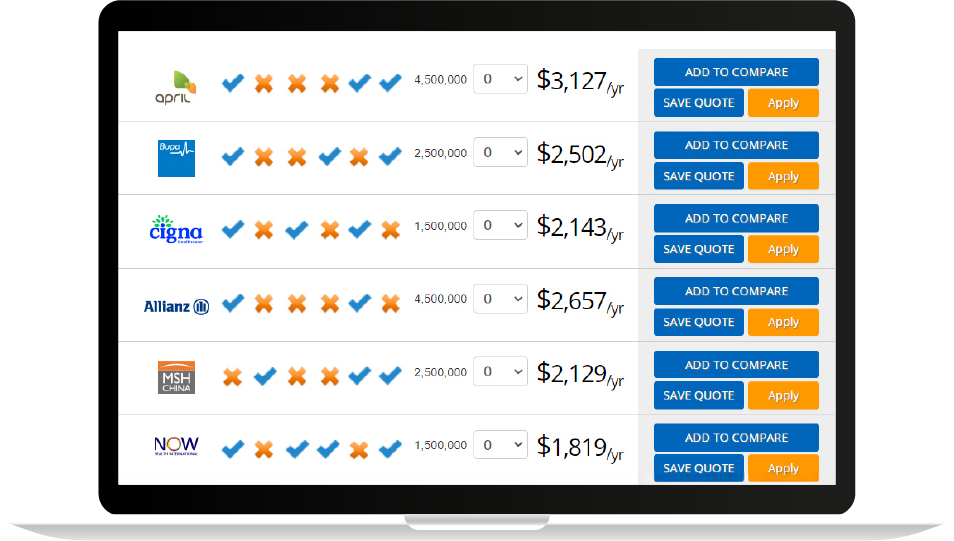
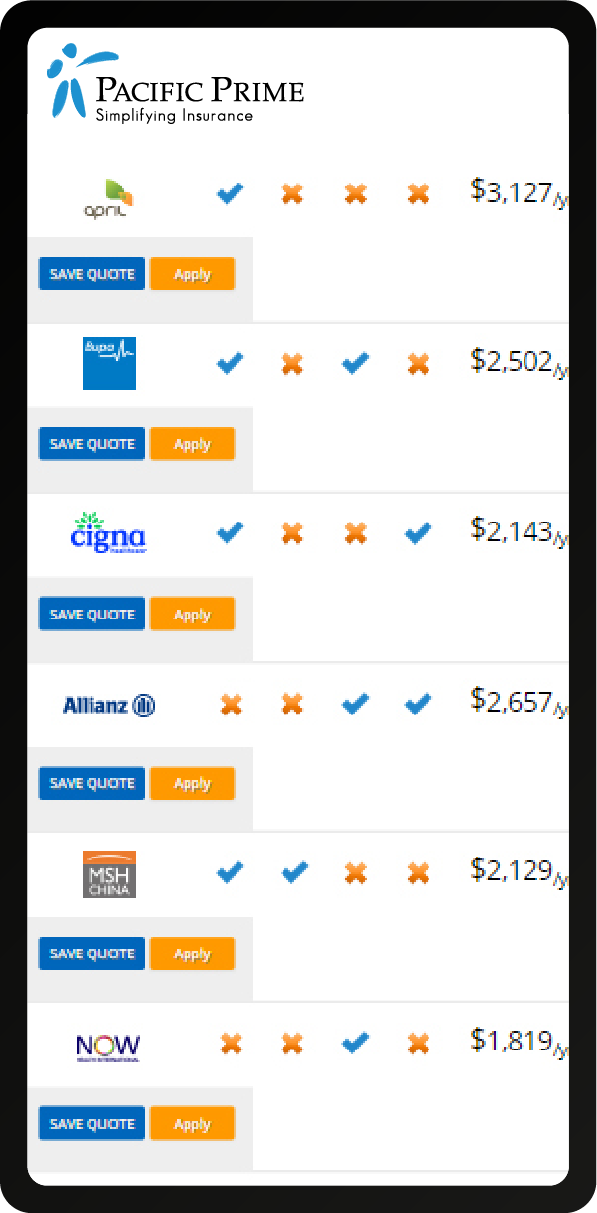
Compare policies based on coverage, cost, and customer reviews to choose the right health insurance for your needs. Pacific Prime has a wide insurance network you can rely on, an insurance quote for your medical needs and wants can be generated with their online system.
What steps do I need to take to enroll in a health insurance policy in Australia?
To enroll in health insurance, expats need to research providers, select a policy, provide necessary information, and complete the enrollment process. An experienced broker can help you complete the process under their guidance.
Conclusion
Through understanding the healthcare system in Australia, you’ll be equipped with the necessary information and knowledge to make informed decisions on whether to enroll in international health insurance.
Pacific Prime has over 20 years of experience in helping expats secure the best international health insurance for their requirements and budget. Our team of insurance specialists is trained to compare and choose a policy from globally renowned insurance providers and offer value-added services.
Contact us today for impartial advice and an obligation-free quote, and have us protect your safety during your expat journey!
- The 5 Best Travel Insurance for a Trip to Bangkok – August 22, 2025
- Navigating the Australian Health Insurance System – August 8, 2025
- How to Choose the Right International Hospitals for Expats – July 11, 2025



Comments