300x85-png.webp)


 Hong Kong
 Singapore
 China
China Dubai
Dubai Thailand
 United Kingdom
 Mexico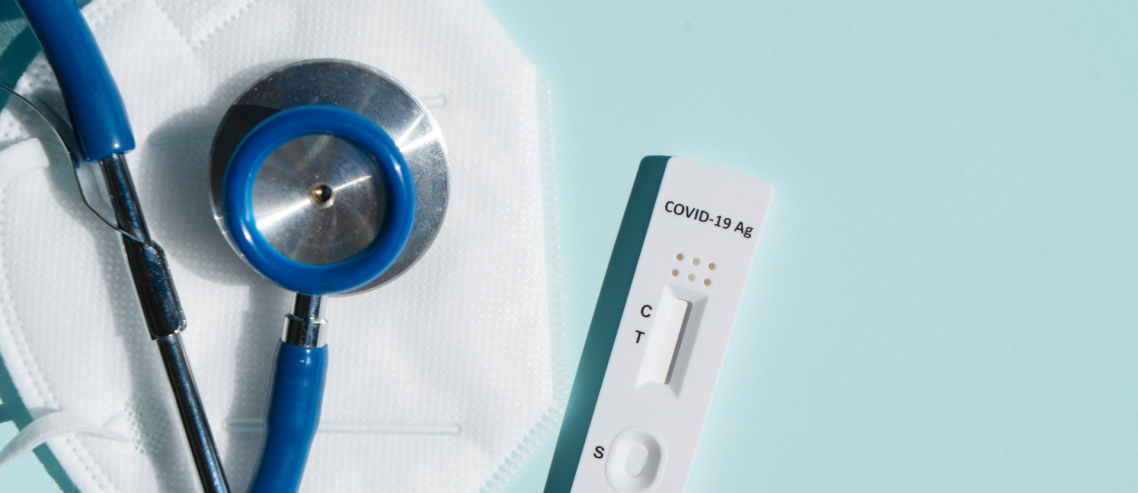
In recent years, COVID-19 has challenged the common notion that viral illnesses are less common in warm weather. The current summer is a testament to this trend, with data from the Centers for Disease Control and Prevention (CDC) showing a steady increase in COVID-19 test positivity rates and emergency room visits.
Discover the world’s top
health insurers.
Compare quotes with
a click of the button.
This surge is primarily attributed to the FLiRT variants, which can be considered offshoots of the omicron variant. These variants emerged in the spring of this year, and now represent over half of all infections in the United States.
In this article by Pacific Prime, we will dive deep into all the details on the new FLiRT variants of the COVID-19 virus, why you should be concerned about it, and what you can do if you get COVID-19 this summer.
What’s New with the FLiRT Variants?

The FLiRT variant has evolved as an offshoot of JN.1, the dominant variant of the U.S. COVID-19 cases last winter. These new variants appear highly contagious, likely due to mutations in their spike proteins that may enhance their ability to bind with human cells.
According to Dr. Robert H. Hopkins Jr., medical director of the National Foundation for Infectious Diseases, these alterations could potentially allow the virus to escape from previous immunity.
Dr. Nikhil Bhayani, assistant professor in the Department of Internal Medicine at the Burnett School of Medicine at Texas Christian University, points out that one variant, KP.3, is currently leading the pack, causing about 25% of infections.
Meanwhile, two other FLiRT variants, KP.2 and KP.1.1, account for 22.5% and 7.5% of cases respectively. Furthermore, Japanese research suggests that KP.2, which was predominant in spring, spread more easily than its predecessors and might be more adept at evading vaccine protection.
What are the Symptoms?
On a positive note, Hopkins believes the symptoms caused by FLiRT variants will not differ significantly from previous strains. Expect familiar COVID symptoms such as fever, cough, congestion, sore throat, body aches, and sometimes loss of taste and smell, though this last symptom is less common now.
The infectious period for the FLiRT variants is similar to that of JN.1 and previous omicron variants. Typically, symptoms manifest five or more days after exposure, though in some cases, they may appear sooner. Individuals can transmit the virus one to two days before experiencing symptoms and for several days after symptoms subside.
It’s worth noting that some people may have detectable live virus for up to a week following symptom onset, while others may experience a recurrence of symptoms.
With this in mind, at-home testing remains a valuable tool for determining if you pose an infection risk to others. Testing regularly can help you make informed decisions about your activities and interactions, thereby reducing the spread of the virus in communities.
Why Should You Be Worried About this New Wave of Infections?

According to experts, there had been an increase in COVID-19 infections every summer during the pandemic, which was not entirely unexpected. However, what‘s concerning is how early the summer wave is kicking off this year.
Epidemiologist Aubree Gordon states that new COVID variants can gain traction when they evolve to evade the immunity achieved through past infections and vaccinations. The current wave is likely being driven by these variants that can elude our pre-existing immunity.
Moreover, many people have not received an updated COVID-19 vaccine since it was released in September 2023, with only 22% of adults getting the latest shot. The advantageous mutations in the new FLiRT variants combined with the wane in immunity can be attributed to the rapid spread.
What You Can Do if You Get COVID This Summer

As COVID-19 evolves, knowing how to get yourself treated is crucial. The following sections cover testing, medical care, treatments, and prevention strategies for healthy individuals and high-risk groups.
Here’s what you can do if you get COVID this summer:
Get Tested at Home
If you suspect you have contracted COVID-19, it’s advisable to begin with an at-home antigen test. If your test result is negative, Hopkins recommends retesting after 24 hours, as it may take several days for the virus to become detectable in your sinuses.
Contact Your Nearest Healthcare Provider
Worried about your symptoms? We recommend you consult with a primary care physician or visit an urgent care facility for PCR tests, as they are more sensitive and can detect a higher percentage of cases.
Those at higher risk for severe diseases – including older adults, those with compromised immune systems, and people with chronic illnesses – should contact a healthcare provider as soon as they experience symptoms.
Treatment Options
Effective oral antiviral treatments such as Paxlovid and Molnupiravir are available, which can reduce both the longevity and severity of illness. However, these medications are most effective when taken within five days of the initial symptoms.
For generally healthy individuals, standard tried-and-tested methods are still effective. These include using acetaminophen or anti-inflammatory medications such as ibuprofen and naproxen to reduce fever, using nasal sprays for congestion relief, maintaining proper hydration, and getting plenty of rest.
Isolate Yourself and Get a Booster Shot
Maintaining isolation for five days or until symptoms improve is crucial. If it’s necessary to go out, the CDC advises wearing a mask until the 11th day after symptom onset.
While these new variants may be getting better at evading our immune defenses, getting an updated booster shot and wearing a high-quality mask in crowded areas is still the best way to maintain your health during the summer season.
Fortunately, while case numbers are rising, there hasn’t been a corresponding increase in hospitalizations. Hopkins notes there’s no evidence these new variants cause more severe illnesses than what we’ve already seen before.
Let Us Help You Stay Safe this Summer
As a leading international health insurance broker, Pacific Prime understands the importance of staying informed and protected in the face of evolving health challenges like COVID-19. With over 20 years of experience, we specialize in matching both expats and local citizens with international health insurance plans that suit their unique needs and budgets.
In these uncertain times, having comprehensive health coverage is more crucial than ever. Whether you’re an expat living overseas or planning a vacation abroad, our team of specialists can help you tailor the right insurance plan.
Be sure to contact us if you have any further questions, or get started by getting a free quote here.

After obtaining his Bachelor’s Degree in Social Sciences, International Relations from Mahidol University International College, Veerabhatr has forged his career as a content writer in the travel, lifestyle, and real estate industries, writing in both English and Thai. He now continues to hone his skills as a writer at Pacific Prime, looking to engage and educate the audience by simplifying insurance.
Writer by day, and a DJ by night, Veerabhatr is a staunch music lover, and listens to all spectrums of genres available. He also loves to drink beer (moderately), eat all types of food, go to the beach, and learn about different cultures across the globe. He is also a die-hard fan of football and motorsports.
- How Much Salary Do You Need to Live Comfortably in Thailand? – October 22, 2025
- Guide on Moving to Thailand from Canada as An Expat – October 20, 2025
- Top Health Insurance in Thailand for Russian Expats: Options and Benefits – October 16, 2025



Comments