300x85-png.webp)


 Hong Kong
 Singapore
 China
China Dubai
Dubai Thailand
 United Kingdom
 Mexico
Traveling abroad can be an exciting and enriching experience, but protecting your health should be a top priority. Vaccines such as those for influenza, typhoid fever, hepatitis A and B, and yellow fever are often essential, depending on your destination and planned activities.
Discover the world’s top
health insurers.
Compare quotes with
a click of the button.
In this Pacific Prime article, we will look at the vaccines you need before traveling abroad and also offer some general health advice to make sure your trip is a smooth and pleasurable experience.

Vaccines to Get Before Boarding the Plane
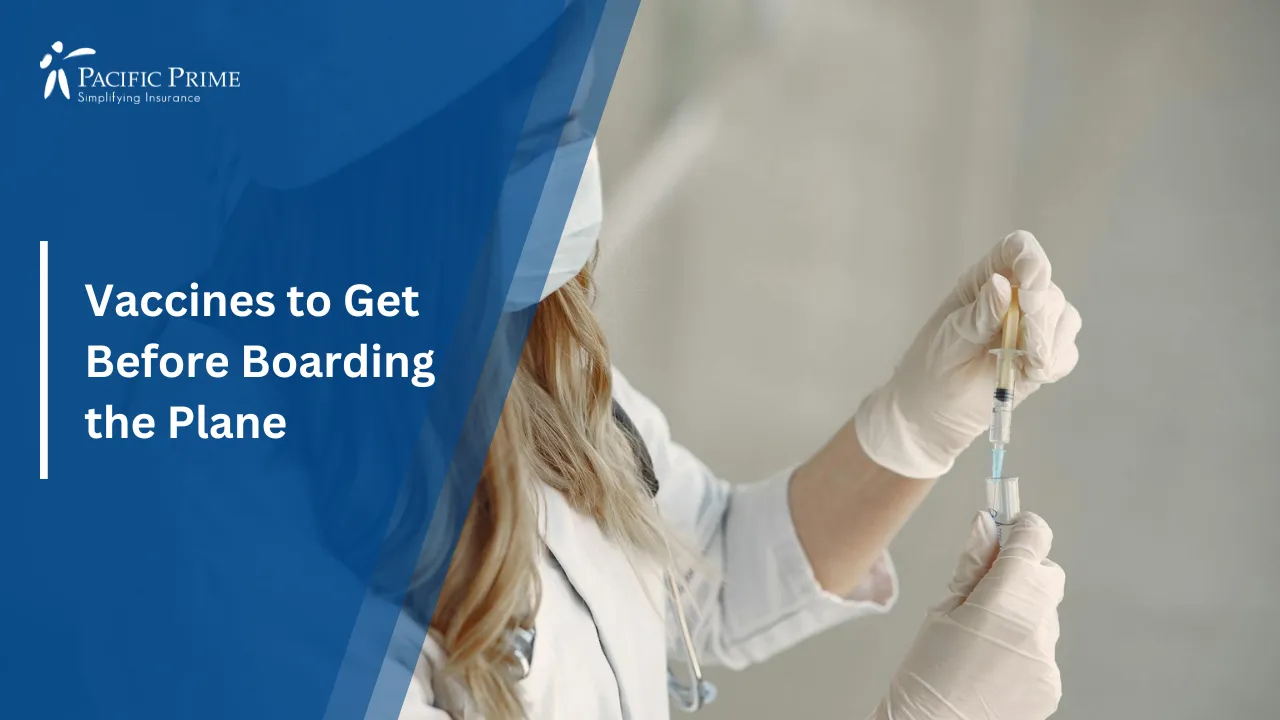
Vaccines for influenza, typhoid fever, hepatitis A and B, and Japanese encephalitis are among the types most often recommended by doctors for people planning to travel abroad. Still, they are by no means all the vaccines that you should consider receiving as you prepare for your upcoming trip.
While what vaccines you need depends to a large extent on where you are going and the common diseases and infections at the time, the following vaccines are generally recommended for consideration:
Influenza
The influenza vaccine is crucial in preventing the flu and its potential complications. Each year, two flu vaccines are available: one for the Northern Hemisphere and one for the Southern Hemisphere, as the strains can vary.
This vaccine is recommended for individuals of all ages, particularly those at higher risk such as young children, the elderly, and those with underlying health conditions.
Yellow Fever
This vaccine is required for travelers visiting areas where yellow fever is endemic, particularly in parts of Africa and South America. It is essential to check if your destination requires proof of vaccination before entry.
Typhoid
Typhoid fever is a bacterial infection transmitted through contaminated food and water. It is prevalent in many developing countries. This vaccine is recommended for travelers visiting regions with poor sanitation and hygiene standards.
Hepatitis A
Hepatitis A is a viral infection that affects the liver and is typically transmitted through contaminated food and water. It is prevalent in many countries worldwide, especially in parts of Asia, Africa, and Central and South America.
Hepatitis B
Hepatitis B is a viral infection transmitted through contact with infected blood or body fluids. It is prevalent in many regions, including Asia, Africa, and parts of the Caribbean. The vaccine is recommended for travelers engaging in activities that may expose them to blood or body fluids.
Tetanus, Diphtheria, and Pertussis
The tetanus, diphtheria, and pertussis (TDAP) vaccine is typically administered to children in their early years, followed by booster shots every 10 years. It is crucial to stay up to date with the TDAP vaccine to ensure continuous immunity and prevent potentially life-threatening complications.
Listed below are the respective descriptions for each:
- Tetanus: Caused by a toxin from Clostridium tetani entering through wounds, leading to muscle stiffness and lockjaw; vaccination with a booster every 10 years is essential for continuous immunity.
- Diphtheria: Caused by Corynebacterium diphtheriae, this disease releases toxins that damage the respiratory system and other tissues; vaccination is crucial to prevent severe complications.
- Pertussis (Whooping Cough): A highly contagious respiratory infection that triggers severe coughing spells, particularly dangerous for infants; regular vaccination reduces severity and limits transmission.
Rabies
Rabies is caused by a virus transmitted through the bite or scratch of an infected animal. The rabies vaccine is recommended for individuals at risk of exposure to the virus, such as travelers to rabies-endemic regions and those working with animals.
Japanese Encephalitis
Japanese encephalitis is a virus spread by mosquito bites. The vaccine is recommended for travelers staying long-term or engaging in outdoor activities, particularly in regions where the disease is common or in rural agricultural areas. It’s essential for those at higher risk to stay protected.
Measles, Mumps, and Rubella (MMR)
The MMR vaccine is essential for travelers who have not received the vaccine during childhood. Measles outbreaks can occur in various countries, and the MMR vaccine provides protection against all three diseases.
Malaria
While there is no vaccine for malaria, which is a mosquito-borne disease caused by a parasite, travelers visiting regions where malaria is endemic should take antimalarial medication as a preventive measure.
When To Visit Your Doctor for Travel Vaccination
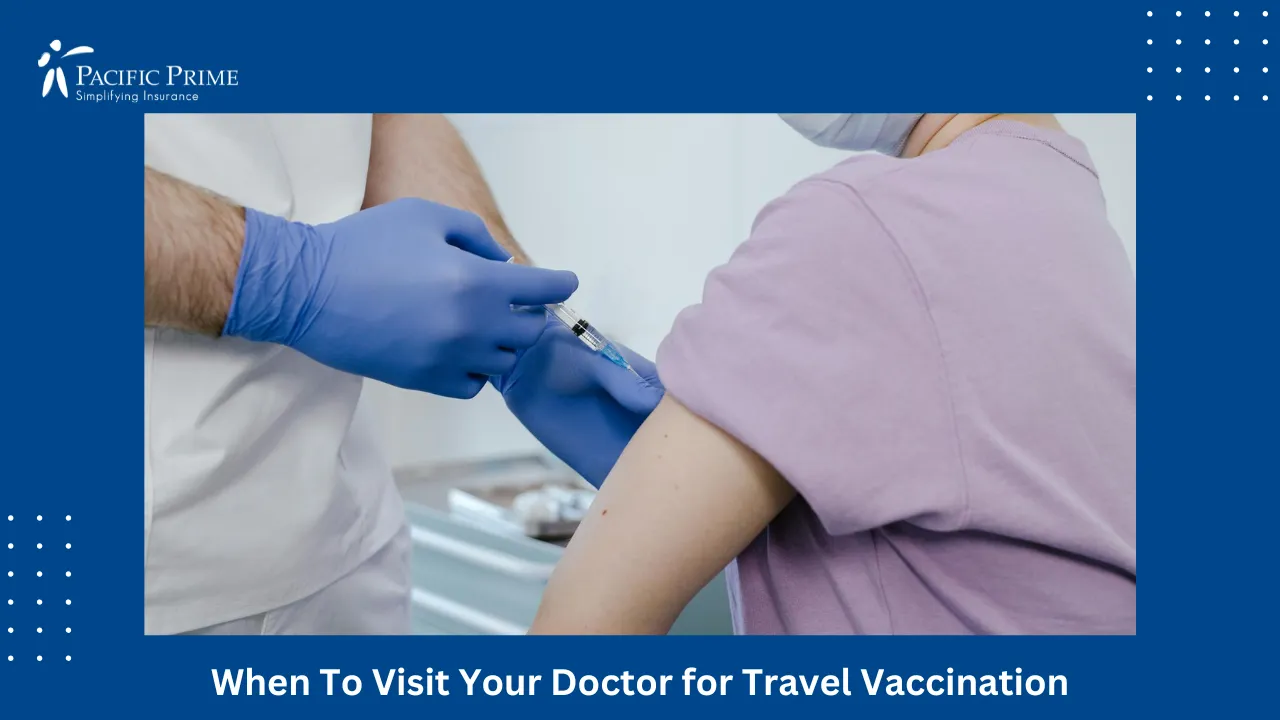
The specific vaccines you need may vary depending on your destination, the duration of your trip, and your personal health history. You should arrange to see your doctor at least 6 to 8 weeks before your trip so that your body will have plenty of time to develop immunity.
If available, disclose your vaccination history to the doctor, and make sure your doctor is aware of what medications you are on, your medical history and overall health condition, and your travel plans. Only a doctor can decide what vaccines are suitable for your situation.
Listed below are some tips to help you plan ahead for your journey:
- Plan Ahead: Schedule your doctor’s appointment at least 6 to 8 weeks before your trip to allow time for immunity to develop.
- Share Your History: Provide a complete vaccination history along with current medications to help tailor recommendations.
- Discuss Your Itinerary: Inform your doctor about your travel destination, duration, and planned activities to assess specific vaccine needs.
- Review Health Conditions: Share any existing health conditions or allergies that might affect vaccine suitability.
- Bring Documentation: Carry records of past immunizations for your doctor’s review to ensure accurate vaccine planning.
Other Health Precautions to Take Before and During Your Trip
In addition to receiving the necessary vaccines, there are other important health precautions to consider before and during your trip like food and water safety, preventing insect bites, and more:
- Personal Hygiene: Practice good hygiene habits, such as frequent handwashing with soap and water or using hand sanitizers when soap is not available. Avoiding close contact with sick individuals and maintaining respiratory etiquette can help reduce the risk of contracting or spreading diseases.
- Food and Water Safety: Be cautious about the food and water you consume while traveling. Drink bottled water or use water purification methods if tap water is not safe. Avoid eating raw or undercooked food, street food, and fruits or vegetables that may have been washed with contaminated water.
- Insect Bite Prevention: Protect yourself from insect bites, as they can transmit diseases such as malaria, dengue fever, and Zika virus. Use insect repellents, wear long sleeves and pants, and consider sleeping under mosquito nets, especially in areas where mosquito-borne diseases are prevalent.
- Get Travel Insurance: Secure comprehensive travel insurance from Pacific Prime to cover unexpected medical emergencies, trip cancellations, or other travel-related issues. This ensures you have access to quality care and financial protection throughout your journey.
- Prepare Your Medications: Ensure you pack all necessary prescription and over-the-counter medications, including a basic first aid kit. Check with your doctor for any travel-specific prescriptions and keep extra supplies in case of delays.
Stay Protected While Traveling Abroad with Pacific Prime
While proper vaccination and taking appropriate measures against infections are crucial for building up your immunity and preventing diseases and infections, the right insurance will significantly boost your ability to deal with adversity should it arise while you are away from home.
With 20+ years of experience in insurance, Pacific Prime can help you find the plan that meets your needs and fits your budget, whether it’s travel, expat health, international health, or others. You can rest assured that the plans we recommend will provide the best value for money.
And the cherry on the cake? If you secure insurance through us, you get our impartial advice and comprehensive support without having to pay extra!
So, contact us and get a FREE, no-obligation plan comparison today!

Frequently Asked Questions
What vaccines should I consider before my international trip?
You should consider vaccines for influenza, yellow fever, typhoid, hepatitis A and B, Tdap (tetanus, diphtheria, pertussis), rabies, Japanese encephalitis, and MMR. These vaccinations help protect against diseases prevalent in your destination and ensure a safer journey.
When is the best time to get these travel vaccinations?
It’s recommended to visit your doctor 6 to 8 weeks before your trip. This allows sufficient time for your body to develop immunity, and your doctor can review your vaccination history, medications, and overall health to tailor the best protection for your travel plans.
Besides vaccines, what other health precautions should I take before and during my trip?
In addition to vaccines, practice good personal hygiene, ensure food and water safety, and take measures to prevent insect bites. Also, prepare your medications and secure comprehensive travel insurance from Pacific Prime to cover unexpected emergencies.
What factors determine which travel vaccines I need?
The necessary vaccines depend on your destination’s endemic diseases, travel duration, seasonal outbreaks, and personal health history. Health authorities like the CDC and WHO provide guidelines, so consult your doctor well in advance to tailor your vaccination plan.
How does travel insurance complement getting vaccinated before traveling?
While vaccines protect you from specific diseases, travel insurance covers unexpected medical emergencies, trip cancellations, and other travel-related issues. Combining both ensures you’re protected against health risks and unforeseen events, providing comprehensive peace of mind on your journey.

Since joining Pacific Prime, Martin has become even more aware of the gap between the true value of insurance products and most people’s appreciation of it, and developed a passion for demystifying and simplifying matters, so that more people get the protection they need at a cost they can easily afford.
In his free time, Martin attends concerts of various genres, and plays the violin with piano accompaniment he pre-recorded himself or played live by his niece.
- Bali Visa on Arrival: Essential Guide for Travelers – October 17, 2025
- Cost of Living in Costa Rica: Expat Guide – October 15, 2025
- Top 11 Insurance Companies in Curaçao for Expats – October 8, 2025



Comments