300x85-png.webp)


 Hong Kong
 Singapore
 China
China Dubai
Dubai Thailand
 United Kingdom
 Mexico
While you may have heard concerns about safety in Argentina, it’s important to consider the broader economic and political context. This country is not defined by violent drug cartels or tourists facing threats on the beach.
Discover the world’s top
health insurers.
Compare quotes with
a click of the button.
In fact, many locals are struggling, with nearly 50% of the population living in poverty, and Argentina is one of three Latin American countries listed among the 50 poorest globally, alongside Haiti and Bolivia.
So, buckle up, grab a travel plan, and be prepared to encounter pickpocketing, petty theft, and the usual grab-and-run tactics while in Argentina. But, armed with the knowledge you will gain from this Pacific Prime article you can make sure your stay is stress-free.
Ensuring the Safety of Belongings When Traveling in Argentina
When traveling or staying in Argentina as an expat, it’s essential to be aware of common safety concerns, particularly in urban areas like Buenos Aires, Córdoba, and Rosario. Petty theft, such as bag snatching and phone theft, is most common, especially in crowded areas.
The key hotspots for these activities include:
- Buenos Aires: The capital city experiences petty crime, especially in tourist-heavy neighborhoods like Palermo, San Telmo, and La Boca. La Boca is safe during the day but can be risky after dark. Be mindful in restaurants and cafes where thieves might grab items left on tables or use distraction techniques.
- Córdoba: As Argentina’s second-largest city, it is generally safe, but visitors should still remain vigilant in busy areas, particularly around the university district.
- Rosario: This city has a higher rate of violent crime, particularly related to drug trafficking, so it’s less frequented by tourists.
Some safety tips to protect your belongings include:
- Do Not Overcarry: Avoid carrying excessive amounts of cash, as Argentina’s cash-based economy often requires travelers to handle a lot of pesos. Distribute cash in different places (e.g., pockets, money belts) to reduce risks.
- Be Cautious in Crowded Areas: Be cautious in transit hubs and crowded spaces where snatch-and-run crimes occur.
- Use Ride Hailing Apps: Use ride-hailing apps like Uber after dark, especially when leaving nightclubs or bars.
Safety in National Parks of Argentina
Argentina’s national parks offer incredible natural beauty, but visiting these remote areas requires extra caution due to limited infrastructure and cell service. You must prepare by researching emergency numbers for each region and arranging logistics in advance, especially transportation.
- For instance, in Ushuaia National Park, it’s common to pre-arrange a pick-up after a hike, as cell service is often unavailable in remote areas.
Additionally, Argentina’s national parks are susceptible to extreme weather and environmental hazards. Mudslides, forest fires, and encounters with wildlife such as pumas can pose risks. Popular tourist destinations such as Los Cardones National Park near Salta and El Chaltén have unique challenges.
Before visiting, always consult the national weather service to be prepared for changing weather conditions, such as wildfires during the summer months or snow-related hazards in the Andes.
Listed below are some essential safety tips when venturing into Argentinian national parks:
- Bring essential supplies: Always carry enough water, sun protection, and a first-aid kit, especially in remote areas with no nearby medical services.
- Pre-arrange transportation: In remote parks with limited cell service, organize your transportation in advance and confirm times with local operators.
- Stay informed on weather conditions: Check the national weather service before your visit to be aware of any potential natural disasters, such as forest fires or mudslides.
- Obtain necessary permits: Some parks, especially those in the Andes, may require permits for certain trails or activities like camping.
- Wildlife awareness: If you encounter a puma, remain calm and try to appear larger by raising your arms. Slowly back away, keeping the animal in sight.
- Forest fire precautions: During late summer, be cautious when visiting parks in fire-prone areas like Córdoba and Bariloche. Avoid open flames and be aware of evacuation routes.
- Pack extra batteries or a power bank: As phone service is limited, ensure that you have adequate power for any emergency devices, such as GPS trackers or satellite phones.
- Inform someone of your itinerary: Let a friend, family member, or local guide know your planned route and estimated return time in case of an emergency.
Travel Safety Tips for Women and LGBTQIA+ Travelers in Argentina
Traveling to Argentina can be an enriching experience, especially for women and LGBTQIA+ travelers. While the country has made significant progress in safety and inclusivity, it’s essential to stay informed about specific precautions to ensure a secure journey.
From addressing street harassment in urban areas to navigating the vibrant LGBTQIA+ scene in Buenos Aires, understanding the local context and available resources can enhance your travel experience.
Travel Safety for Female Travelers
Argentina has made strides in addressing street harassment, particularly in urban areas like Buenos Aires. The government has launched several public campaigns, and an SMS hotline (22676, “ACOSO”) allows people to report street harassment incidents.
Buenos Aires also features a special women’s police department to handle cases of gender violence. The emergency hotline for women is 144, and it’s a good idea to have this number saved on WhatsApp for easy access.
Some safety tips for women traveling in Argentina include:
- Report harassment: Use the ACOSO hotline for street harassment, and save emergency numbers.
- Stay in busy areas: Avoid walking alone in dark or isolated places, especially at night.
- Keep personal belongings secure: Use cross-body bags or backpacks to deter petty theft.
Travel Safety for LGBTQIA+ Travelers
Argentina is generally progressive regarding LGBTQIA+ rights. Buenos Aires is one of the most LGBTQIA+-friendly cities in Latin America, and the annual Pride Parade is held in November. However, like in many places, caution is still advised, especially when traveling outside major urban areas.
While LGBTQIA+ travelers are typically safe in Buenos Aires and other major cities, more conservative attitudes may be encountered in rural or northern regions. When booking accommodations, it is recommended to clarify room arrangements if traveling with a same-sex partner.
Some safety tips for LGBTQIA+ holiday goers traveling in Argentina include:
- Stay in LGBTQIA+ friendly areas: Buenos Aires is a welcoming destination for LGBTQIA+ visitors. Opt for hotels and venues known to be supportive.
- Avoid rural prejudice: Be mindful of local customs and attitudes in more conservative or rural regions.
- Attend Pride events with caution: While Buenos Aires has a vibrant Pride Month, it’s a popular spot for pickpocketing, so take extra precautions with your valuables.
Locations to Avoid in Buenos Aires and Safety Tips
When exploring Buenos Aires, understanding the safety landscape is crucial for a worry-free experience. While the city is generally safe for tourists, certain neighborhoods are more susceptible to petty crime and pickpocketing, particularly in busy areas frequented by visitors.
This section highlights specific locations to approach with caution, as well as essential safety tips to help you navigate the city confidently.
Neighborhoods to Avoid
Buenos Aires is generally a safe city for tourists, but there are some neighborhoods that are more prone to petty crime and pickpocketing, especially in areas popular with visitors. Below are neighborhoods where extra caution is advised:
- Palermo: A trendy area known for nightlife, but the crowds and distracted tourists make it a hotspot for pickpockets, especially in bars and restaurants.
- San Telmo/Montserrat: Famous for its historical vibe and markets, San Telmo has a mix of bustling streets and quieter alleys, where pickpockets often operate.
- La Boca: La Boca, particularly the famous street of El Caminito, is a popular tourist destination for its colorful houses. However, it’s unsafe to stray from the main tourist area, especially after dark. It’s advised not to visit this area during the night, as gang activity and robberies are common in the surrounding streets.
- Puerto Madero: A modern neighborhood with upscale restaurants and luxury apartments, Puerto Madero is generally safe during the day. However, like many areas in Buenos Aires, it can be riskier at night.
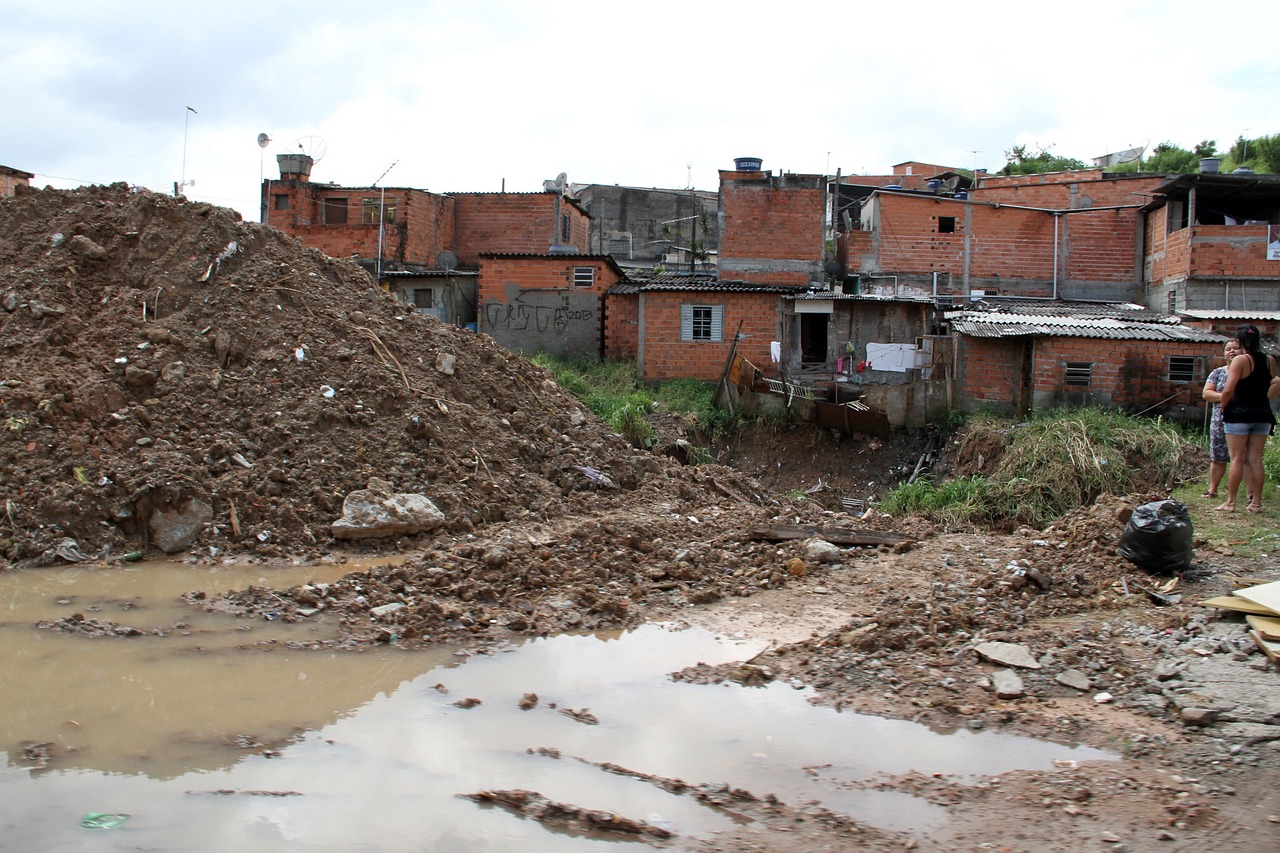
- Villa 31: is located near Retiro, a key transportation hub, and many travelers pass through this area without knowing the proximity to the slum.
- Villa Lugano and Villa Soldati: are on the outskirts of Buenos Aires, and both are known for high crime rates.
| Villas (Slums): In Buenos Aires, there are several shantytowns, or “villas,” that are best avoided due to higher rates of crime and gang activity. These areas are sometimes located very close to upscale neighborhoods, so it’s important to know where they are. For example: |
Crime Rate Statistics
Understanding the crime rate statistics in Buenos Aires is essential for any traveler looking to explore the city safely. Although Buenos Aires has seen improvements in safety over the years, certain areas still present challenges, particularly regarding petty crime.
While Buenos Aires has become safer in recent years, it still faces challenges with crime, especially in certain areas:
- Pickpocketing and Petty Crime: These are the most common issues for tourists, especially in crowded places. Buenos Aires has a crime rate of around 50.72 on a scale of 100, with theft being the primary issue for visitors.
- Violent Crime: Though violent crime against tourists is rare, some areas like La Boca and Villa Lugano have been associated with higher levels of gang activity. Argentina’s overall crime index is 58.56, with Buenos Aires having a slightly higher rate due to its size and population.
Tips for Visiting Risky Areas
When visiting potentially risky areas in Buenos Aires, being proactive about safety can greatly enhance your experience. This section provides essential tips for navigating neighborhoods like La Boca and Villa Lugano, where caution is advised.
From visiting during daylight hours and utilizing trusted transportation options to avoiding flashy items and staying aware of your surroundings, these guidelines are designed to help you minimize risks. By taking these precautions, you can explore the city’s vibrant culture with greater confidence and peace of mind.
- Daytime Visits Only: If you want to visit areas like La Boca, do so during daylight hours and stick to the main tourist streets, such as El Caminito.
- Hire a Guide: For areas like La Boca, consider booking a tour with a local guide who knows the neighborhood well and can keep you safe.
- Take Transportation: Always use Uber or a trusted taxi service to travel to and from areas like La Boca or Villa Lugano. Avoid walking alone, especially at night.
- Avoid Flashy Items: Don’t display expensive jewelry, watches, or electronics. Keep your phone out of sight when not in use.
- Use Secure Bags: Wear backpacks on the front, and avoid carrying large bags or anything that could easily be snatched.
- Stay Aware: Always be aware of your surroundings and avoid looking like a distracted tourist, which can make you a target.
Conclusion
In conclusion, staying safe while traveling in Argentina requires awareness and preparation. By understanding the local context, being mindful of your surroundings, and following practical safety tips, you can confidently explore this vibrant country.
As an experienced international health insurance broker, Pacific Prime has helped both local citizens, travelers, and expats seek out suitable health insurance and travel plans that align with their comfortable budget range and unique healthcare priorities.
Whether you’re an expat in Argentina or a local citizen yourself, we can go the extra mile by offering completely impartial advice at no additional cost. If you have any further questions, please don’t hesitate to get in touch with us and get a free quote for plan comparisons.
Frequently Asked Questions
Is Argentina safe for tourists?
Argentina is generally safe for tourists, particularly in major cities and tourist areas. However, petty crime, such as pickpocketing and bag snatching, can be common, especially in crowded places like Buenos Aires.
What are the safety tips for visiting national parks in Argentina?
When visiting Argentina’s national parks, such as Ushuaia and El Chaltén, it is essential to be well-prepared. Key safety tips include:
- Always carry enough water, sun protection, and a first-aid kit.
- Pre-arrange transportation, as cell service is often unavailable in remote areas.
- Stay informed about the weather conditions and natural hazards like mudslides or forest fires.
- If encountering wildlife like pumas, remain calm and back away slowly. By following these tips, you can safely enjoy the natural beauty of Argentina’s parks.
How can I stay safe as a solo female traveler in Argentina?
Solo female travelers can have a safe experience in Argentina by following a few basic precautions:
- Avoid walking alone in dark or isolated areas, especially at night.
- Use the ACOSO SMS hotline (22676) to report street harassment, and save the emergency number 144 for gender violence incidents.
- Keep personal belongings secure by using cross-body bags or backpacks, especially in busy areas. Argentina has made significant strides in improving safety for women, particularly in cities like Buenos Aires.

Upon graduating from Mahidol University International College’s International Relations program, he spent his career in marketing and business development, working for an international subcontractor, a marketing research firm, an international news agency, a software development company, and a creative agency. His journey now continues at Pacific Prime, where he hopes to make an impact by simplifying insurance and writing a gargantuan amount of SEO articles to draw in billions of leads.
In his free time, Piyanat is an avid martial artist and musician, spending most of his time at boxing gyms in Nakhon Pathom and music studios with his friends in the music industry.
- Chiang Mai Travel Insurance: A Comparison Of The Top Providers – August 22, 2025
- Last-Minute Travel Insurance: How to Get Covered After Departure – August 18, 2025
- Childbirth Coverage in Singapore: Maternity Health Insurance Explained – August 18, 2025



Comments