300x85-png.webp)


 Hong Kong
 Singapore
 China
China Dubai
Dubai Thailand
 United Kingdom
 Mexico
Pregnant expats can keep themselves safe and comfortable while traveling by following tips like choosing the right destination, consulting with their healthcare providers first, and more. Planning ahead with these tips in mind can help expats better enjoy their next global adventure.
Discover the world’s top
health insurers.
Compare quotes with
a click of the button.
Are you a global traveler who is currently expecting a baby? Do you want to know more about how you can continue your traveling while staying safe and comfortable? This guide from Pacific Prime will answer all your questions, as well as share valuable advice.
We will discuss the key tips for expat maternity travel and the potential risks of traveling while pregnant. We will also share helpful signs that may mean you need to seek medical help immediately on your travels, in which case maternity insurance can be a lifesaver.
Keep reading to learn all about expat maternity travel!
Key Tips for Expat Maternity Travel
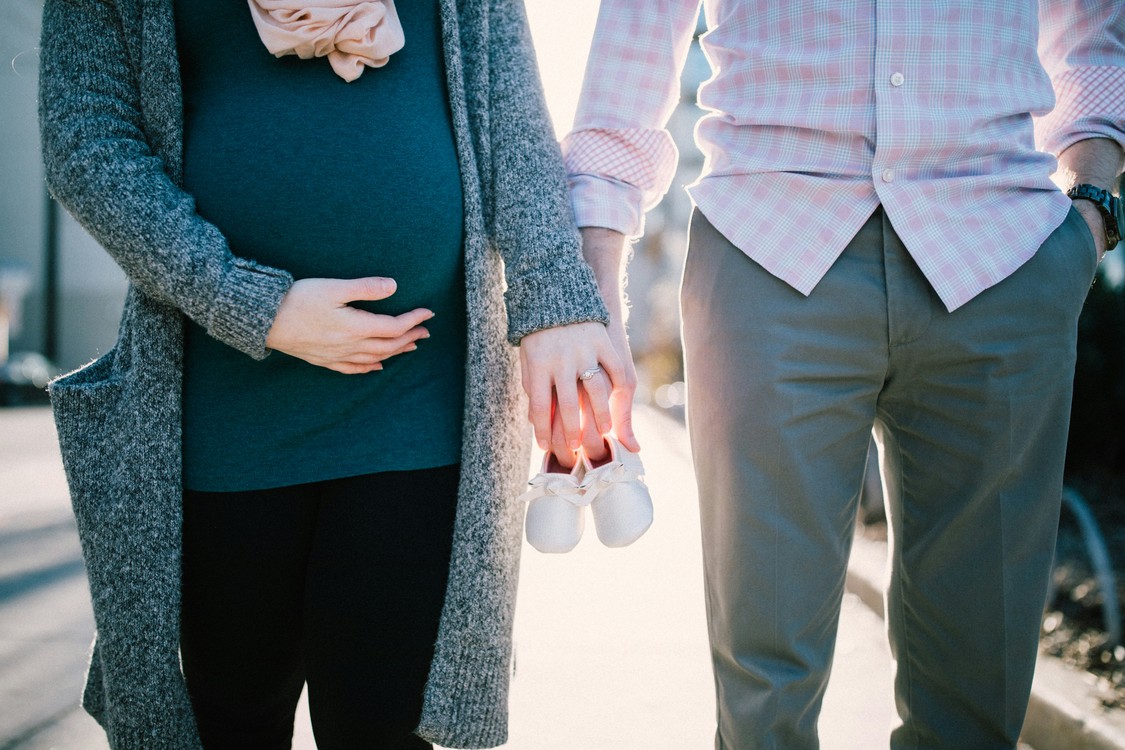
Some key tips for expat maternity travel include researching healthcare options for your destination, traveling between 14 to 25 weeks, consulting your healthcare provider before you go, and packing the essentials for your comfort and safety during your travel.
1. Researching Healthcare Options for Your Destination
Before you travel, do your due diligence and research all the available healthcare facilities in your chosen country. You shouldn’t travel to any country while pregnant that doesn’t have adequate healthcare access in case a serious health problem or injury arises.
Some countries may have rural areas with little access to proper healthcare, which you may want to avoid while pregnant. Additionally, you may want to see if the country you are visiting has private healthcare facilities, which can be accessed easily with international health insurance.
As an added bonus of having international health insurance, many providers offer 24/7 support through member service lines that can help connect you with healthcare providers in your area. This way, you can find healthcare no matter where you go.
2. Traveling Between 14 to 25 Weeks
Most doctors and experts advise that the safest time to travel for pregnant women is between 14 to 25 weeks. Traveling earlier or later than this timeframe increases your risk of complications. The first trimester (1 to 12 weeks) has an increased risk of miscarriage, so it is advised not to travel.
During the third trimester (25 to 40 weeks), it is recommended that you stay within a close distance of your home and healthcare provider in case of any potentially serious problems that could arise, such as preeclampsia or preterm labor.
Additionally, many airlines will not allow women past 36 weeks to fly because of their increased risk of going into labor at any time.
3. Consult Your Doctor Before You Go
If you are traveling internationally, it is especially important to consult your doctor before you go, as they will be able to advise you if it is safe. If your pregnancy is considered “low-risk,” your doctor will likely allow you to travel. But if you are “high-risk,” this may not be the case.
“High-risk” is a term used for pregnancies that have a higher-than-typical chance of experiencing problems. This can be related to health issues from the mother or the baby, with some common high-risk factors being diabetes, heart disease, fetal growth restriction, and more.
Your healthcare provider can also give you a certificate declaring you safe to travel that you can carry with you. This certification can be useful in different situations, like if an airline assumes you are over 36 weeks along and won’t allow you to fly with them.
4. Packing the Essentials
Packing essentials like decompression socks, natural anti-nausea remedies, and comfortable clothing and shoes can help make your maternity travel a breeze. Pregnant women are more at risk for blood clots, especially when flying, so decompression socks or hoses are essential.
Morning sickness is a common symptom women experience during pregnancy. Symptoms include nausea and vomiting. This nausea can be worsened by air or car travel. Anti-nausea natural remedies like ginger gummies or crackers and acupressure bands can help fight back these irritating symptoms.
Potential Risks of Traveling as a Pregnant Expat

Some potential risks of traveling while pregnant include deep vein thrombosis, traveler’s diarrhea, and not having access to adequate healthcare. Understanding these risks can help you plan to avoid them as you travel.
- Deep Vein Thrombosis (DVT): Pregnant women are more likely to develop DVT (also known as blood clots), which can be caused by sitting in one spot for a long time as blood pools in your legs. Airline travel with long flights can increase your risks of DVT. Wearing compression stockings helps decrease this risk.
- Traveler’s Diarrhea: Traveler’s diarrhea can be caused by contaminated food and drink, and it occurs more often in lower-income destinations. Pregnant women can’t take medication like Pepto Bismol, so if they experience an upset stomach, they will have limited options to treat it. Stay safe by drinking bottled water.
- Not Having Access to Adequate Healthcare: Traveling to countries or regions with limited access to quality healthcare can limit your chances of getting the help you need in case of an emergency. This risk can be mitigated by only choosing to visit areas with nearby quality hospitals or clinics.
Additional Safety Maternity Travel Tips
Some other safety tips that can help you travel safely as a pregnant expat include being aware of any possible outbreaks of infectious disease in your chosen destination and avoiding extreme sports and activities. By following these tips you can stay safe while traveling abroad.
Each country will have health risks or outbreaks, with many tropical countries having more possible outbreaks due to mosquitos or other pests. Schistosomiasis and the Zika virus are some common concerns of travelers caused by parasitic worms and mosquitos.
Protecting yourself against these pests can look like avoiding swimming in freshwater lakes or rivers that could host the worms that can cause schistosomiasis and avoiding areas with any Zika outbreaks. Zika can also be transmitted sexually, so avoid intercourse with those who have been in a high-risk area.
Extreme sports that are common in travel, such as water and snow skiing, high-altitude hiking, and scuba diving, should be avoided while pregnant. These activities can pose a risk to the health of you and your baby during pregnancy.
Managing Pregnancy Symptoms while Traveling
Pregnancy symptoms like fatigue, nausea, and swelling can occur more frequently while traveling, so it’s important that you rest often and employ other tricks to make your travel as comfortable as possible. We will share some of our best tips for managing these symptoms below.
- Fatigue: Rest as often as you can while traveling, giving yourself plenty of breaks between activities. Pregnancy can be exhausting, and walking on your feet all day sightseeing will only add to this exhaustion! Make sure to take frequent breaks.
- Nausea: Packing essentials like acupressure bands and other anti-nausea remedies can help fight back the nausea that accompanies air and car travel. Staying hydrated and snacking every so often can also help keep the nausea at bay.
- Swelling: Leg and foot swelling is a common pregnancy symptom, which can be managed by compression stockings, hydration, and not sitting in one spot for too long. If you’re on a long flight, try to stand up every so often and walk down the aisle.
When to Seek Medical Help

Pregnant expats should seek urgent medical attention if they experience serious medical symptoms like unusual leg swelling, unusual shortness of breath, contractions, and more. These signs can point to serious health issues that will need medical attention right away.
A list of other signs and symptoms to look out for includes:
- Contractions or signs of premature labor
- Unusual leg swelling and pain in calf or thigh pointing to a blood clot
- Unusual shortness of breath
- Dehydration
- Severe pelvic pain
- Severe abdominal pain
- Severe headaches and vision changes
- Vaginal bleeding
- Prelabor rupture of the membranes
If you experience any of these symptoms, seek medical attention immediately. You may need to spend an extended amount of time in a hospital while you are treated for these issues, which can leave you with some expensive medical bills that can be covered by maternity insurance if you have it.
Frequently Asked Questions:
Is it safe to travel while pregnant?
It is safe to travel while pregnant in most cases, but this may not be the case for women with more serious health conditions or pregnancies that are considered “high-risk.” To know if it is safe for you to travel while pregnant, you should consult with your doctor first.
After how many weeks are pregnant women not allowed to travel?
Generally, pregnant women are discouraged not to travel anywhere further than 300 miles (482 kilometers) from their homes after 28 weeks. This is due to the risk of them going into labor early and not being able to get back to their doctor or hospital.
What is the best way to endure a long flight while pregnant?
Pregnant women can make long flights manageable by staying hydrated, standing up every so often to walk to improve circulation, and taking any anti-nausea natural remedies if needed, such as ginger gummies or candies. You may also wear decompression stockings to help blood flow.

Conclusion
Pregnant expats should prioritize their safety and comfort as they travel by following the helpful tips we have outlined in our article. By researching the country you plan to visit and making sure you have access to quality healthcare, you can stay protected as you travel.
If you’re not pregnant yet but are planning on trying within the next 1-2 years, you can purchase a maternity insurance plan through Pacific Prime. Maternity insurance coverage comes with a waiting period of 10-24 months, so planning ahead is vital.
For more information on maternity insurance, reach out to our insurance experts. We have over 20 years of experience in providing insurance for expats across the globe, and we can help you find a plan that works for your lifestyle, budget, and needs.
Want to begin looking at plans on your own? Use our free quote tool! You’ll receive quotes from multiple insurance providers, and you will be able to see firsthand what your options are.
If you enjoyed this article, check out our others on similar topics like Expat Maternity Fitness and the Best Insurance Plans for Pregnancy for Expats!

Serena earned her Bachelor’s Degree in Psychology from the University of British Columbia, Canada. As such, she is an avid advocate of mental health and is fascinated by all things psychology (especially if it’s cognitive psychology!).
Her previous work experience includes teaching toddlers to read, writing for a travel/wellness online magazine, and then a business news blog. These combined experiences give her the skills and insights she needs to explain complex ideas in a succinct way. Being the daughter of an immigrant and a traveler herself, she is passionate about educating expats and digital nomads on travel and international health insurance.
- How to Compare Travel Insurance Plans the Smart Way – October 21, 2025
- Best Hospitals in the UAE: Top Picks in Dubai and Abu Dhabi – October 21, 2025
- How Much is a Doctor Visit in Dubai Without Insurance? – October 21, 2025



Comments