300x85-png.webp)


 Hong Kong
 Singapore
 China
China Dubai
Dubai Thailand
 United Kingdom
 Mexico
For individual expats, the cost of living in New Zealand is around NZ$3,500 to NZ$5,500 (USD $2,100 to USD $3,300) per month, while families will need around NZ$7,500 to NZ$12,000 (USD $4,500 to USD $7,200).
Discover the world’s top
health insurers.
Compare quotes with
a click of the button.
This guide outlines essential costs in New Zealand, including housing, food, healthcare and insurance, education, and entertainment. Understanding these expenses will help expats effectively budget and make informed financial decisions when relocating to New Zealand.
Cost of Living in New Zealand vs Oceania and Australia
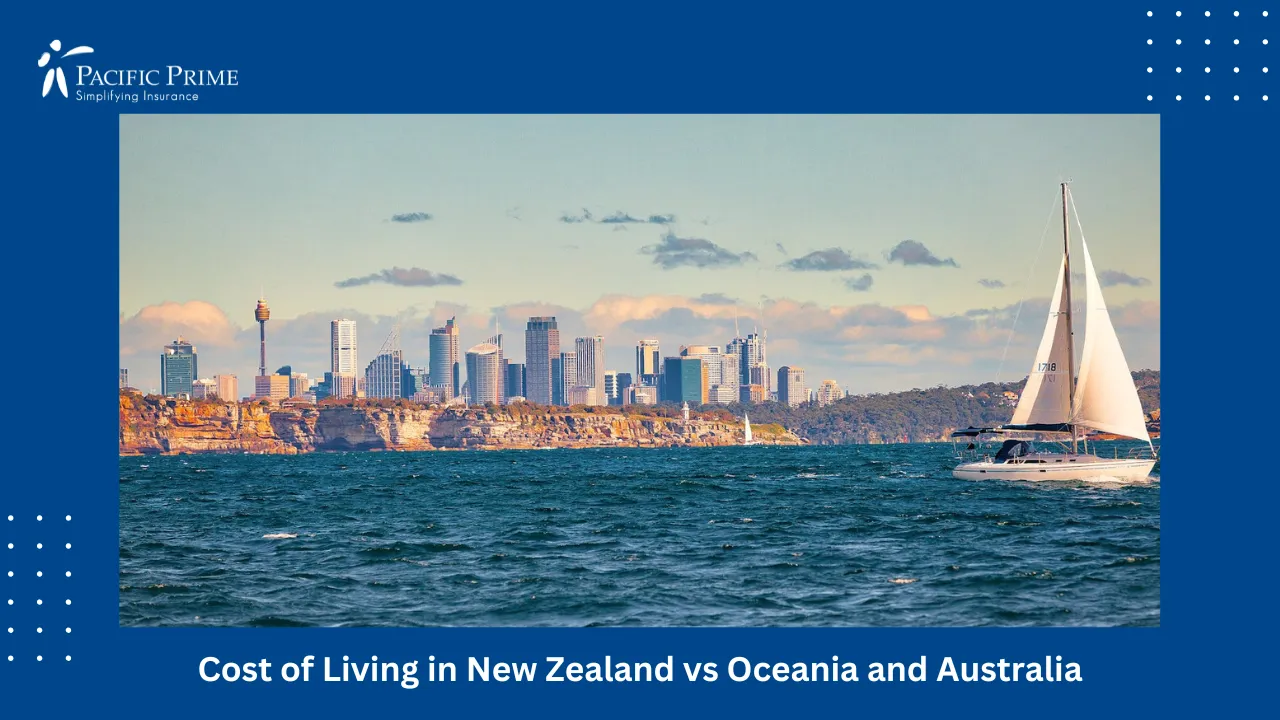
New Zealand’s cost of living is higher than most nations in Oceania but slightly more affordable than Australia. Rent in cities like Auckland and Wellington is lower than in Sydney, but still significant. Smaller towns offer cheaper housing, making them attractive for budget-conscious expats.
Groceries and utilities are similar to Australia, though some imported goods cost more. Petrol prices are higher in New Zealand, increasing transportation expenses. Despite the costs, New Zealand provides excellent public services, stunning landscapes, and a welcoming environment for expats.
Housing Costs in New Zealand
Rent varies by city, with Auckland and Wellington averaging NZ$2,500 to NZ$3,500 (USD $1,500 to $2,100) per month for a one-bedroom apartment. In smaller cities like Christchurch, rent is NZ$1,800 to NZ$2,500 (USD $1,100 to $1,500).
Popular Housing Options and Tips in New Zealand
Expats often choose areas like Mount Eden (Auckland) or Te Aro (Wellington). Furnished rentals and short leases cost more. “Flatting” is a common way to cut costs, with rooms in shared flats starting around NZ$1,200 to NZ$1,800 (USD $720 to USD$1,100) per month.
Food and Grocery Expenses in New Zealand
Local restaurants charge NZ$20 to NZ$40 (USD $12 to $24) per meal, while groceries cost more, especially for imported goods. Fresh produce costs NZ$4 to NZ$8 (USD $2.50 to $5) per kilogram. Imported items are 30 to 50% higher than local alternatives.
Dietary Alternatives and Local Markers
Countdown and other chains stock diet-friendly items like almond milk or gluten-free bread, though they can cost 20–40% more. Local farmers’ markets like Otara or Riccarton offer fresh, affordable produce and are popular with budget-conscious expats.
Transportation Costs in New Zealand
Public transport is reliable in major cities, with bus fares starting at NZ$2.50 (USD $1.50) per ride. Monthly passes cost around NZ$150 (USD $90), allowing unlimited travel. Taxi fares start at NZ$3 (USD $1.80) plus NZ$2 (USD $1.20) per kilometer.
Ride-hailing services like Uber are available in major urban areas and may offer more competitive pricing.
For those who own a car, petrol costs NZ$3 (USD $1.80) per liter, making driving more expensive than public transit. Annual vehicle registration is around NZ$500 (USD $300), plus additional insurance and maintenance costs.
Healthcare and Insurance Costs in New Zealand
New Zealand provides free public healthcare for residents, but many expats prefer private services for shorter wait times and broader coverage. Specialist consultations cost NZ$150 to NZ$300 (USD $90 to $180) per visit, while standard medical checkups may be lower.
Private health insurance starts at NZ$1,200 to NZ$5,000 (USD $720 to $3,000) annually, depending on coverage. International health insurance provides additional benefits, ensuring medical care beyond New Zealand’s borders.
Expats with chronic conditions or specific medical needs may find private healthcare more efficient, though public hospitals still provide high-quality treatment.
General Doctor Consultations in New Zealand
For residents enrolled in the public healthcare system, GP visits typically cost NZ$20–NZ$50 (USD $12–$30). For expats or non-residents, fees range from NZ$75 to NZ$120 (USD $45 to $72) depending on the clinic. You can find local GPs through Healthpoint.
Specialist Consultations in New Zealand
Specialist visits through the public system are subsidized but may involve long wait times. In the private sector, consultations cost NZ$150 to NZ$300 (USD $90 to USD $180). Private insurance plans like Southern Cross Wellbeing One can help cover these costs.
Common Diagnostic Tests in New Zealand
Basic diagnostic tests such as blood panels, X-rays, and ultrasounds are often free or low-cost through the public system. Privately, they range from NZ$100 to NZ$300 (USD $60 to USD $180). For a full overview, see the New Zealand Laboratory Test Guidelines or browse Family Doctor’s guide.
Cost of Medications in New Zealand
Most prescription medications are subsidized by PHARMAC, with a standard co-payment of NZ$5 per item. Non-subsidized or private prescriptions may cost NZ$20 to NZ$100 (USD $12 USD $60) depending on the medication and provider.
Accidental Injury Coverage (ACC Scheme)
The ACC scheme covers accidental injuries for all people in New Zealand—even tourists. Whether it’s a sports injury or fall, ACC helps with treatment and rehab costs. It’s one of the few national systems offering this level of inclusive support.
Education Costs in New Zealand
Public schools are free for residents, though some have extra fees. International schools charge NZ$15,000 to NZ$35,000 (USD $9,000 to $21,000) per year, and university tuition costs NZ$25,000 to NZ$40,000 (USD $15,000 to $24,000) for international students.
More About Schools and Universities in New Zealand
New Zealand’s school system runs from Year 1 to 13, starting in January. International schools offer IB, British, or American curricula, with top picks including Auckland International College and Kristin School. University degrees are globally recognized.
Entertainment and Leisure Costs in New Zealand
Gym memberships cost NZ$50 to NZ$120 (USD $30 to USD$72) per month. Movie tickets are NZ$18 to NZ$25 (USD $11 to USD$15), and pub drinks cost NZ$10 to NZ$20 (USD $6 to USD$12). Many outdoor activities are free, while ski trips or adventures cost NZ$100 to NZ$300 (USD $60 to USD$180).
Lifestyle and Community in New Zealand
Kiwis are known for being friendly and laid-back. Many expats find community through sports clubs, hobby groups, or volunteering. The culture celebrates the outdoors, with hiking, kayaking, and camping being favorite weekend pastimes.
Salary Expectations and Savings in New Zealand

Expats earn well in New Zealand. Finance roles pay NZ$80,000 to NZ$150,000 (USD $48,000 to USD $90,000), English teachers make NZ$50,000 to NZ$70,000 (USD $30,000 to USD $42,000), and healthcare workers earn NZ$70,000 to NZ$120,000 (USD $42,000 to USD $72,000) annually.
Below is a sample monthly budget for expats in New Zealand:
| Expense | NZD | USD |
| Rent | 3,000 | 1,800 |
| Food | 800 | 480 |
| Transport | 150 | 90 |
| Utilities | 250 | 150 |
| Healthcare | 200 | 120 |
| Entertainment | 300 | 180 |
| Miscellaneous | 200 | 120 |
| Total | 4,900 | 2,940 |
If you’re looking to save on costs, living in smaller cities can reduce overall costs by 20-30%.
Have Pacific Prime Help You With Your Move to New Zealand!
Living in New Zealand offers natural beauty and modern conveniences, with plenty of outdoor and social activities. If you’re planning to relocate to New Zealand, Pacific Prime can help secure the right health coverage!
With 25 years of experience in international health insurance, expat insurance, and family insurance, Pacific Prime has helped countless expats and their families secure quality medical coverage while living abroad.
With insurance solutions tailored to your healthcare needs, you can ensure access to top-tier medical services and financial security while enjoying life in New Zealand.
Contact us today for a FREE quote!
Frequently Asked Questions
How much does an expat need to live comfortably in New Zealand?
A single expat requires NZ$3,500 to NZ$5,500 (USD $2,100 to $3,300) per month, while families need NZ$7,500 to NZ$12,000 (USD $4,500 to $7,200) for a comfortable lifestyle.
What are the healthcare costs for expats in New Zealand?
Public healthcare is free for residents, but private services cost NZ$150 to NZ$300 (USD $90 to $180) per visit. Health insurance plans range from NZ$1,200 to NZ$5,000 (USD $720 to $3,000) annually.
Is renting an apartment in New Zealand expensive?
Rent in Auckland and Wellington costs NZ$2,500 to NZ$3,500 (USD $1,500 to $2,100) per month for a one-bedroom apartment, while smaller cities offer lower prices.
Can expats save money while living in New Zealand?
Expats can save by living outside major cities, using public transport, and reducing dining expenses. Employer perks like housing allowances also help reduce costs.
What are the best ways to manage living expenses in New Zealand?
Budgeting wisely, shopping at local markets, comparing rental options, and choosing the right health insurance are key strategies for managing expenses.

At Pacific Prime, Grace focuses on simplifying complex concepts on international health insurance to make these topics easily accessible and understandable for our target audience. Being a Filipino born in Hong Kong, she understands the struggles of most immigrants and expats in finding the right insurance solutions while in another country. Her goal is to redefine most people’s perception of insurance, that it is an investment for one’s protection and future.
In her spare time, Grace is either at home or at Hong Kong Disneyland. She loves reading, watching movies and K-dramas, and attending dance classes.
- How to Find Digital Nomad Jobs in Thailand – October 22, 2025
- Top 12 Insurance Companies in Serbia for Expats – October 21, 2025
- Expat’s Guide: Pros and Cons of Living in Thailand – October 20, 2025


Comments