300x85-png.webp)


 Hong Kong
 Singapore
 China
China Dubai
Dubai Thailand
 United Kingdom
 Mexico
The average monthly cost of living in Colombia ranges from COP 2.7 to 6 million (USD 700–1,500) for expats, depending on lifestyle and location. Major cities like Bogotá, Medellín, and Cartagena are more expensive, while smaller towns are more affordable.
Discover the world’s top
health insurers.
Compare quotes with
a click of the button.
In this Pacific Prime guide, we’ll break down the cost of living in Colombia, covering key expenses such as housing, food, transportation, and healthcare. We’ll also highlight why international health insurance is a smart choice for expats seeking peace of mind while living in the Americas.
The cost estimates come from trusted sources like Numbeo, Expatistan, and Colombia’s National Administrative Department of Statistics (DANE). Local government data and insights from relocation experts and expat communities ensure accurate, up-to-date info for major cities as of mid-2025.
Housing Costs in Colombia
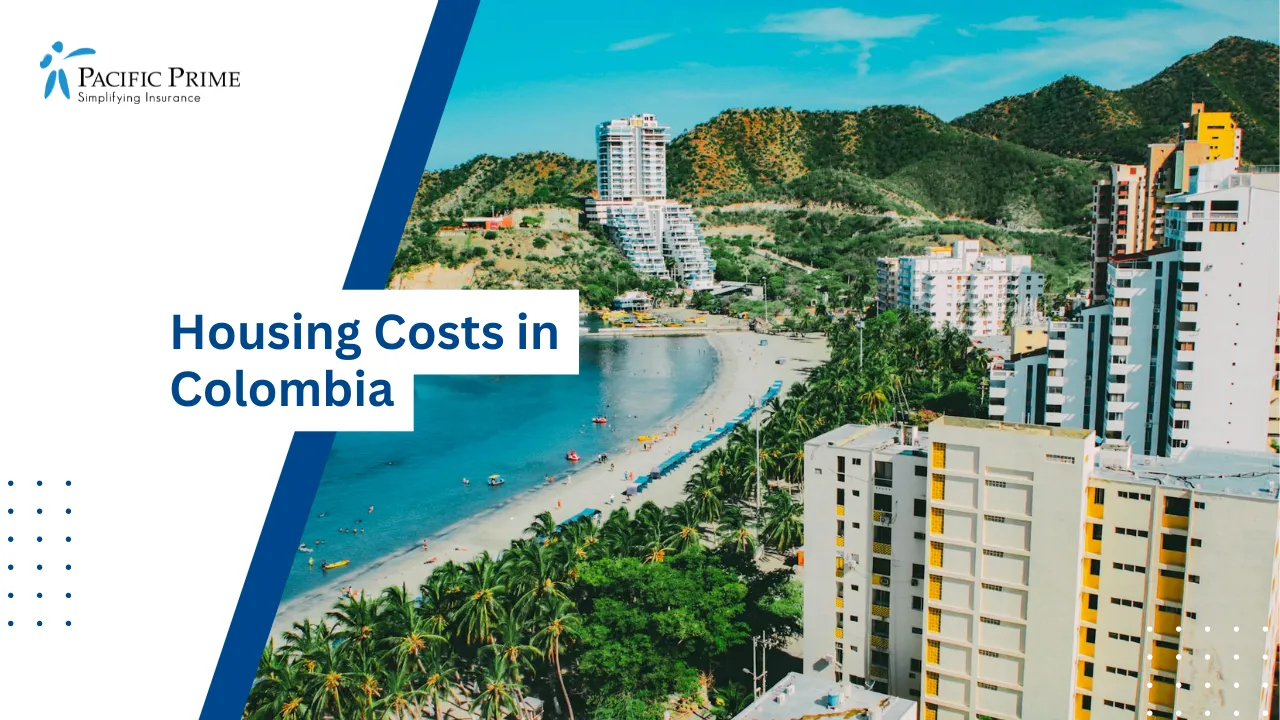
Rent for a one-bedroom apartment in Colombia ranges from COP 1.5 to 3 million/month (USD 380–770), depending on location. In cities like Bogotá, Medellín, and Cali, central units are pricier, while suburban areas offer more space at lower prices.
If you’re open to sharing, renting a private room costs COP 800,000–1.2 million (USD 205–310). Prices depend on amenities and neighborhood. Foreigners face no major rental restrictions but usually need to pay a deposit equal to one or two months’ rent upfront.
Buying Property in Colombia
Real estate is more affordable than in North America. In large cities, central property costs average USD 1,450 per sq m. (COP 5.4 million). In outer areas, the price drops to USD 1,150 per square meter (COP 4.3 million), with new buildings and condos offering the best value for money.
Foreigners can legally buy property without restrictions. Plan for legal fees, closing costs, and taxes, which add about 2–5% to the total price. Hiring a local lawyer or real estate agent can help with contracts, registration, and avoiding common pitfalls.
Additional Housing Fees in Colombia
Utility costs depend on apartment size and usage. For a 90 sq m home, expect to pay COP 300,000–500,000/month (USD 70–120) for electricity, water, gas, and waste collection. Bills may rise in hotter areas where air conditioning is used more frequently.
Internet costs around COP 97,000/month (USD 24). Mobile plans average COP 39,000 (USD 10). Some landlords include basic services in rent, but others don’t, so always double-check your contract. Setting up utilities may also require a local bank account.
Food and Groceries Costs in Colombia
Colombia’s food scene is flavorful and affordable. Whether shopping at local mercados or dining at restaurants, expats can find quality options for all budgets. Below, we outline typical grocery costs, dining expenses, and tips for saving while eating well.
The Cost of Grocery Shopping in Colombia
Local markets sell fresh fruits, vegetables, and meats at low prices. Supermarkets like Éxito, Jumbo, and Carulla carry both local and imported items. Prices vary, with imported goods costing more than local staples like rice, beans, eggs, and tropical produce.
A single person spends around COP 700,000–1 million/month (USD 180–260) on groceries. Families typically budget COP 1.5–2 million (USD 385–515). Shopping at open-air markets and buying in bulk can reduce costs, especially in major cities like Medellín and Bogotá.
The Cost of Dining Out in Colombia
Dining out is relatively inexpensive in Colombia. A typical meal at a local eatery or set lunch (corrientazo) costs COP 15,000–25,000 (USD 4–6.50). At mid-range restaurants, a three-course dinner costs around COP 70,000–120,000 (USD 18–30) per person.
International food is widely available in cities. Sushi, Italian, and Middle Eastern options are common. Coffee costs about COP 5,000–9,000 (USD 1.30–2.30), and pastries or local snacks like empanadas range from COP 2,000–4,000 (USD 0.50–1), offering tasty treats on a budget.
Transportation Costs: Getting Around Colombia
Colombia offers a range of affordable transportation options in urban and rural areas. Major cities like Bogotá and Medellín have organized transit systems, while buses and ride-hailing apps fill the gaps. Smart cards offer easy payment and discounted fares.
Public Transportation Costs in Colombia
Public transport is well-established in Colombian cities. Bogotá’s TransMilenio and Medellín’s Metro and cable cars are reliable, while buses, colectivos (shared transport), and taxis are widely available. Most systems use reloadable smart cards for added convenience.
- TransMilenio: Fares cost COP 2,950 (USD 0.76) per ride.
- Medellín Metro: Rides cost COP 3,090 (USD 0.80).
- Cable Cars: Integrated with the Metro system at no extra cost.
- Colectivos/Buses: COP 2,500–3,000 (USD 0.65–0.77), depending on the city.
- Monthly Costs: Range from COP 150,000–250,000 (USD 39–65) per person.
The Cost of Owning a Car in Colombia
Private cars are useful but costly due to taxes, maintenance, and restrictions like Pico y Placa (a traffic control system in Colombia that restricts vehicle use on certain days, based on the final digits of the license plate number to help mitigate congestion during rush hours).
Heavy traffic in cities like Bogotá adds to the burden, making car ownership less practical for many urban residents compared to using public transit.
- SOAT Insurance: Starts at COP 400,000/year (USD 105), and provides coverage for costs related to traffic accidents that cause injury or death to drivers, passengers, pedestrians, or other third parties.
- Fuel: Petrol averages COP 11,500/liter (USD 2.95).
- Maintenance: COP 1.5–3 million/year (USD 385–770).
- Parking: COP 4,000–8,000/hour (USD 1–2) in urban areas.
- Tolls & Taxes: Additional fees vary by region and vehicle type.
The Cost of Intercity Travel in Colombia
Intercity travel in Colombia ranges from COP 50,000 (USD 13) for long-distance buses to COP 120,000 (USD 31) for domestic flights. Given the country’s diverse geography, both air and road travel are essential. Flights save time, while buses offer scenic and affordable alternatives.
- Long-Distance Buses: COP 50,000–100,000 (USD 13–26) per trip.
- Domestic Flights: Start around COP 120,000 (USD 31).
- Airlines: Avianca, LATAM, and Wingo offer frequent routes.
- Driving Between Cities: Tolls cost COP 10,000–20,000 each (USD 2.60–5.20).
- Travel Time: Bogotá to Medellín takes 8–10 hours by bus, 1 hour by air.
Healthcare Expenses in Colombia: What to Expect
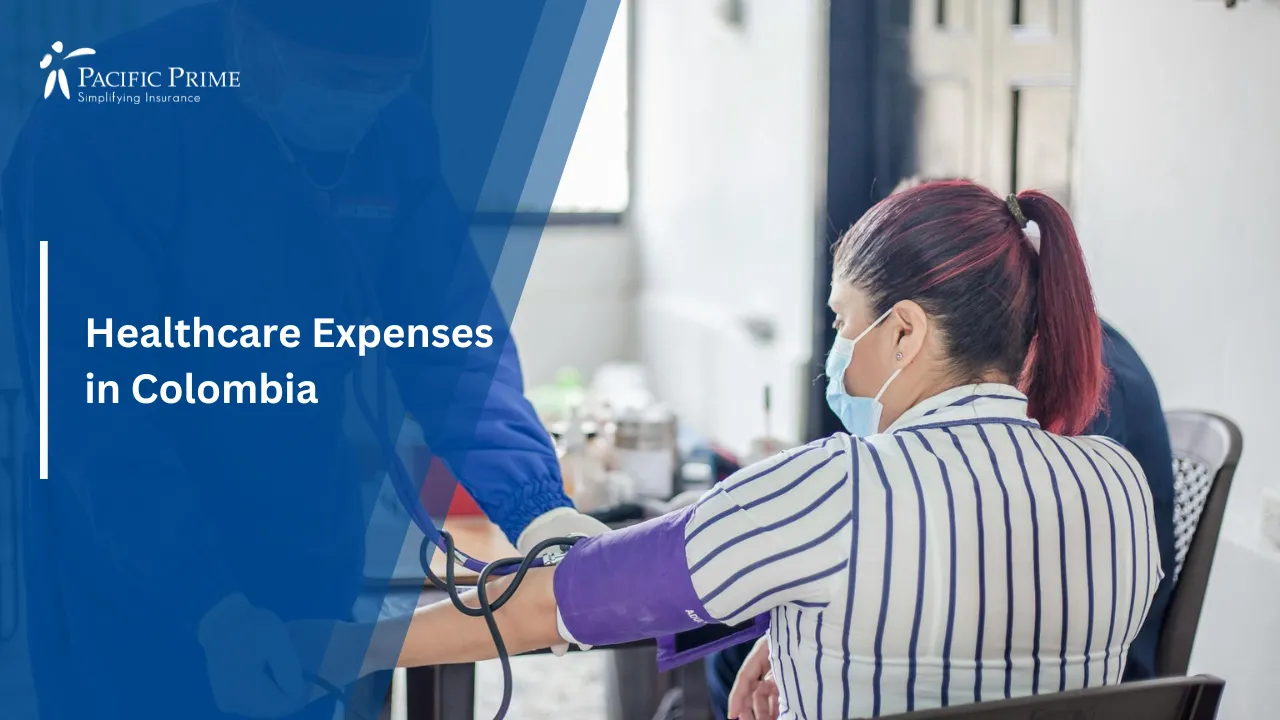
Healthcare in Colombia is affordable, with public care often free and private doctor visits starting at COP 80,000 (USD 20). The public system offers broad access but longer waits, while private providers give faster, higher-quality service—ideal for expats needing reliable care.
Private care is relatively affordable by international standards, though prices vary by provider and city. Many expats choose international or local health insurance to cover private healthcare costs, ensuring better access and more comprehensive care.
The Cost of General Doctor Consultations in Colombia
Public healthcare (EPS) covers general consultations at minimal or no cost for registered residents. However, wait times can be long. In the private sector, general doctor visits range from COP 80,000 to 200,000 (USD 20–50), depending on location and reputation.
Private clinics such as Clinica del Country (Bogotá), Fundación Santa Fe, and Clínica Medellín offer general consultations with English-speaking staff, popular among expats seeking fast and quality care.
The Cost of Specialist Consultations in Colombia
Specialist visits in private clinics typically range from COP 150,000 to 350,000 (USD 38–90). Public system referrals are often free or cost less than COP 30,000 (USD 8), but involve longer wait periods.
Top private hospitals like Fundación Santa Fe and Clínica del Rosario are known for their skilled specialists in areas such as cardiology, dermatology, and gynecology, with modern equipment and multilingual support.
The Cost of Common Diagnostic Tests in Colombia
Basic diagnostic tests like blood panels start at around COP 40,000 (USD 10) in private clinics. Imaging procedures such as X-rays cost between COP 60,000 and 120,000 (USD 15–30), while MRIs typically range from COP 700,000 to 1.5 million (USD 180–380).
Reputable hospitals like Clínica Universidad de La Sabana and Hospital Pablo Tobón Uribe offer a full range of diagnostic services, often at short notice in private care settings.
The Cost of Inpatient Hospital Stays in Colombia
Costs for inpatient stays in private hospitals range from COP 500,000 to 1.5 million (USD 130–380) per night, depending on room type and city. Public hospital stays are significantly cheaper but vary by insurance plan and location.
Private facilities such as Fundación Santa Fe and Clínica Portoazul provide clean, comfortable accommodations with options ranging from shared rooms to deluxe suites, often with concierge services for international patients.
The Cost of Surgical Procedures in Colombia
Surgical procedures are more affordable than in many Western countries. For example, cataract surgery in a private clinic may cost COP 4 to 7 million (USD 1,020–1,800), while orthopedic procedures can exceed COP 15 million (USD 3,800), depending on complexity.
Clinics like Clínica del Country and Clínica Medellín are equipped for advanced surgeries and are accredited by international bodies, providing peace of mind for patients seeking elective or emergency procedures.
Medication Costs in Colombia
Prescription medications are generally affordable. Common drugs cost between COP 10,000 and 50,000 (USD 2.50–13), while branded medications may cost more. EPS plans cover many essential drugs at no cost or with a small co-pay.
Pharmacies like Cruz Verde and Farmatodo are widely available and stock both over-the-counter and prescription medications. Pharmacists often speak some English and can assist with basic health queries.
Many expats in Colombia choose private or international health insurance to access higher-quality care and avoid long waits. Comprehensive plans often include outpatient visits, diagnostics, surgery, and prescriptions, offering peace of mind for those unfamiliar with the local system.
Education Costs in Colombia: From Preschool to University
Public education is free for residents and citizens, while expats often opt for private or international institutions due to language and curriculum considerations.
Tuition fees vary widely, especially in international schools catering to expat families. This section outlines the costs from early childhood education through university, helping families plan for schooling in Colombia.
The Cost of Early Childhood Education and Daycare in Colombia
Early childhood programs in Colombia include jardines infantiles (preschools) and guarderías (daycares), and fees range from COP 500,000 to 2 million/month (USD 130–510) for private full-day programs, depending on location and services.
Well-regarded preschools such as Colegio Nueva Granada and The English School in Bogotá offer structured early education in English, often following international teaching models suited for expat children.
The Cost of Public Schools in Colombia
Public schools in Colombia are tuition-free for residents, covering primary and secondary education. Instruction is in Spanish, and class sizes can be large, with varying quality across regions.
While affordable, public schools may not meet the academic or language needs of expat families. Many expats choose bilingual or international private schools to ensure a smoother educational transition.
The Cost of Private and International Schools in Colombia
Annual tuition ranges from COP 25 to 60 million (USD 6,400–15,400), with top-tier schools charging even more. Private and international schools offer bilingual or foreign curricula such as IB, American, or British systems.
Notable options include Colegio Anglo Colombiano, The British School, and Lycée Français. These schools provide small class sizes, international accreditation, and strong academic programs tailored to global families.
The Cost of Higher Education in Colombia
Public universities charge low tuition, often under COP 5 million/year (USD 1,280) for locals, but rates are higher for foreigners. Private universities range from COP 10 to 25 million/year (USD 2,500–6,400), depending on the program.
Top universities like Universidad de los Andes, Universidad Nacional, and Pontificia Universidad Javeriana offer respected degrees in fields such as medicine, engineering, and business, with some programs taught in English.
Utilities and Bills in Colombia: Managing Monthly Expenses
Utility costs in Colombia are generally affordable, though they vary by city, apartment size, and personal usage. For a 40–60 sqm. apartment, combined monthly costs for electricity, water, and gas range from COP 200,000 to 500,000 (USD 50–130).
Internet packages start at around COP 70,000/month (USD 18), while mobile bills depend on your plan. Air conditioning in coastal cities or heating in high-altitude areas can notably impact electricity usage.
The Cost of Rent and Climate-Based Utility Costs in Colombia
Electricity bills can range from COP 100,000 to 300,000/month (USD 25–77), depending on appliances and location. Rent in major cities like Bogotá or Medellín starts around COP 1.5 million/month (USD 385) for a one-bedroom, typically excluding utilities.
In coastal cities like Cartagena or Santa Marta, AC use significantly increases electricity bills. Meanwhile, homes in Bogotá may require heaters during cooler months.
Tenants usually pay utilities separately. Electricity is provided by companies like CODENSA in Bogotá or EPM in Medellín, while water and gas services are billed monthly or bi-monthly.
The Cost of Electricity and Water in Colombia
Electricity costs vary by city and socioeconomic strata (estrato), with higher estratos paying more. Average rates are around COP 700–900/kWh (USD 0.18–0.23), subject to seasonal usage.
Water bills are generally modest, ranging from COP 30,000 to 80,000/month (USD 8–20) for a small household. Shared buildings may include water in the administration fees. High-consumption months, like the dry season, can increase bills.
The Cost of Gas, Internet, and Mobile Plans in Colombia
Monthly gas bills range from COP 20,000 to 60,000 (USD 5–15), depending on usage and household size. Most urban areas are well-connected to natural gas networks. Natural gas is commonly used for cooking and heating water in Colombian homes, especially in cities like Bogotá and Medellín.
Fiber-optic internet in Colombia starts at COP 70,000/month (USD 18) with speeds of 100–300 Mbps from providers like Claro and Movistar. Mobile plans cost COP 30,000–80,000 (USD 8–20). Prepaid SIMs are popular among expats and ideal for short-term or flexible usage.
The Cost of Entertainment and Leisure in Colombia
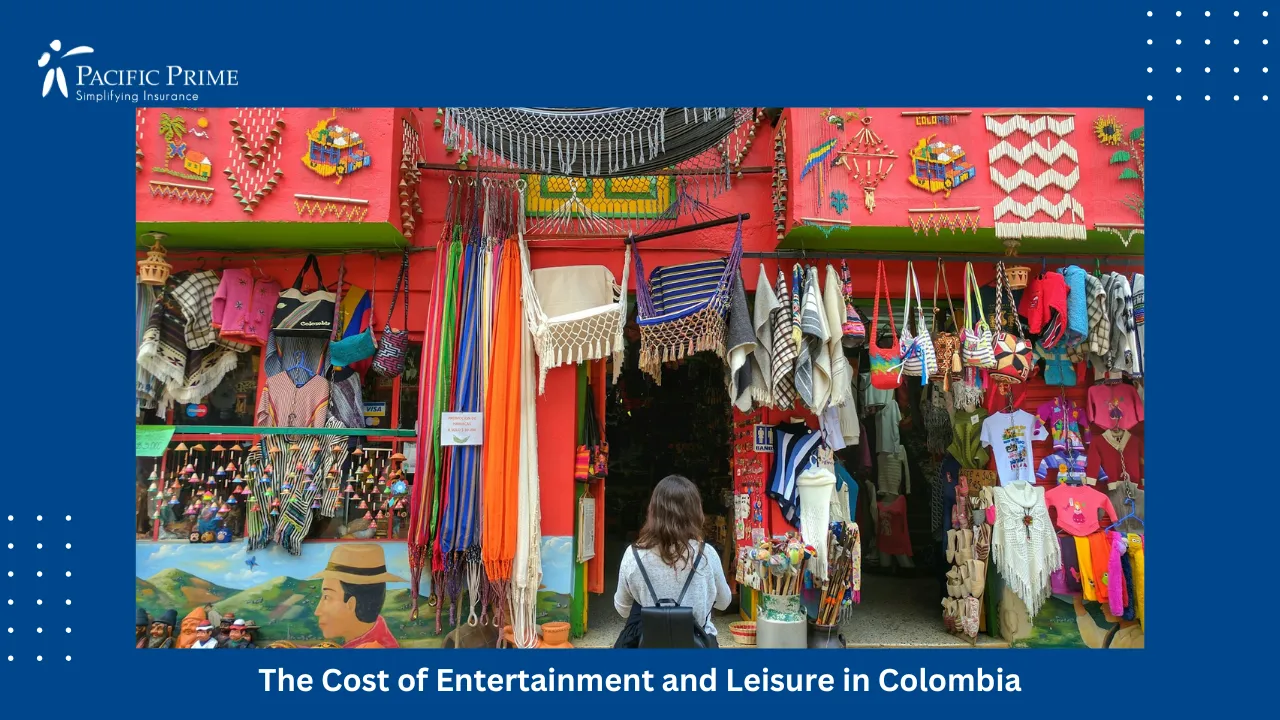
Movie tickets cost COP 12,000–20,000 (USD 3–5), while gym memberships range from COP 70,000–200,000/month (USD 18–50), depending on the city and facility. Colombia offers vibrant leisure options, from street festivals and salsa clubs to museums and national parks.
Public events, concerts, and exhibitions often take place in parks and cultural centers. Bogotá’s Ciclovía and Medellín’s Jardín Botánico provide free recreation. Outdoor lovers enjoy low-cost access to hiking, waterfalls, and eco-tours across Colombia’s diverse landscapes.
The Cost of Cultural Activities and Museums in Colombia
Colombian cities are home to museums and galleries rich in art and history, and entry fees range from COP 5,000–20,000 (USD 1.30–5). Top venues include Museo del Oro and Museo Botero in Bogotá. Many offer free entry days each month for residents and tourists alike.
Theaters like Teatro Colón in Bogotá and Teatro Pablo Tobón Uribe in Medellín present plays, operas, and concerts. Tickets start from COP 20,000 (USD 5), with discounts often available for students and seniors. Free open-air performances are common during city festivals.
The Cost of Dining Out and Socializing in Colombia
Dining is affordable and diverse. A typical Colombian meal at a local restaurant costs COP 15,000–30,000 (USD 4–8). Mid-range spots charge COP 40,000–80,000 (USD 10–20) per person, depending on the cuisine and location.
Fine dining ranges from COP 120,000–250,000 (USD 30–65) per person. Zona T in Bogotá and El Poblado in Medellín are popular nightlife and dining districts. Happy hour promos on cocktails, beers, and tapas are common in these urban centers.
The Cost of Nightlife and Entertainment in Colombia
Colombia’s nightlife scene features rooftop bars, salsa clubs, and music festivals, and club entry costs COP 20,000–50,000 (USD 5–13), often with a welcome drink. Salsa nights, reggaeton parties, and electronic music events are staples of Bogotá, Cali, and Medellín.
Drinks cost around COP 8,000–15,000 (USD 2–4) for a local beer, and COP 20,000–40,000 (USD 5–10) for cocktails. Nightlife hotspots include Chapinero and Zona Rosa in Bogotá, Parque Lleras in Medellín, and Granada in Cali. Many host karaoke, stand-up, or DJ nights.


Budgeting Strategies for Living in Colombia
By monitoring your spending and adjusting daily habits, you can make the most of your income and enjoy life in vibrant cities like Bogotá, Medellín, or Cali.
In this section, we’ll cover budgeting tips for expats in Colombia. Whether it’s cooking at home, using public transport, or choosing housing in affordable areas, these strategies help you stretch your budget while maintaining a comfortable lifestyle.
Tracking Your Expenses
Use apps like Fintonic, Wallet, or Monefy to track spending. Daily expense logging highlights unnecessary costs and helps you stay within budget. With inflation and fluctuating prices, it’s vital to stay on top of your finances in Colombia.
Set a monthly budget including fixed costs like rent and transit. Allocate realistic amounts for food, entertainment, and savings. Review regularly to stay on track and avoid overspending—especially useful in cities where tempting weekend plans are everywhere.
Living Outside Expensive Neighborhoods
Choosing less touristy neighborhoods can significantly cut rent. For example, in Bogotá, a one-bedroom in Chapinero Alto may cost COP 2M (USD 500), compared to COP 3.5 M+ (USD 900+) in El Nogal or Zona G. In Medellín, Laureles is more affordable than El Poblado.
Beyond rent, living outside premium areas means cheaper groceries, services, and dining. These neighborhoods often offer a more authentic local experience while remaining well-connected by public transit or ride-hailing apps.
Saving on Transportation
Public transportation is cheap and widespread. Bogotá’s TransMilenio and Medellín’s Metro cost around COP 2,950–3,500 (USD 0.75–0.90) per ride. Monthly expenses are low if you use reloadable cards like SITP or Civica.
Save more by:
- Walking or biking short distances
- Using metro or bus transfers
- Avoiding peak-hour taxis and rideshares
- Taxis start around COP 5,000 (USD 1.30), but surge pricing can make them costly.
Shopping Smart and Cooking at Home
Local markets (plazas de mercado) offer fresh produce, meats, and grains at lower prices than supermarkets. Buying seasonal fruits and local staples like beans or rice helps reduce costs.
Dining out is affordable, but it adds up. A home-cooked meal may cost COP 8,000–15,000 (USD 2–4) per person, versus COP 30,000+ (USD 7.50+) at a mid-range restaurant. Cooking regularly and limiting delivery apps can save thousands of pesos each month.
Reducing Utility and Energy Bills
Utility bills in Colombia vary by region and climate. In temperate cities like Bogotá, bills are lower due to minimal AC or heating use. In warmer areas like Cartagena, electricity can be expensive due to cooling needs.
To reduce utility bills:
- Unplug unused electronics
- Use fans instead of AC when possible
- Wash with cold water and air-dry clothes
These changes can reduce electricity costs by COP 50,000–150,000/month (USD 13–38), depending on usage and household size.
Conclusion
Living in Colombia involves varied costs, from housing and utilities to transport, healthcare, and leisure. Your total budget depends on location, visa type, and whether you’re moving solo or with loved ones, making personal planning essential.
Each expat has unique priorities, goals, and lifestyles. That’s why Pacific Prime leverages 25 years of global expertise to help expats in Colombia secure tailored international health insurance that meets both personal and financial needs.
What remains vital is securing quality healthcare access. International health insurance ensures peace of mind, faster service, and English-speaking support, which is especially important in emergencies or for long-term expat stays in Colombia.
Whether you’re preparing to move or reassessing your current plan, our expert advisors are here to help.
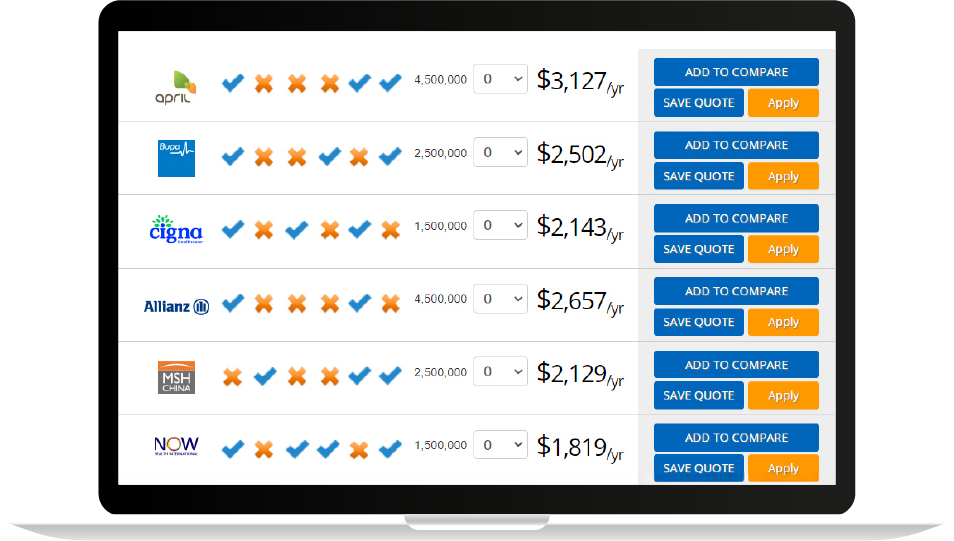
Contact us today, or use our free quote tool to compare plans in just a few clicks!
Looking at other South American destinations for your expat journey? Read more on the cost of living in Costa Rica and Mexico!

After obtaining his Bachelor’s Degree in Social Sciences, International Relations from Mahidol University International College, Veerabhatr has forged his career as a content writer in the travel, lifestyle, and real estate industries, writing in both English and Thai. He now continues to hone his skills as a writer at Pacific Prime, looking to engage and educate the audience by simplifying insurance.
Writer by day, and a DJ by night, Veerabhatr is a staunch music lover, and listens to all spectrums of genres available. He also loves to drink beer (moderately), eat all types of food, go to the beach, and learn about different cultures across the globe. He is also a die-hard fan of football and motorsports.
- How Much Salary Do You Need to Live Comfortably in Thailand? – October 22, 2025
- Guide on Moving to Thailand from Canada as An Expat – October 20, 2025
- Top Health Insurance in Thailand for Russian Expats: Options and Benefits – October 16, 2025


Comments