300x85-png.webp)


 Hong Kong
 Singapore
 China
China Dubai
Dubai Thailand
 United Kingdom
 Mexico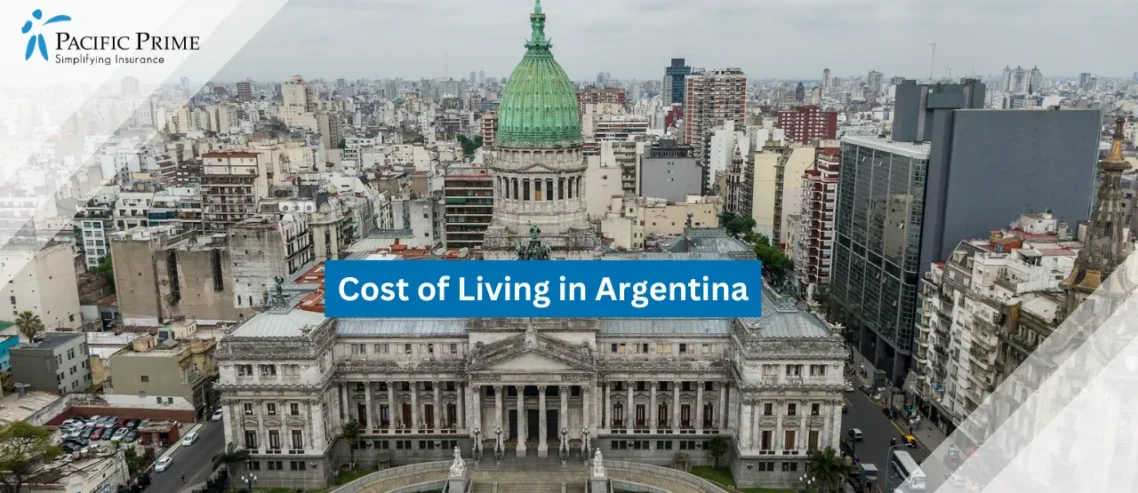
The monthly cost of living in Argentina for individuals is around AR$300,000 to AR$500,000 (USD $330 to USD $550), while families will require around AR$700,000 to AR$1,200,000 (USD $770 to USD $1,320). While the costs vary by city and lifestyle, Argentina is a vibrant destination for expats.
Discover the world’s top
health insurers.
Compare quotes with
a click of the button.
Rich cultural experience, affordable living, and a dynamic economy are some reasons expats choose Argentina. This guide breaks down the costs of essential expenses, including housing, food, healthcare, insurance, education, and entertainment.
Cost of Living in Argentina vs the Americas
Argentina has a lower cost of living compared to many North and South American countries. While cities like Buenos Aires and Cordoba can be more expensive, overall prices remain lower than in the United States, Canada, and parts of Brazil and Chile.
Rent in Argentina is considerably cheaper than in major US cities, and food is affordable, particularly local produce and meat. Public transportation is also well-priced. Argentina provides high-quality healthcare, strong public services, and diverse cultural experiences.
Housing Costs in Argentina
Rent in Buenos Aires’ city center averages AR$200,000 to AE$350,000 (USD $220 to USD $380) per month for a one-bedroom apartment. In smaller cities like Mendoza or Rosario, rent is lower at AR$120,000 to AR$250,000 (USD $130 to USD$270).
Some landlords require security deposits equal to one or two months’ rent, along with additional administrative fees. Overall, housing in Argentina is highly affordable, especially compared to North America and Europe.
Food and Grocery Expenses in Argentina
Local restaurants charge AR$5,000 to AR$15,000 (USD $5 to USD $7) per meal, while upscale dining can go beyond AR$30,000 (USD $33) per person. Argentina is known for its affordable and high-quality food, especially meats, produce, and wine.
Fresh produce is reasonably priced, with vegetables costing AR$2,000 to AR$5,000 (USD $2 to USD $5) per kilogram. Argentinian beef is world-renowned, with prices around AR$5,000 to AR$15,000 (USD $5 to USD $17) per kilogram.
Transportation Costs in Argentina
Argentina has an efficient and inexpensive public transportation system. Bus fares start at AR$400 to AR$800 (USD $0.40 to USD $0.80) per ride, while monthly transport passes cost AR$10,000 to AR$15,000 (USD $11 to USD $17).
Taxi fares begin at AR$1,500 (USD $1.70) plus AR$300 (USD $0.35) per kilometer. Ride-hailing services like Uber and Cabigy are available in major cities and offer competitive rates.
Petrol averages AR$700 to AR$1,000 (USD $0.75 to USD $1.10) per liter, making car ownership more expensive than public transit.
Healthcare and Insurance Costs in Argentina
Argentina has an excellent healthcare system, with both public and private services available. Public healthcare is free for residents and citizens, and expats can often access it as well. However, the availability and quality of care may vary depending on the region.
Many expats opt for private healthcare for faster service, access to specialists, and English-speaking doctors. Private consultations cost ARS$20,000 to ARS$40,000 (USD $22 to $44) per visit, depending on the specialty.
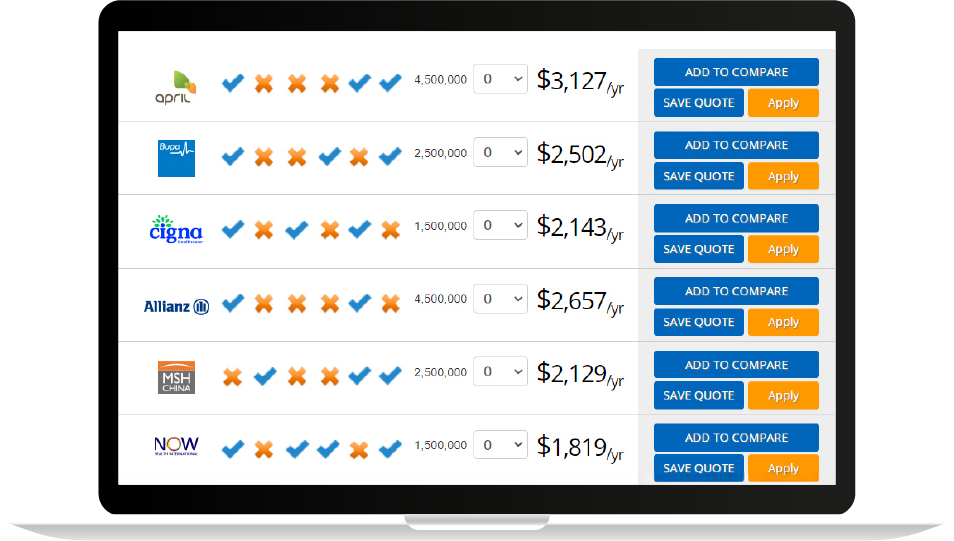
Private insurance starts at ARS$100,000 to ARS$400,000 (USD $110 to $440) annually, while international health insurance provides broader global coverage. This ensures access to high-quality medical services, shorter wait times, and specialized care, making it a preferred option for many expats.
Education Costs in Argentina
Argentina offers free public education for residents and citizens, and expats can generally enroll as well. However, policies may vary by region and individual schools. While tuition is free, some public schools charge small fees for materials, extracurricular activities or administrative costs.
Many expat families prefer private or international schools due to language barriers and differences in the curriculum. These schools follow IB, British, or American systems and charge tuition ranging from AR$1,000,000 to AR$3,000,000 (USD $1,100 to USD $3,300) per year.
Expats planning a long-term stay often research local school options early, ensuring their children receive an education that aligns with their future academic goals.
Entertainment and Leisure Costs in Argentina
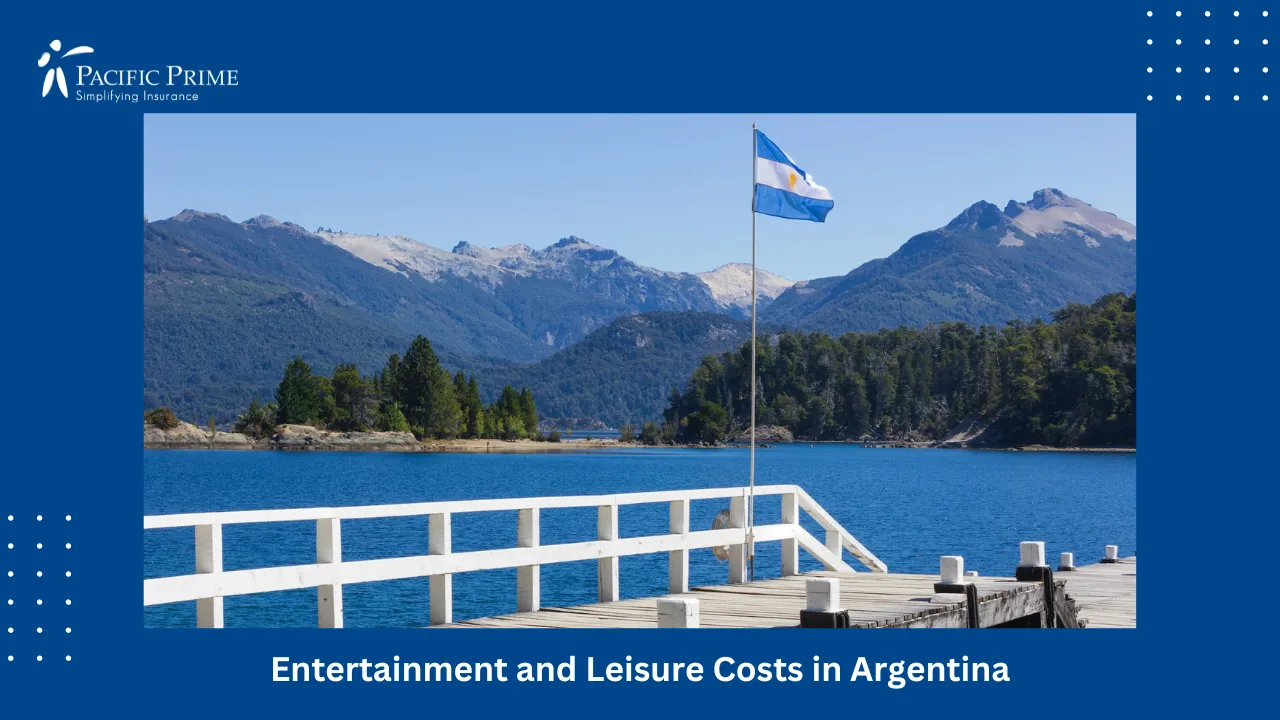
Expats can enjoy a variety of entertainment options across Argentina. Gym memberships cost ARS$20,000 to ARS$50,000 (USD $22 to $55) per month, while movie tickets are ARS$5,000 to ARS$10,000 (USD $5 to $11) each.
Nightlife is vibrant, with drinks at bars costing ARS$3,000 to ARS$7,000 (USD $3 to $8). Local events, live music, and cultural festivals provide low-cost entertainment.
Outdoor activities, such as hiking in Patagonia, visiting Iguazú Falls, and exploring wine regions, are widely accessible and often free.
Utilities and Necessities Costs in Argentina
Utilities, including electricity, water, and internet, range from ARS$30,000 to ARS$50,000 (USD $33 to $55) per month. Household essentials, personal care items, and clothing prices vary depending on whether expats shop locally or buy international brands.
Internet and mobile plans cost ARS$8,000 to ARS$20,000 (USD $9 to $22) per month, while basic utilities such as electricity and water range from ARS$30,000 to ARS$50,000 (USD $33 to $55) monthly.
Salary Expectations and Savings in Argentina
Finance professionals make ARS$2,500,000 to ARS$6,000,000 (USD $2,750 to $6,600) annually, while English teachers earn ARS$1,500,000 to ARS$3,000,000 (USD $1,650 to $3,300) per year.
Healthcare professionals earn ARS$2,000,000 to ARS$5,000,000 (USD $2,200 to $5,500) annually. Expats living in lower-cost cities can save more, especially when budgeting carefully.
Have Pacific Prime Help You With Your Move to Argentina!
Moving to Argentina requires financial planning, and Pacific Prime provides insurance solutions tailored for expats. Our expertise in international health coverage ensures expats have access to quality healthcare and financial security.
With 25 years of experience, Pacific Prime has helped many expats in their relocation journey, whether you are relocating to Argentina, Puerto Rico or even Brazil, our team of experts can help you in securing the right insurance coverage for you and your family.
Contact us today for a FREE quote!
Frequently Asked Questions
How much does an expat need to live comfortably in Argentina?
A single expat typically needs ARS$300,000 to ARS$500,000 (USD $330 to $550) per month for housing, food, and other essentials. Families require ARS$700,000 to ARS$1,200,000 (USD $770 to $1,320). Costs vary depending on city and lifestyle, with smaller towns offering more affordable living.
What are the healthcare costs for expats?
Public healthcare is free for residents and accessible to expats, though quality varies. Private care provides faster service, with consultations costing ARS$20,000 to ARS$40,000 (USD $22 to $44) per visit. Private insurance starts at ARS$100,000 (USD $110) annually.
Is renting an apartment in Argentina expensive?
Argentina’s rental market is affordable compared to the U.S. and Europe. In Buenos Aires, a one-bedroom apartment costs ARS$200,000 to ARS$350,000 (USD $220 to $380) monthly, while rent in smaller cities like Mendoza or Córdoba is ARS$120,000 to ARS$250,000 (USD $130 to $270).
Can expats save money while living in Argentina?
Expats can save by choosing lower-cost cities, using public transport, and shopping at local markets. Argentina’s affordable food, free healthcare, and well-priced entertainment help keep living costs manageable. Favorable exchange rates benefit expats earning in foreign currency.
What are the best ways to manage living expenses in Argentina?
Budget-conscious expats should avoid costly imports and prioritize local alternatives. Cooking at home, negotiating rent, and choosing affordable healthcare can significantly cut costs. Monitoring inflation trends and comparing housing and insurance options ensures better financial stability.

At Pacific Prime, Grace focuses on simplifying complex concepts on international health insurance to make these topics easily accessible and understandable for our target audience. Being a Filipino born in Hong Kong, she understands the struggles of most immigrants and expats in finding the right insurance solutions while in another country. Her goal is to redefine most people’s perception of insurance, that it is an investment for one’s protection and future.
In her spare time, Grace is either at home or at Hong Kong Disneyland. She loves reading, watching movies and K-dramas, and attending dance classes.
- How to Find Digital Nomad Jobs in Thailand – October 22, 2025
- Top 12 Insurance Companies in Serbia for Expats – October 21, 2025
- Expat’s Guide: Pros and Cons of Living in Thailand – October 20, 2025


Comments