300x85-png.webp)


 Hong Kong
 Singapore
 China
China Dubai
Dubai Thailand
 United Kingdom
 Mexico
Anemia is one condition that many expats may face, particularly iron deficiency anemia. It involves a lack of healthy red blood cells, leading to fatigue and other symptoms that can affect daily living and work.
Discover the world’s top
health insurers.
Compare quotes with
a click of the button.
Are you worried that you may develop anemia particularly as you age? Are you wondering if anemia is always considered a pre-existing condition by insurers or it depends? Are you trying to secure health insurance but unsure how anemia will affect your options and premiums?
Moving abroad as an expat presents many health considerations, among which managing pre-existing or emerging medical conditions is paramount. This Pacific Prime article offers a comprehensive guide to anemia, how it affects health insurance, and what you should keep in mind when selecting a policy.
Understanding Anemia (Iron Deficiency)
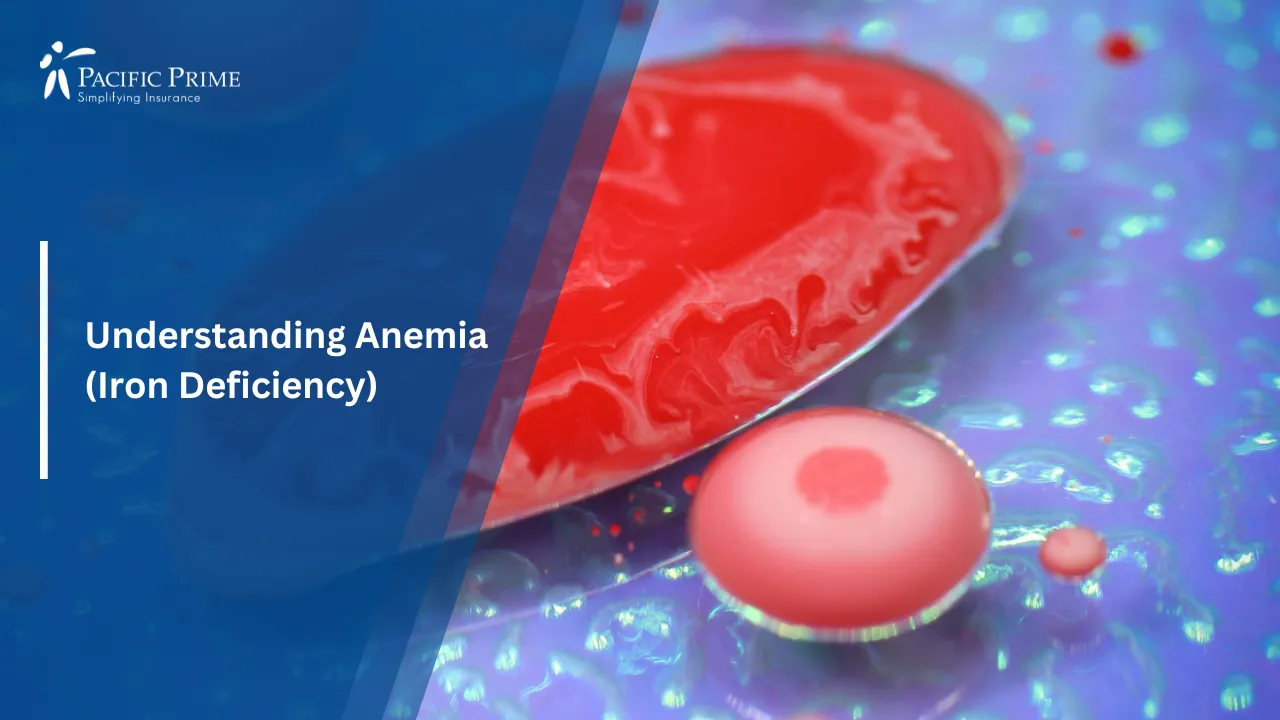
Anemia is a medical condition characterized by a deficiency in the number or quality of red blood cells or hemoglobin, which is essential for carrying oxygen throughout the body.
Inadequate levels of hemoglobin can lead to reduced oxygen delivery to tissues, causing symptoms that can disrupt energy levels, cognitive focus, and overall well-being.
Causes and Symptoms
Iron deficiency anemia, the most common form, occurs when the body lacks enough iron to produce sufficient hemoglobin. The causes vary but mainly include:
- Dietary insufficiency: Inadequate intake of iron-rich foods, especially in vegetarian or vegan diets.
- Blood loss: Often due to menstruation, gastrointestinal bleeding, ulcers, or trauma.
- Malabsorption: Certain health conditions, such as celiac disease or Crohn’s disease, impair iron absorption.
Common symptoms include persistent fatigue, weakness, pale skin, shortness of breath, and dizziness. Severe anemia may also cause heart palpitations or cognitive difficulties.
Diagnosis typically involves blood tests such as a complete blood count (CBC) and iron studies, including serum ferritin and total iron-binding capacity. In some cases, further investigations like endoscopy or colonoscopy are necessary if bleeding is suspected.
Why Managing Anemia is Important
Timely and effective anemia management is vital because unchecked anemia can lower physical stamina, impair cognitive functions, and create other health issues. For expats adapting to new environments, work demands, and lifestyles, maintaining good health through anemia control is essential.
How Anemia Affects Expat Health Insurance
Anemia can affect your purchase of expat health insurance in different ways. Newly diagnosed or acute anemia is typically covered, while chronic or recurrent anemia may be classified as a pre-existing condition, affecting underwriting decisions.
- Newly diagnosed, acute anemia: If anemia is discovered after purchasing insurance or appears as a one-off episode, it is generally covered as a new condition under most policies.
- Chronic or recurrent anemia: If you have a history of iron deficiency anemia confirmed before starting your policy—particularly if you have had ongoing treatment—it is usually considered a pre-existing condition. This classification influences underwriting decisions and coverage limitations.
Underwriting Outcomes for Anemia
Underwriting outcomes for anemia vary based on the condition’s cause and management. Full medical underwriting assesses severity, while moratorium policies may exclude claims for recent conditions. Minor premium increases can also apply depending on treatment intensity and control.
- Full Medical Underwriting: This approach involves a detailed evaluation of your anemia’s cause, severity, and current management. Insurers commonly use this for expat plans, focusing on how well your condition is controlled.
- Moratorium Policies: Some policies impose a waiting period during which anemia-related claims are excluded if the condition was active within a certain timeframe prior to coverage. Patients with stable, resolved anemia may be unaffected.
- Medical Exclusions: For uncomplicated iron deficiency anemia, exclusions are uncommon unless the anemia reflects serious underlying problems, such as ongoing gastrointestinal bleeding or malignancies.
- Loading or Surcharges: Depending on disease chronicity and control, insurers might apply minor premium increases to offset perceived risk, particularly if treatment is intensive or irregular.
The Criticality of Disclosure
Honesty in disclosing your anemia status when applying for insurance is essential. Providing complete and accurate medical history, including blood test results and previous treatments, safeguards your coverage validity.
Failure to disclose anemia may lead to claim denials or even policy rescission, leaving you financially vulnerable.
Coverage for Anemia Management on Health Insurance
Routine doctor visits for diagnosing anemia and monitoring treatment are generally covered. This includes consultations both with general practitioners (GPs) and specialists.
GPs typically handle the initial assessment, ongoing follow-up, medication prescriptions, and health education. When the cause of anemia is unclear or linked to complex medical issues requiring specialized care, specialists such as hematologists or gastroenterologists are often needed.
Diagnostic Tests
Policies typically cover relevant blood tests including complete blood count (CBC) to assess red cell levels, serum ferritin and serum iron to evaluate iron stores, and total iron-binding capacity (TIBC) to help identify iron deficiency.
If gastrointestinal bleeding or malabsorption is suspected, coverage may include more advanced procedures like endoscopy or colonoscopy, though prior authorization may be necessary depending on the insurer.
Medications & Supplements
Medications for anemia often include oral iron supplements, typically covered by insurance, and intravenous iron infusions for cases where oral treatment fails. Insurance also covers medications targeting underlying causes, such as hormonal therapy for heavy menstrual bleeding.
- Oral iron supplements: Commonly prescribed to replenish iron stores and usually covered under insurance medication benefits.
- Intravenous iron infusions: Often reserved for cases where oral therapy is ineffective or not tolerated; these treatments may require prior approval and evidence of medical necessity.
- Treatment for underlying causes: Insurers also typically cover medications addressing the root cause of anemia, such as hormonal therapy for heavy menstrual bleeding or anti-inflammatory drugs for inflammatory bowel disease.
Emergency Care
In cases of severe anemia where symptoms like dizziness, chest pain, or breathlessness arise suddenly, emergency room visits and urgent hospital admissions are covered by most comprehensive plans. Prompt emergency care protects against life-threatening complications.
Best International Health Insurance Providers for Expats with Anemia
MSH International, Allianz Care, GeoBlue, BUPA Global, and April International are the top international health insurance companies for expats with anemia.
If you have anemia prior to joining a health plan, insurers will typically evaluate your “current health condition” during underwriting. This means they consider how stable or controlled your condition is at the time of application rather than only the historic diagnosis.
Anemia is common, especially among women, and insurers will frequently explore the underlying cause and severity during this process.
MSH International
MSH International provides health insurance solutions for expats, offering flexible plans including 24/7 member support in over 50 languages. Options include extensive global coverage, customizable benefits, and a vast network of medical providers.
The plans also feature annual limits that vary based on coverage tiers, accommodating both short-term travelers and those seeking long-term health solutions.
| Plan | Annual Limit (Outside the US) | Key Benefits |
| First’Expat+ Hospi | Up to USD $3,750,000 | Hospitalization, medical evacuation, and emergency care |
| First’Expat+ Health | Up to USD $3,750,000 | Routine healthcare, legal assistance, and up to 100% for consultations |
| First’Expat+ Health+ | Up to USD $4,400 | Vision and dental services |
| First’Expat+ Health+Child | Up to USD $13,800 for maternity | Comprehensive maternity coverage and related services |
Allianz Care
Allianz Care offers international health insurance plans for expats, featuring a maximum benefit of up to $5,000,000, a robust network of healthcare providers, a seamless claims process, and extensive services like the Expat Assistance Program and MyHealth Digital Services.
| Plan Name | Maximum Plan Limit (USD) | Type of Room | Inpatient Coverage | Emergency Outpatient Treatment (USD) |
| Allianz Care | $2,500,000 | Semi-Private | Included | $338 |
| Allianz Care Plus | $4,000,000 | Private | Included | $1,015 |
| Allianz Care Pro | $5,000,000 | Private | Included | $1,015 |
GeoBlue
GeoBlue offers health insurance plans for expats with options such as unlimited telemedicine visits, coverage for pre-existing conditions, and optional dental and vision care. GeoBlue’s plans offer 24/7 medical support and a robust provider network spanning over 180 countries.
These plans ensure that expats can access necessary healthcare services without the stress of high out-of-pocket costs.
| Plan Name | Maximum Medical Benefit (USD) | Coverage Duration | USA Coverage | Deductible Options (USD) |
| Xplorer Essential | $1,000,000 | Unlimited | Limited (add-on option) | $0, $1,000, $2,500, $5,000, $10,000 |
| Xplorer Premier | Unlimited | Up to 9 months | Comprehensive | $0, $1,000, $2,000, $5,000, $10,000 |
| Voyager | $1,000,000 | Single Trip | Not applicable | $500, $250, $100, $0 |
| Trekker | $1,000,000 | Multiple Trips | Not applicable | $100 (waived with network providers) |
BUPA Global
Bupa Global provides various health insurance plans for expats to suit different needs, featuring an extensive network of providers, direct billing options, and 24/7 access to medical assistance through Global Virtual Care.
Members benefit from the flexibility of bypassing specialist referrals and the option to seek second medical opinions. Additionally, Bupa Global offers optional extensive wellness coverage and lifetime renewal, making it a reliable choice for long-term expats.
| Plan Name | Annual Limit (USD) | Coverage Highlights |
| Major Medical | Up to $3,174,200 | Emergency care, worldwide coverage |
| Select | Up to $1,587,100 | Regional coverage, outpatient prescriptions |
| Premier | Up to $2,380,600 | Worldwide coverage, includes vaccinations |
| Elite | Up to $4,764,300 | Most comprehensive, includes maternity, dental, and optical coverage |


April International
April International provides international health insurance plans for expats with varying levels of outpatient and preventative care and flexible options. Key features include 24/7 customer support, paperless claims via the Easy Claim app, and a network of medical providers across 180+ countries.
| Plan | Annual Benefit Limit | Hospitalization Coverage | Medical Repatriation |
| Emergency Plan | €250,000 (USD $293,825) | Accidents or emergencies only | Covered |
| Formule Basic | €500,000 (USD $587,650) | Full coverage | Covered |
| Essential Plan | €1,000,000 (USD $1,175,300) | Full coverage | Covered |
| Comfort | Unlimited | Full coverage | Covered |
| Premium Plan | Unlimited | Full coverage | Covered |
Tips for Choosing Health Insurance for Expats with Anemia
There are several key things to bear in mind when selecting the right health insurance as an expat with anemia, among them are transparency of disclosure, attention to policy wordings, size of the provider network, the availability of direct billing, and more:
- Be Honest and Transparent: Provide full disclosure of anemia history to avoid future claim complications.
- Provide Detailed Medical Information: Share detailed documents including diagnosis, identified causes, treatment history, and recent lab results to aid insurer assessments.
- Compare Underwriting Philosophies: Some insurers are more lenient with manageable chronic conditions—seek those with favorable underwriting for treatable anemia.
- Review Policy Wordings Carefully: Examine sections on pre-existing conditions, treatment exclusions, waiting periods, and coverage specifics, including diagnostics like endoscopy and treatments like intravenous iron.
- Check Network and Direct Billing: Ensure your plan provides access to reputable clinics, laboratories, and pharmacies through direct billing arrangements for convenience.
- Seek Expert Advice: Consulting an international health insurance broker experienced in expat chronic conditions helps tailor the best coverage.
Frequently Asked Questions
What is anemia, and how does it affect health?
Anemia is a condition characterized by insufficient red blood cells or hemoglobin, leading to fatigue and reduced oxygen delivery, which can significantly affect overall health and daily functioning.
How does anemia impact health insurance coverage for expats?
Anemia may be classified as a pre-existing condition, affecting coverage options, premiums, and the necessity for full disclosure during the insurance application process.
What should I disclose about my anemia when applying for insurance?
You should provide your complete medical history, including diagnosis, treatment history, and recent blood test results, as this ensures coverage validity and avoids claim denials.
Are diagnostic tests for anemia covered under health insurance plans?
Relevant blood tests, including CBC, serum ferritin, and TIBC, are typically covered; advanced procedures may require prior authorization depending on the insurer.
What types of medications for anemia are usually covered?
Coverage often includes oral iron supplements, intravenous iron infusions, and medications addressing underlying causes, depending on medical necessity and treatment effectiveness.
How can expats choose the best health insurance for anemia?
Expats should disclose their condition, understand policy details, compare underwriting approaches, and consider consulting health insurance brokers for tailored advice on coverage options.
Conclusion
If you have anemia before enrolling in a health insurance plan, the insurer will evaluate your eligibility for coverage and premiums based on your current health status. It’s crucial to provide complete and accurate medical information to prevent any complications or claim denials.
Whether you need travel insurance, expat health insurance, international health insurance, or coverage for pre-existing conditions, Pacific Prime is here to assist you! With our extensive expertise and global experience, we can create a solution for your specific needs, budget, and expectations.
Additionally, our expert guidance and support are provided at no cost to you! Reach out to us today for a consultation, a quote, or a FREE, no-obligation plan comparison.

Since joining Pacific Prime, Martin has become even more aware of the gap between the true value of insurance products and most people’s appreciation of it, and developed a passion for demystifying and simplifying matters, so that more people get the protection they need at a cost they can easily afford.
In his free time, Martin attends concerts of various genres, and plays the violin with piano accompaniment he pre-recorded himself or played live by his niece.
- Bali Visa on Arrival: Essential Guide for Travelers – October 17, 2025
- Cost of Living in Costa Rica: Expat Guide – October 15, 2025
- Top 11 Insurance Companies in Curaçao for Expats – October 8, 2025



Comments