300x85-png.webp)


 Hong Kong
 Singapore
 China
China Dubai
Dubai Thailand
 United Kingdom
 Mexico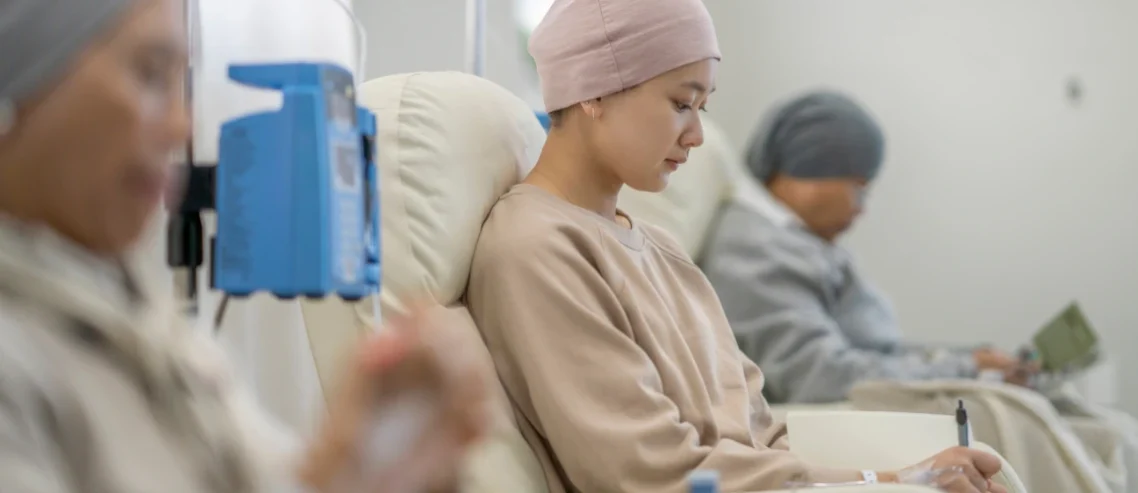
A new research conducted by the American Cancer Society discovered 17 types of cancer that are on the rise for Gen X and Millennials. Knowing one’s inherited cancer risk and maintaining an overall healthy lifestyle will be the keys to cancer prevention for Gen X and Millennials.
Discover the world’s top
health insurers.
Compare quotes with
a click of the button.
At Pacific Prime, we understand how cancers are among the chief health concerns for many. In this article, we delve into factors that experts are theorizing to be the causes of this alarming trend and how you can take proactive prevention against cancer.
17 Cancers on the Rise for Gen X and Millennials
New research by the American Cancer Society revealed 17 types of cancer that are increasing among Gen X and Millennials. These cancers include:
- Anal cancer in men
- Cardia gastric cancer
- Colorectal cancers
- Estrogen receptor-positive breast cancer
- Gallbladder and other biliary cancer
- Kaposi sarcoma in men
- Kidney and renal pelvis cancer
- Leukemia
- Liver and bile duct cancer in women
- Myeloma
- Non-cardia gastric cancer
- Non-HPV-associated oral and pharynx cancers in women
- Ovarian cancer
- Pancreatic cancer
- Small intestinal cancer
- Testicular cancer
- Uterine corpus cancer (endometrial cancer)
Among the 17 types of cancer, nine are cancers that are resurging among Gen X and Millennials after a decline in the previous generation. These nine resurging cancers include:
- Anal cancer in men
- Colorectal cancers
- Endometrial cancer
- Estrogen receptor-positive breast cancer
- Gallbladder and other biliary cancer
- Kaposi sarcoma in men
- Non-cardia gastric cancer
- Ovarian cancer
- Testicular cancer
Some cancers are also increasing exponentially among Gen X and Millennials such as kidney cancer, small intestinal and pancreatic cancers, and liver cancer in women. The research found these cancers to be diagnosed two to three times higher in people born in 1990 compared to people born in 1955.
Death rates from certain cancers have also been on the rise including liver cancer in women, colorectal cancer, testicular cancer, gallbladder cancer, and endometrial cancer.
However, even though certain cancer risks are on the rise for Gen X and Millennials, Dr. William Dahut, the chief scientific officer at the American Cancer Society, remarked that the overall risks remain low for the younger population.
Experts Theorizing Root Causes
It remains unclear what constitutes the root cause of this increase in cancer risk for Gen X and Millennials. However, experts have theorized that inherited genetic predisposition and early-life exposures are among possible factors for cancer diagnosis in young patients.
Inherited Genetic Predisposition
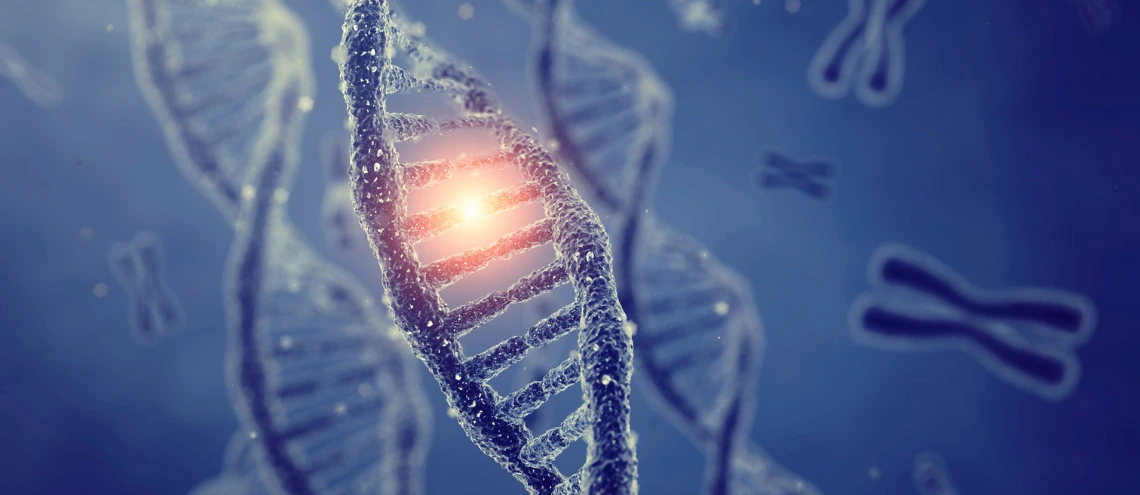
Inherited genetic predisposition refers to inheriting faulty genes with a high risk of cancer from your family. Having a family history of cancer does not necessarily mean there is a faulty gene in your family. Inheriting a faulty gene also does not mean you will develop cancer for certainty.
Inherited genetic predisposition happens when there is a faulty gene in an egg or sperm cell during the time of conception, and the faulty gene is then copied to all cells within the body, which then can be passed on from generation to generation.
Inheriting faulty genes means you might have a higher chance of developing a certain type of cancer than other people and might be more likely to develop cancer at a younger age. However, this does not mean you will definitely develop cancer in life.
Gene specialists estimated that only 5 to 10% of diagnosed cancers are due to inherited gene faults. Some gene faults also increase the risk of cancer only minimally while some might lead to a much higher risk of cancer.
Early-Life Exposure

Early-life exposure refers to being exposed to elements that can cause our genes to change and develop cancer at a young age. These elements are such as cigarette smoke, radiation, HPV infection, or chemicals in our environment and the products we consume.
Underlying conditions such as ‘obesity’ are also among early-life exposures that increase cancer risk.
Out of 17 cancers that are emerging among Gen X and Millennials, 10 are obesity-related such as colorectal cancer, estrogen receptor-positive breast cancer, and pancreatic cancer.
This trend coincided with the exponential increase in obesity among adults and children around the world since 1990, with the obesity rate increasing by two times in adults and four times in children.
Compounded factors have been pointed out as the causes for this dramatic rise in obesity, including genetics, metabolic disorders, unhealthy lifestyles, and systemic issues that prevent people of lower-income backgrounds from accessing healthcare and nutritious food.
Taking Proactive Cancer Prevention
With cancer risk on the rise in Gen X and Millennials, there are certain ways we can take a proactive stance for cancer prevention. These include:
Learning about Your Family History and Cancer Genetics
Cancers under the age of 50 are likely to be found in people with a strong family history of cancer or from inheriting genetic risk from their family.
By looking into your family history and learning about which relatives get diagnosed with what cancer and at what age, you and your doctor can get a clue of whether there are genetic risks running in your family and if you have a higher risk for certain kinds of cancer or not.
If your doctor determines that you have a higher risk of developing a certain kind of cancer, your doctor might recommend you undergo a different kind of screening or receive screening at a younger age, such as in the case of colorectal cancer.
Keep Track of Any Symptoms Out of Ordinary
Apart from looking into your family history, it is also advisable to keep track of any kind of concerning symptoms that are out of the ordinary and persist over a period of time. Some symptoms that you might want to look for are such as rectal bleeding, breast pain, or abnormal vaginal bleeding.
Take Care of Your Overall Health
There are many cancer risk factors in our daily lives, and some can be hard for us to prevent such as air pollution or environmental contamination.
By maintaining an overall healthy lifestyle, with nutritious diets and regular exercises, we give our bodies a solid foundation against other potential illnesses and underlying conditions such as obesity that could aggravate our cancer risk.
Ensuring Your Access to Healthcare Wherever You Are
Health insurance can be an important step in ensuring your access to healthcare and screening, especially if you are an expat or traveling professional.
At Pacific Prime, we help our clients find the right insurance plan that suits their needs and budgets.
Whether there is a pre-existing condition, or if you are looking for additional coverage for preventative care, let us help you find the right plan that will ensure your access to healthcare and medical service wherever you are and wherever you go.
Contact us and get a FREE, no-obligation plan comparison today!
- The 5 Best Travel Insurance for a Trip to Bangkok – August 22, 2025
- Navigating the Australian Health Insurance System – August 8, 2025
- How to Choose the Right International Hospitals for Expats – July 11, 2025



Comments