300x85-png.webp)


 Hong Kong
 Singapore
 China
China Dubai
Dubai Thailand
 United Kingdom
 Mexico
When choosing an international hospital, expats should look for the hospital’s accreditations, the physicians’ licenses and certifications, available language supports, payment options, as well as available equipment and specialists.
Discover the world’s top
health insurers.
Compare quotes with
a click of the button.
Are you an expat living abroad looking for the best medical care in your area? Are you unsure how to find a hospital that will offer the unique services you need as an expat?
Seeing doctors abroad can be a stressful experience. Here is Pacific Prime’s guide to what you should look for when choosing an international hospital. We’ll cover hospital accreditations, physician licenses, and more. Read on, or seek out direct help from an experienced broker.
Look Up the Hospitals’ Accreditation
Consider the hospital’s accreditations for the standard of their operation when compared to international and independent standards as you look for your hospital of choice. It is also prudent to double-check their status with the relevant authority of their country.
Several international accrediting organizations have a list of healthcare providers that meet their standards, such as Joint Commission International (JCI) and the International Society for Quality in Healthcare.
Some countries also have online databases of authorized public and private healthcare providers run by relevant public health authorities. This can give you a better peace of mind that the hospitals are fully recognized and authorized to operate within the country.
Look Up Physician’s License
Check the licenses of your physicians to make sure that they are properly certified and licensed to practice in their countries. Some databases will also include each physician’s specialty, ensuring you truly meet the right doctor for your condition.
You can check the websites of relevant public health authorities or professional councils to make sure your physicians have valid practicing licenses. Some may also include the physicians’ specialty and contact address, making it easier for you to locate the physicians that can cater to your needs.
Consider Fully Integrated Hospitals Over Clinics or Health Centers
Fully integrated hospitals are often better equipped to deal with major medical care and possible complications compared to smaller clinics or health centers.
Fully integrated hospitals often have all major specialty and facilities available, including emergency care, intensive care units, operation theaters, MRI, CT scan, and more.
The fact that fully integrated hospitals have all specialties and facilities onsite also means collaboration and referral between each specialty is easier and more seamless. You can have all aspects of your health cared for in one place.
This will often be easier for your payment and insurance claims as well.
Make Sure Language Support is Available
Many international hospitals have interpretation and translation services available. It is best to make sure they can provide support in your language of choice.
Communication is crucial in your care process, whether you are communicating your conditions or your physicians are explaining the process of your care.
You may also need your health record for further care in your country. It will be most convenient if your hospital can provide all records in your language of choice.
Check the Billing and Insurance Options
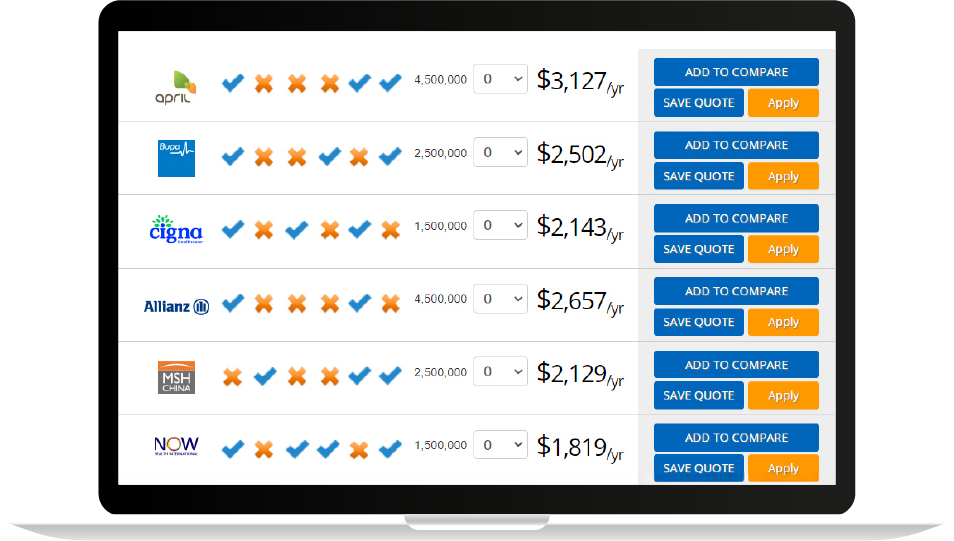
Major international hospitals are likely to have agreements with major insurers, making your billing and claiming process easier. Therefore, it is recommended to check their billing and insurance options for a hassle-free payment process.
The best billing option is direct billing. When you are treated at an international facility with direct billing, the provider will send the bill directly to your insurance company without the need for you to pay for care first and then be reimbursed.
Direct billing saves you money and convenience since you don’t have to pay out of pocket and then file a claim for reimbursement with your insurance, which can be time-consuming. Avoiding out-of-pocket payment upfront can also ease financial stress, especially for costly medical procedures.
Compare Other Services You May Need
It doesn’t hurt to look for some additional comfort you may need from your hospital, such as hotel arrangements, airport transportation, immigration assistance, or dedicated health concierge service.
Make Sure Your Stay Is Covered
We understand expats’ concerns and anxiety when navigating an unfamiliar healthcare system abroad. After all, this is what draws many expats to international hospitals, though they can be pricey compared to alternatives like public hospitals.
That is why the team of insurance advisors at Pacific Prime is dedicated to our job. We want to make sure that expats globally have sufficient insurance coverage and seamless access to their healthcare abroad.
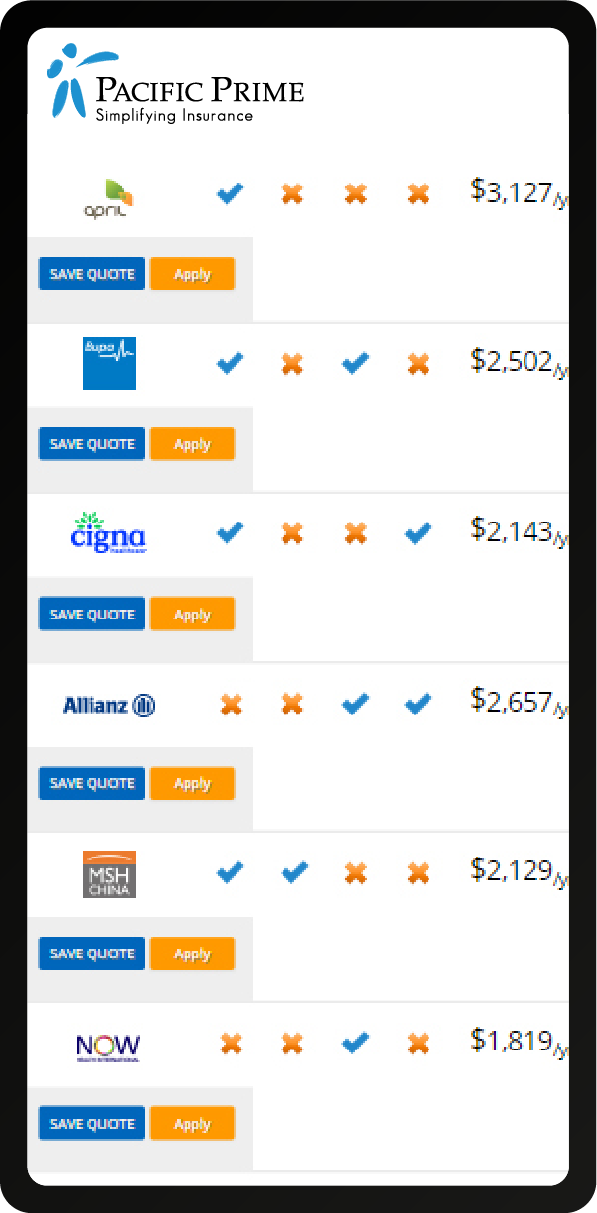
Contact us today for insurance advice that is tailored to your needs and free plan comparisons to make sure you get the best plan for your budget.
- The 5 Best Travel Insurance for a Trip to Bangkok – August 22, 2025
- Navigating the Australian Health Insurance System – August 8, 2025
- How to Choose the Right International Hospitals for Expats – July 11, 2025


Comments