300x85-png.webp)


 Hong Kong
 Singapore
 China
China Dubai
Dubai Thailand
 United Kingdom
 Mexico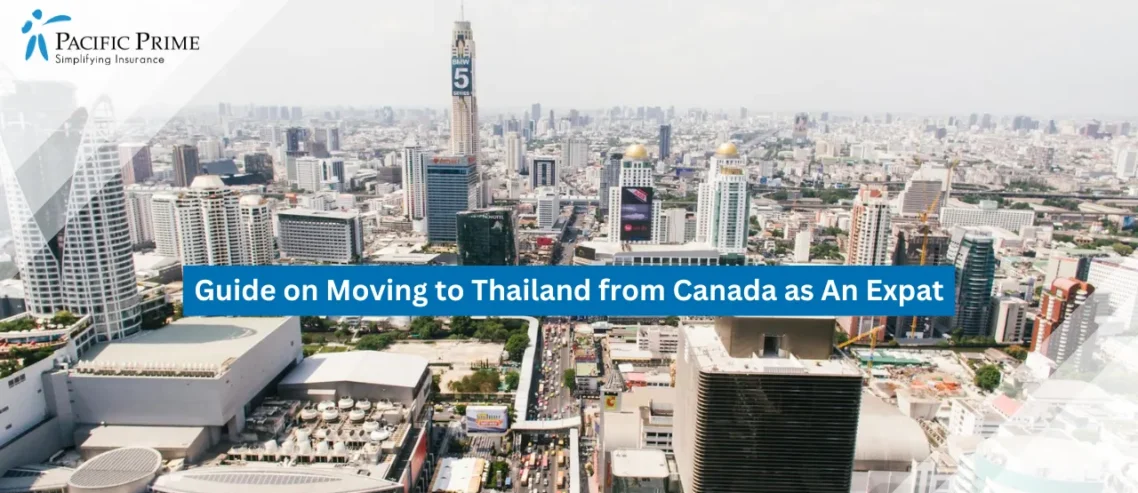
Thailand has become a top choice for Canadian expats, combining vibrant culture, tropical climate, and an affordable lifestyle. Many are moving for work opportunities, retirement, or simply a change in pace, making proper planning essential for a smooth transition.
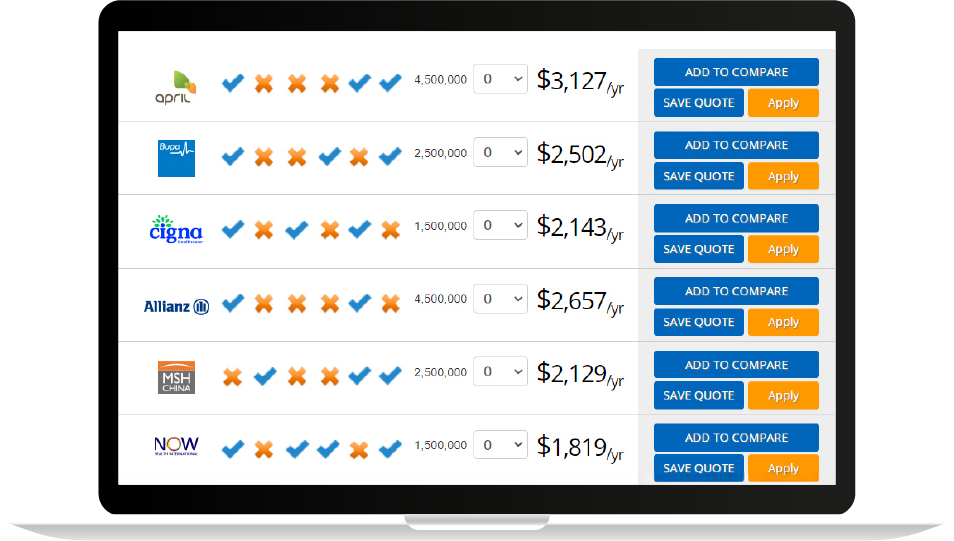
Discover the world’s top
health insurers.
Compare quotes with
a click of the button.
Are you unsure which visa to apply for? Wondering how to find suitable housing, manage your budget, or adapt to a new culture? Concerned about accessing quality healthcare abroad or dealing with emergencies? These are crucial questions for Canadians moving to Thailand.
In this Pacific Prime article, we provide a detailed guide for Canadians moving to Thailand. From visas and cost of living to housing, lifestyle adjustments, and securing international health insurance, we cover what you need to plan a safe and enjoyable move.
Preparing for Your Move from Canada to Thailand
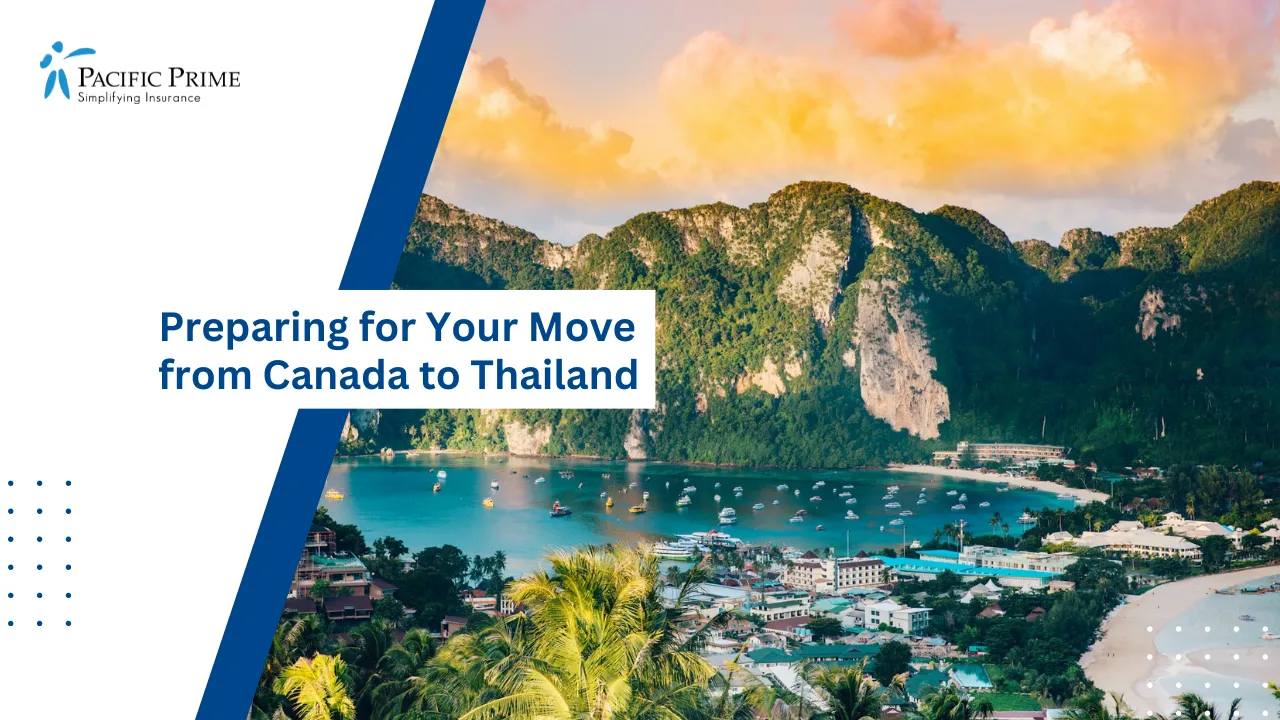
Before moving to Thailand, careful preparation is key. From choosing the right visa and understanding the cost of living to adapting to local culture and language, planning ahead ensures a smoother transition and a more enjoyable expat experience.
Visa Options for Canadian Expats
Canadian expats in Thailand have several visa options, including tourist, retirement, work, and education visas. Each comes with specific requirements, documents, and durations. Choosing the right visa early ensures a smooth entry and legal stay in Thailand.
Tourist visas are short-term and ideal for initial visits, while retirement visas suit those over 50 seeking long-term stays. Work and business visas require sponsorship from Thai employers. Education visas cover studies at Thai universities or language schools.
Understanding Thailand’s Cost of Living
The cost of living in Thailand is generally more affordable than in Canada, but costs vary by city. Rent, groceries, transport, and utilities can be significantly cheaper. Expats should budget carefully, considering lifestyle preferences, family size, and desired standard of living.
Living in Bangkok or Phuket may cost more than in Chiang Mai or smaller towns. Street food, local markets, and public transport help save money. Planning your finances before moving avoids unexpected expenses and allows a comfortable start in Thailand.
Cultural Adjustment and Language
Adapting to Thai culture is key to a smooth transition. Respecting customs, etiquette, and social norms helps build good relationships. Learning basic Thai phrases makes daily life easier and demonstrates respect for local traditions.
Understanding local holidays, traffic rules, and polite greetings can improve your expat experience. Engaging with the community, joining social groups, and embracing cultural differences make settling in Thailand easier and more enjoyable.
Logistics of Moving to Thailand
Relocating to Thailand requires more than packing. In this section, we cover key logistics for Canadian expats: shipping belongings, finding the right accommodation, handling banking and taxes, and understanding legal requirements for a smooth, stress-free move.
Shipping and Importing Personal Belongings
Shipping belongings from Canada to Thailand requires careful planning to meet customs rules, avoid extra fees, and ensure safe delivery. Preparing documents, understanding duty-free allowances, and selecting reliable movers reduces stress and delays.
Certain items are restricted or prohibited in Thailand, including some electronics, plants, and foods. Checking regulations in advance prevents surprises and ensures a hassle-free import process.
Duty-Free Importation Criteria
To qualify for duty-free importation of used household goods and personal effects, you must meet the following conditions:
- Residency Requirement: You should have been residing outside Thailand for at least 365 days before shipping your belongings.
- Import Timeframe: All goods must be imported within six months of your arrival in Thailand.
- Documentation: Shipments must be clearly marked as “Used Household Goods & Personal Effects.”
- One-Time Allowance: Duty-free imports are allowed only once per lifetime.
Items Subject to Duties
Be aware that items less than six months old may be subject to duties. It’s advisable to consult with Thai customs or a relocation specialist to determine if any of your belongings fall into this category.
Shipping Options
Several international moving companies specialize in shipping personal belongings from Canada to Thailand. Companies like Seven Seas Worldwide offer tailored services for expats, including packing, shipping, and customs clearance assistance.
Finding Accommodation
Finding the right home in Thailand is key to comfort and convenience. Options range from high-rise condos and serviced apartments in cities to villas and houses in quieter areas. Researching neighborhoods and rental processes ensures you secure a place that fits your lifestyle.
Leases typically involve deposits and contracts in Thai or English. Utilities, internet, and maintenance fees should be factored into your budget. Online platforms and real estate agents help find suitable long-term accommodation.
Popular Cities for Expats
- Bangkok: The capital city offers a vibrant urban lifestyle with a wide range of housing options, from high-rise condos to serviced apartments.
- Chiang Mai: Known for its relaxed atmosphere and lower cost of living, Chiang Mai is ideal for those seeking a quieter environment.
- Phuket: A popular destination for retirees and digital nomads, offering beachfront properties and a laid-back lifestyle.
Rental Process
The rental process in Thailand typically involves the following steps:
- Property Search: Utilize online platforms like DDProperty, DotProperty, and local real estate agents to find available properties.
- Viewing: Schedule property viewings to assess the condition and suitability of the accommodation.
- Lease Agreement: Once you’ve selected a property, negotiate the lease terms, including rent, deposit, and duration. Lease agreements are usually in Thai, so it’s advisable to have a translator or legal advisor review the contract.
- Documentation: Required documents may include your passport, visa, work permit, and proof of income.
Utilities and Additional Costs
When budgeting for accommodation, consider additional costs such as utilities (electricity, water, internet), maintenance fees, and potential furnishings. These costs can vary depending on the property type and location.
Banking, Taxes, and Legal Matters
Managing finances and legal obligations in Thailand is crucial. Opening a bank account, understanding local taxes, and complying with visa and work permit requirements ensure expats avoid legal problems and can handle day-to-day expenses smoothly.
Major banks require passports, visas, work permits, and proof of address. Canadian expats should also consider tax obligations in both countries and be aware of the double taxation agreement to prevent financial issues.
Opening a Bank Account
To open a bank account in Thailand as a foreigner, you’ll typically need:
- Valid Passport: Your passport must be valid for at least six months.
- Non-Immigrant Visa: A long-term visa, such as a Non-Immigrant O or B visa.
- Work Permit: If employed in Thailand, a valid work permit is required.
- Proof of Address: Documentation such as a rental agreement or utility bill.
Major banks like Bangkok Bank, Kasikorn Bank, and Siam Commercial Bank offer services tailored for foreigners. It’s advisable to visit the bank in person to complete the account opening process.
Tax Obligations
Understanding your tax obligations is crucial to avoiding legal issues:
- Canadian Tax Obligations: Canada taxes its residents on worldwide income. If you are leaving Canada, determining your residency status is essential to understanding your tax obligations.
- Thai Tax Obligations: Thailand imposes tax on all assessable foreign income brought into the country by its tax residents. Before 2024, tax residents were taxed only on income remitted into Thailand in the same year it was earned. However, as of January 1, 2024, Thailand has extended its tax laws to include all foreign income brought into the country.
- Double Taxation Agreement: Canada and Thailand have a Double Taxation Agreement (DTA) to prevent double taxation and allow expats to claim tax credits for taxes already paid in one country when filing in the other.
Legal Requirements
Familiarize yourself with Thai laws and regulations that may affect your stay:
- Work Permits: If you plan to work in Thailand, obtaining a work permit is mandatory. Working without a permit can lead to fines or deportation.
- Visa Extensions: Ensure your visa is valid and apply for extensions before expiration to maintain legal status.
- Business Ownership: Foreigners can own businesses in Thailand, but they must comply with the Foreign Business Act, which restricts certain business activities to Thai nationals.
Settling In as a Canadian Expat in Thailand
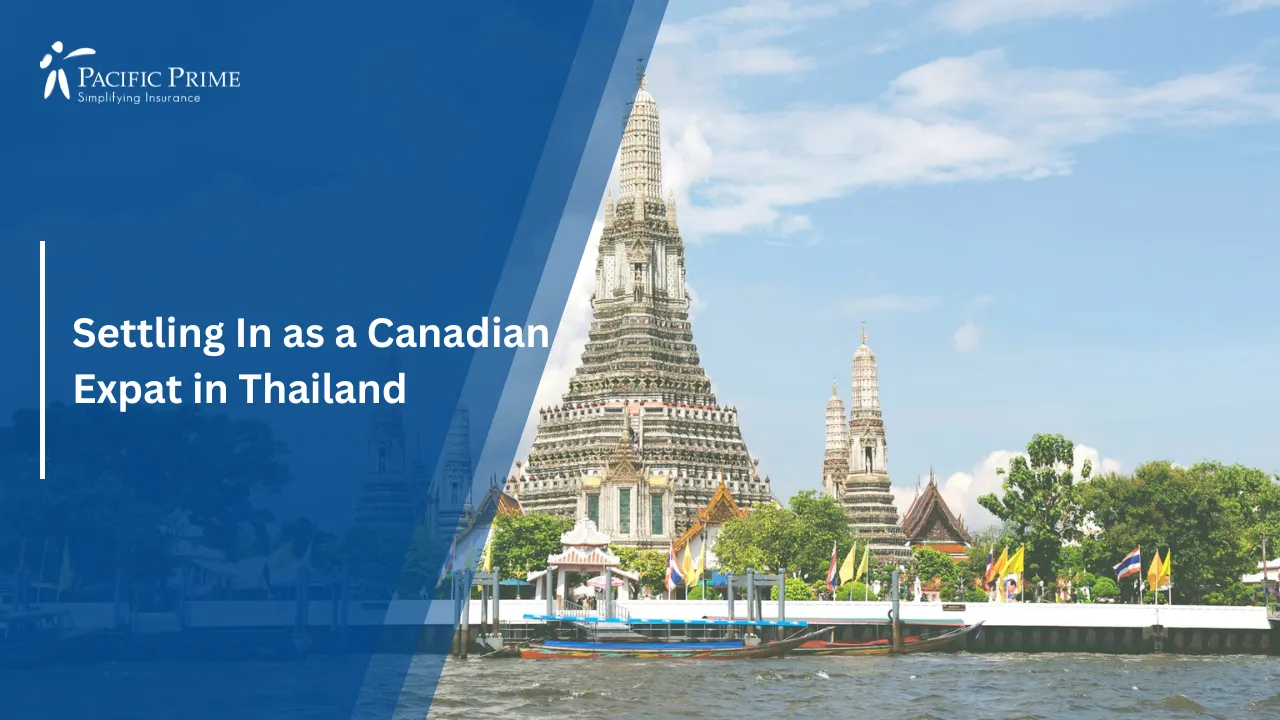
After moving to Thailand, integrating into daily life is essential for a fulfilling expat experience. This section covers building social connections, finding the right schools for children, and enjoying local culture, activities, and lifestyle.
Building a Social Network
Joining expat communities and social clubs helps newcomers connect, share experiences, and navigate daily life. Online groups, forums, and local meetups are valuable resources to meet fellow Canadians and other international residents.
Networking also opens opportunities for professional growth and cultural exchange. Engaging with locals and expats alike can lead to friendships, support systems, and invitations to events, easing the transition into Thai society.
Education and Schools
For families moving to Thailand, international and bilingual schools provide high-quality education with English instruction. Below is a detailed list of popular international schools favored by expat families:
Bangkok
- International School Bangkok (ISB)
- Location: Nichada Thani, Nonthaburi
- Curriculum: U.S.-accredited with elements of IB and AP
- Ages: 3–18
- Language of Instruction: English
- Annual Fees: THB 662,000–1,184,000
- Highlights: Established in 1951, ISB is renowned for its rigorous academics and extensive extracurricular programs.
- NIST International School
- Location: Sukhumvit Soi 15
- Curriculum: Full International Baccalaureate (IB) – PYP, MYP, DP
- Ages: 3–18
- Language of Instruction: English
- Annual Fees: THB 628,200–1,094,500
- Highlights: As Thailand’s first full IB World School, NIST offers a globally recognized curriculum with a strong emphasis on inquiry-based learning.
- Bangkok Patana School
- Location: Soi Lasalle, Bang Na
- Curriculum: British National Curriculum with IGCSE and IB
- Ages: 2–18
- Language of Instruction: English
- Annual Fees: THB 525,000–1,005,000
- Highlights: One of the largest and oldest British international schools in Bangkok, known for its strong academic performance and diverse extracurricular offerings.
- Shrewsbury International School Bangkok
- Location: Riverside and City campuses
- Curriculum: English National Curriculum with IGCSE and A-Level
- Ages: 2–18
- Language of Instruction: English
- Annual Fees: THB 691,000–1,208,400
- Highlights: Offers a world-class education with a focus on academic excellence and holistic development.
- Harrow International School Bangkok
- Location: Don Mueang
- Curriculum: British curriculum with IGCSE and A-Level
- Ages: 18 months–18 years
- Language of Instruction: English
- Annual Fees: THB 614,600–1,037,100
- Highlights: A co-educational day and boarding school emphasizing personal development, sports, and the arts.
- Regent’s International School Bangkok
- Location: Minburi
- Curriculum: British curriculum with IGCSE and A-Level
- Ages: 2–18
- Language of Instruction: English
- Annual Fees: Approximately THB 390,300–692,040 depending on grade level
- Highlights: Known for its strong academic program and emphasis on personal development.
Chiang Mai
- Chiang Mai International School (CMIS)
- Location: Hang Dong
- Curriculum: U.S.-accredited with AP
- Ages: 3–18
- Language of Instruction: English
- Annual Fees: Approximately THB 500,000
- Highlights: Offers a solid education with a focus on critical thinking and creativity.
- Prem Tinsulanonda International School
- Location: Hang Dong
- Curriculum: IB and U.S. accredited
- Ages: 2–18
- Language of Instruction: English
- Annual Fees: Approximately THB 500,000
- Highlights: Emphasizes holistic development and offers a range of extracurricular activities.
Phuket
- British International School Phuket (BISP)
- Location: Chalong
- Curriculum: British curriculum with IGCSE and A-Level
- Ages: 2–18
- Language of Instruction: English
- Annual Fees: Approximately THB 500,000
- Highlights: Offers a comprehensive education with a focus on academic excellence and personal development.
Enjoying the Lifestyle
Thailand offers rich cultural experiences, from street food and festivals to beaches and mountains. Exploring local cuisine, markets, and historic sites helps expats immerse themselves while discovering the country’s diversity.
Balancing work, social activities, and travel is key. Participating in cultural events, outdoor activities, and leisure experiences creates a well-rounded lifestyle and makes daily life in Thailand enjoyable for Canadian expats.
Street Food & Night Markets
Thailand’s street food scene is legendary, offering a plethora of flavors and dishes. Here are some notable spots:
- Yaowarat (Chinatown): A bustling area filled with vendors offering a variety of dishes such as dim sum, grilled seafood, and traditional Thai sweets.
- Wang Lang Market: Located near Siriraj Hospital, this market is popular among locals and offers a wide range of affordable Thai dishes.
- Jodd Fairs: A newer night market that has quickly gained popularity, offering a mix of street food, shopping, and entertainment.
- Khao San Road: Known for its vibrant atmosphere, this area offers a mix of street food, bars, and shops, attracting both locals and tourists.
Festivals & Cultural Events
Thailand’s festivals are vibrant and offer a glimpse into the country’s rich traditions:
- Songkran Festival (April): Celebrates the Thai New Year with water fights, temple visits, and family gatherings.
- Loy Krathong (November): A festival where people release floating lanterns and lotus-shaped baskets into rivers to pay respects to the water spirits.
- Chinese New Year (January/February): Celebrated in areas like Yaowarat, featuring dragon dances, fireworks, and traditional Chinese foods.
- Bangkok International Festival of Dance & Music: An annual event showcasing performances from around the world, including ballet, opera, and traditional dances.
Outdoor Activities & Nature
For those seeking adventure and nature, Thailand offers various activities:
- Longtail Boat Canal Tour: Explore the traditional canals of Thonburi, offering a glimpse into local life.
- Cycling Tours: Join guided bike tours through Bangkok’s hidden gems, including ancient temples and local neighborhoods.
- Weekend Getaways: Visit nearby destinations like Ayutthaya, Kanchanaburi, or Hua Hin for a quick escape from the city.
- Cooking Classes: Learn to prepare traditional Thai dishes at local cooking schools, often combined with visits to markets to source ingredients.


Health and Safety Considerations
Ensuring health and safety is paramount when relocating to Thailand. This section delves into the healthcare system, necessary vaccinations, preventive care, and emergency preparedness, providing Canadian expats with the essential knowledge to navigate health-related aspects of their new life in Thailand.
Healthcare in Thailand
Thailand’s healthcare system is renowned for its quality and affordability, attracting medical tourists globally. The country offers a mix of public and private hospitals, with private facilities often meeting international standards and catering to expats seeking high-quality care.
Public vs. Private Hospitals
- Public Hospitals: Generally more affordable but may have longer wait times and limited English-speaking staff. They are suitable for routine treatments and emergencies.
- Private Hospitals: Offer shorter wait times, higher standards of care, and English-speaking staff. They are preferred by many expats for specialized treatments and routine check-ups.
Popular Expat-Friendly Hospitals
- Bumrungrad International Hospital (Bangkok): A JCI-accredited facility renowned for its advanced medical technology and multilingual staff. It offers a wide range of specialties, including cardiology, oncology, and orthopedics.
- Bangkok Hospital (Bangkok): Known for its comprehensive services and specialized centers, such as the Bangkok Heart Hospital and the Bangkok Cancer Center.
- Samitivej Sukhumvit Hospital (Bangkok): Offers a family-friendly environment with a focus on pediatric and maternity care.
- Phuket International Hospital (Phuket): Provides quality healthcare services with a focus on medical tourism.
- Chiang Mai Ram Hospital (Chiang Mai): A reputable hospital offering a range of medical services with English-speaking staff.
Standards of Care and Wait Times
Private hospitals in Thailand adhere to international standards, often accredited by organizations like the Joint Commission International (JCI). Wait times are typically shorter, and the quality of care is high, making them a preferred choice for many expats.
Vaccinations and Preventive Care
Canadian expats must prepare for tropical diseases and region-specific health risks. Beyond routine vaccines, awareness of dengue, malaria, and food-borne illnesses, along with preventive measures and checkups, ensures safety and reduces potential medical emergencies.
Recommended Vaccines for Canadians Moving to Thailand
- Routine Vaccines: Ensure that standard vaccinations, such as measles, mumps, rubella (MMR), diphtheria, tetanus, pertussis, varicella, polio, and influenza, are up to date.
- Hepatitis A and B: Recommended due to the potential for exposure through contaminated food, water, or blood products.
- Typhoid: Especially important for those planning to travel to rural areas or consume street food.
- Japanese Encephalitis: Consider if spending extended periods in rural areas or engaging in outdoor activities during the evening.
- Rabies: Recommended for those who will be in close contact with animals or spending time in rural areas.
Routine Checkups and Tropical Disease Prevention
Regular health checkups are essential for early detection and prevention of diseases. In Thailand, it’s important to be aware of tropical diseases such as dengue fever and malaria.
- Dengue Fever: Transmitted by mosquitoes, it’s prevalent in urban and rural areas. Preventive measures include using mosquito repellents, wearing long-sleeved clothing, and eliminating standing water where mosquitoes breed.
- Malaria: Found in certain rural areas. Preventive measures include taking antimalarial medications as prescribed and using mosquito nets.
Emergency Preparedness
Emergencies in Thailand require quick access to services, including ambulances, police, and fire response. Knowing local numbers, response times, and having comprehensive international insurance ensures Canadians can secure immediate, high-quality care during critical situations.
Emergency Services and Local Numbers
- General Emergency Number: Dial 191 for police, fire, or ambulance services. English-speaking operators are available, especially in urban areas.
- Tourist Police: Dial 1155 for assistance with language barriers and tourism-related issues.
- Ambulance Services: Dial 1669 for ambulance services. Response times may vary depending on the location.
- Fire Department: Dial 199 for fire emergencies.
Why Expats Need International Health Insurance Before Moving
Before moving abroad, securing health coverage is one of the most important steps. Unexpected medical emergencies can be costly, and having reliable international health insurance ensures Canadian expats can access quality care in Thailand and worldwide.
The Importance of Health Coverage Abroad
Thailand offers excellent private healthcare, but costs for foreigners can be high. Even routine procedures or minor emergencies can become expensive, making insurance a crucial part of financial planning for Canadian expats.
Without insurance, unexpected medical bills can quickly add up, creating stress and financial strain. Health coverage also provides access to a wider network of hospitals and clinics, ensuring timely treatment when needed.
How Pacific Prime Can Help Canadian Expats
Pacific Prime is a trusted international insurance broker that helps expats compare plans from top global insurers. They offer personalized advice to ensure coverage matches individual needs, including inpatient and outpatient care.
Additional benefits include medical evacuation, repatriation, and cashless treatment at private hospitals in Thailand. With Pacific Prime, Canadian expats gain peace of mind knowing they are protected wherever they go.
Choosing the Right Plan Before Moving
When selecting a plan, factors like age, pre-existing conditions, stay duration, and coverage limits are essential. Planning ahead ensures seamless access to healthcare from day one in Thailand, avoiding gaps or delays in treatment.
Direct billing networks and global coverage make medical visits easier. Securing insurance early gives expats confidence to explore Thailand fully while knowing emergencies won’t derail their plans or finances.
Frequently Asked Questions
Can a Canadian move to Thailand permanently?
It is possible for Canadians to move to Thailand permanently. To qualify for Thai permanent residency, applicants must hold a non-immigrant visa for at least three consecutive years and have received yearly extensions during that period before applying.
Does Canada have a double tax agreement with Thailand?
Canadian expats can benefit from the Double Taxation Agreement (DTA) between Canada and Thailand, which prevents double taxation on the same income. To qualify, they must show proof that taxes on the remitted income have already been paid in Canada.
Can I get my Canadian pension if I live abroad?
You may be eligible to receive Old Age Security pension payments while living abroad if you meet either of these conditions: you lived in Canada for at least 20 years after age 18, or you lived and worked in a country with a social security agreement with Canada.
Conclusion
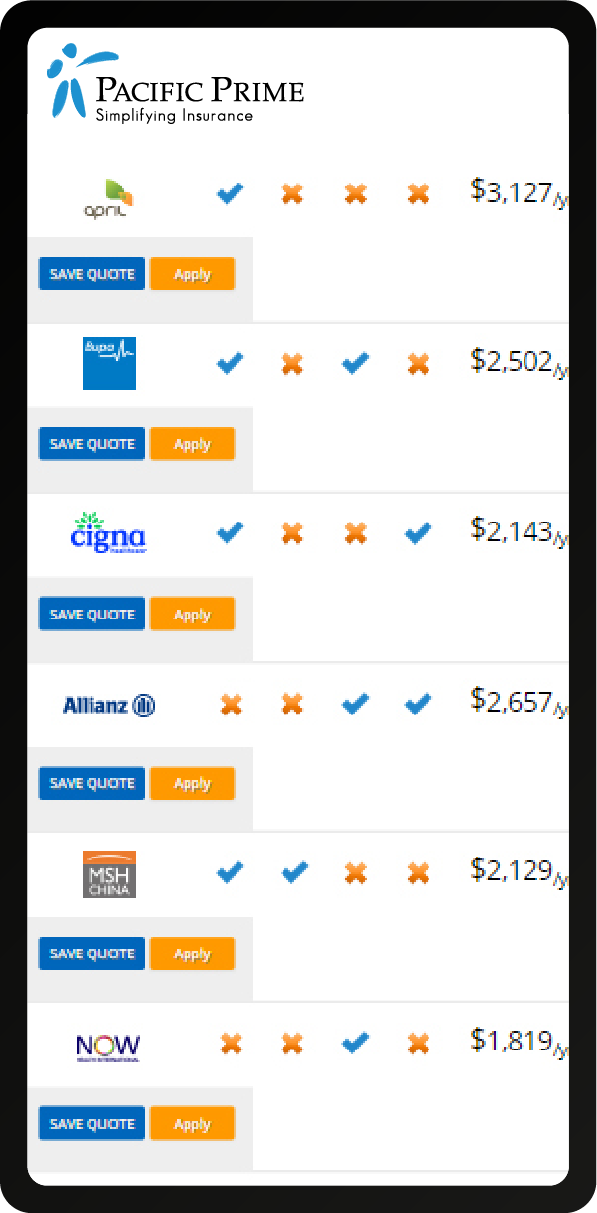
For Canadian expats moving to Thailand, the right international health insurance ensures protection from high medical costs and access to trusted hospitals. Plans cater to individuals, families, and long-term residents.
Coverage typically includes inpatient care, with add-on options such as outpatient, maternity, dental, optical, and wellness services, combined with global support and multilingual hotlines to simplify healthcare management for Canadians living abroad.
With over 25 years of experience, Pacific Prime makes selecting the right plan easy. Our advisors help Canadian expats compare coverage, manage claims, and handle renewals for a smooth healthcare experience in Thailand.
Contact us today and get a free quote. Our expert brokers guide you to the best plan, ensuring compliance, protection, and peace of mind for you and your family while moving to Thailand from Canada.

After obtaining his Bachelor’s Degree in Social Sciences, International Relations from Mahidol University International College, Veerabhatr has forged his career as a content writer in the travel, lifestyle, and real estate industries, writing in both English and Thai. He now continues to hone his skills as a writer at Pacific Prime, looking to engage and educate the audience by simplifying insurance.
Writer by day, and a DJ by night, Veerabhatr is a staunch music lover, and listens to all spectrums of genres available. He also loves to drink beer (moderately), eat all types of food, go to the beach, and learn about different cultures across the globe. He is also a die-hard fan of football and motorsports.
- How Much Salary Do You Need to Live Comfortably in Thailand? – October 22, 2025
- Guide on Moving to Thailand from Canada as An Expat – October 20, 2025
- Top Health Insurance in Thailand for Russian Expats: Options and Benefits – October 16, 2025


Comments