300x85-png.webp)


 Hong Kong
 Singapore
 China
China Dubai
Dubai Thailand
 United Kingdom
 Mexico
The C1 Visa, previously the B211A Visa, allows U.S. travelers to visit Bali for 60 days, with renewal options granting a 180-day maximum stay. This single-entry visa makes it easy for visitors to travel within Indonesia, but once they have left the country, they cannot re-enter on the same visa.
Discover the world’s top
health insurers.
Compare quotes with
a click of the button.
Are you planning your dream getaway to Bali and wondering how long you can stay in Indonesia? If you’re looking for more information to help you choose the right visa and to know how to apply, this article is for you.
In this guide, we’ll explain the C1 Visa and how it differs from other visa options, outline the qualifications for the visa, guide you through the steps of applying for the C1 visa, and more.
The C1 Visa Explained for US Expats and Travellers

The C1 Visa is popular among U.S. travelers heading to Bali and elsewhere in Indonesia because it allows them to stay in the country for up to 180 days. U.S. citizens with a valid passport can opt for a Visa On Arrival (VOA), but the VOA only allows for a total 60-day trip, even with renewal.
Standard processing for the C1 Visa takes five to ten business days and costs IDR 2,500,000–3,000,000 (USD $155–186). For expedited processing, expect to pay anywhere from IDR 4,000,000 (USD $248) for completion in three to four days and up to IDR 13,000,000 (USD $806) for same-day processing.
If you choose to extend your visa past the initial 60-day limit, the cost is about IDR 1,800,000 (about USD $111.54).
Differences Between the C1 and Other C Visas
The C1 Visa is meant only as a tourist visa, so you can visit family and friends, see sites, and even attend conventions. However, you cannot provide services or make money while in Indonesia on the C1 Visa. Other C Visas include:
- C2 Business Visa: The C2 Visa allows you to carry out business, such as holding meetings; purchasing goods; checking goods at the office, factory, or production site; and discussing contracts.
- C6 Social and Volunteer Visa: The C6 Visa is meant for those participating in or leading social programs, humanitarian assistance, or volunteer programs in Indonesia.
- C10 Event Speaker and Presenter Visa: Speakers, lecturers, presenters, or public figures who will present at conventions or exhibitions should select a C10 Visa.
- C10A Religious Preacher Visa: The C10A Visa allows preachers and similar religious leaders to participate in meetings, incentives, conventions, and exhibitions or other similar activities while in Indonesia.

Other Bali Visa Options for U.S. Travelers
Two of the most popular visa options for U.S. travelers in Bali include the Visa on Arrival (VOA) and the D Visa. Let’s break down each of these alternative visa options.
Visa on Arrival (VOA)
The VOA is for tourists who plan to stay in Indonesia for 30 days or less, though VOA holders can renew their visa for an extended stay up to 60 days.
Travelers hoping to get a Visa on Arrival should apply online for the e-VOA or get it at designated ports of entry as soon as they arrive in Indonesia. Applicants will need a passport that is valid for at least six months, proof of sufficient funds, and a departure ticket.
Multiple Entry Visa (D1/D2)
Indonesia’s D Visa allows tourists to make multiple trips to and from Indonesia with a single visa. This visa is valid for up to one year and individual visits up to 60 days.
Applicants seeking a D Visa must apply at an Indonesian embassy or consulate, making sure they bring their passport (which should be valid for at least 18 months), a recent passport-style photo, proof of sufficient funds, and other supporting documents like a travel itinerary.

How To Get a C1 Visa in Bali for US Expats
U.S. travelers applying for a C1 Visa can seek the help of an agent service or apply online through the Indonesian Immigration Department. To apply, ensure you have a passport with at least six months of validity, a personal bank statement showing at least USD $2000, and a recent color photograph.
The C1 Visa application is generally processed within five business days of submission, and you will be sent an email once your application is approved. This process may be extended if you provide incomplete or incorrect information.
Once you arrive in Bali, or elsewhere in Indonesia, you will be expected to fill out a Customs declaration form. U.S. travelers have the option to fill out this declaration form up to 72 hours before their arrival, and no sooner, but it must be completed before they can leave the airport.
You must also pay Bali’s local tourist tax, which is separate from other Indonesian government fees. The cost is IDR 150,000 per person (about USD $10). Be aware that scams for this tax are very common: only use the official site for payment.
Travel Insurance for Your C1 Visa in Bali
While travel insurance is not a requirement to enter Bali, it is highly recommended. Medical treatment is often only available to U.S. tourists at private hospitals, and required payments can be costly without insurance. Plus, travel insurance can cover costs for mishaps like missed flights.
Because infectious diseases like dengue and accidents like scooter collisions are fairly common in Bali, medical insurance coverage is a wise choice for your vacation.
If you experience a serious medical emergency, you may even need emergency evacuation to Singapore or Australia, which can cost tens of thousands of dollars without insurance.
What Travel Insurance Usually Covers in Bali
Some common coverage benefits for travel insurance include:
- Emergency Medical Coverage: Covers hospital stays, doctor visits, and urgent medical treatment if you get sick or injured in Bali. This is essential, as U.S. health insurance will not cover any potential medical costs abroad.
- Emergency Medical Evacuation: Pays for transportation to the nearest medical facility capable of treating your case or back to your home country if local care isn’t sufficient. This can include air ambulance services, which can cost as much as USD $350,000 without insurance.
- Trip Cancellation: Reimburses prepaid, non-refundable trip costs (like flights or hotels) if you must cancel your trip due to covered reasons, such as illness, injury, or death in the family.
- Trip Interruption: Covers unused portions of your trip or the cost of returning home early if an emergency forces you to cut your trip short, such as a family emergency or an injury.
- Travel Delay: Pays for meals and other expenses, such as a hotel, if your trip is delayed due to reasons like weather, mechanical issues, or airline problems, after a specified waiting period.
- Baggage Loss or Theft: Reimburses you if your luggage is lost, stolen, or damaged during your trip. This includes clothing, electronics, and personal items up to policy limits.
- Baggage Delay: Covers the cost of essentials (like clothes or toiletries) if your checked bags are delayed for a certain number of hours.
- Accidental Death and Dismemberment (AD&D): Provides a benefit to you or your beneficiaries if a covered accident results in your death or serious injury, such as the loss of a limb or eyesight.
- 24/7 Travel Assistance Services: Gives you access to a multilingual support line for help with medical referrals, emergency cash transfers, passport replacement, legal aid, or finding nearby clinics.
- Repatriation of Remains: Covers the cost of transporting your body back to your home country in the event of death during your trip.
If you plan on participating in adventure sports such as scuba diving, ziplining, or other high-risk activities in Bali, ensure that you talk to potential travel insurance providers about adventure coverage. While some providers do not offer this coverage, others offer it as an add-on rider.

How to Apply for Travel Insurance for Bali
To hit the sweet spot in price point and coverage value for your trip to Bali, first determine what coverage you need, then choose your provider, and enter your trip information. Compare policies from your chosen provider and purchase the policy that best fits your itinerary.
- Determine What Coverage You Need: Think about your trip details and personal health history. Consider the likelihood of needing emergency coverage, hospital stays, trip cancellation or interruption, lost or delayed luggage, and adventure sports coverage.
- Choose Where to Buy: While you can purchase travel insurance directly from an insurance company’s website, many prefer to enlist the help of a broker, who can help compare plans and rates and even help you with claims on your trip.
- Enter Your Trip Information: To begin comparing plans, you’ll need to provide your travel destination, travel dates, total trip cost, age, number of travelers, and type of coverage desired.
- Compare Policies: Review each of the benefits and limitations within those benefits, paying special attention to medical and evacuation coverage, deductibles, included and excluded benefits, provider reputation and reviews, and price.
- Purchase the Policy: Once you’ve selected a plan, you can fill in your traveler details and pay online by credit or debit card. You will likely receive your confirmation and policy documents via email.
Remember that the sooner you apply for travel insurance, the more likely you are to qualify for top benefits, such as cancel for any reason coverage; so, as soon as you know your trip itinerary, begin your travel insurance research and make a selection.
Providers like Allianz, IMG, and GeoBlue are among the most popular for U.S. vacationers in Bali. Visit our complete guide on the best travel insurance providers for Bali or the 10 best travel insurance providers.

Frequently Asked Questions
Who should get a C1 Visa?
All U.S. tourists who want to stay in Indonesia, including Bali, for at least 60 days, should get a C visa. This visa is good for a single entrance into the country and can be renewed to allow you to stay for up to 180 days.
Do I need health insurance to get a C1 Visa?
Indonesia does not require health insurance for visitors on a C1 visa. However, if you have an extensive medical history, international health insurance, short-term insurance, or travel insurance is highly recommended to ensure your safety and health while abroad.
Do I need travel insurance to get a C1 Visa?
Travel insurance is not required to visit Bali and elsewhere in Indonesia, but it is highly recommended since mishaps can arise on any trip, and medical expenses in Indonesia can be very costly. Adventure sport coverage and medical evacuation coverage are especially important for travelers in Bali.
Can I visit other areas of Indonesia with a C1 Visa?
As long as you do not leave Indonesia, you are free to travel throughout the country for the duration of your C1 Visa.
Can I still get a Visa on Arrival (VOA) as a U.S. traveler to Bali?
The Visa on Arrival is still available for U.S. travelers to Bali. Travelers can get a VOA ahead by applying online or wait to get it as soon as they arrive in Indonesia. Applicants will need a passport that is valid for at least six months, proof of sufficient funds, and a departure ticket.
What should my travel insurance include for Bali?
U.S. tourists vacationing in Bali should ensure their travel insurance covers scooter accidents, natural disasters, emergency evacuation, and adventure sports, in addition to common benefits like lost luggage or COVID-19 coverage. Direct billing is also highly desirable for Bali trips.
Conclusion
U.S. travelers headed to Bali now know just how to get a C1 Visa for their trip as well as their other visa options for short- or long-term trips. We’ve also covered why travel insurance is a necessity for your Indonesia getaway and how to find the best plan for your budget and vacation plans.
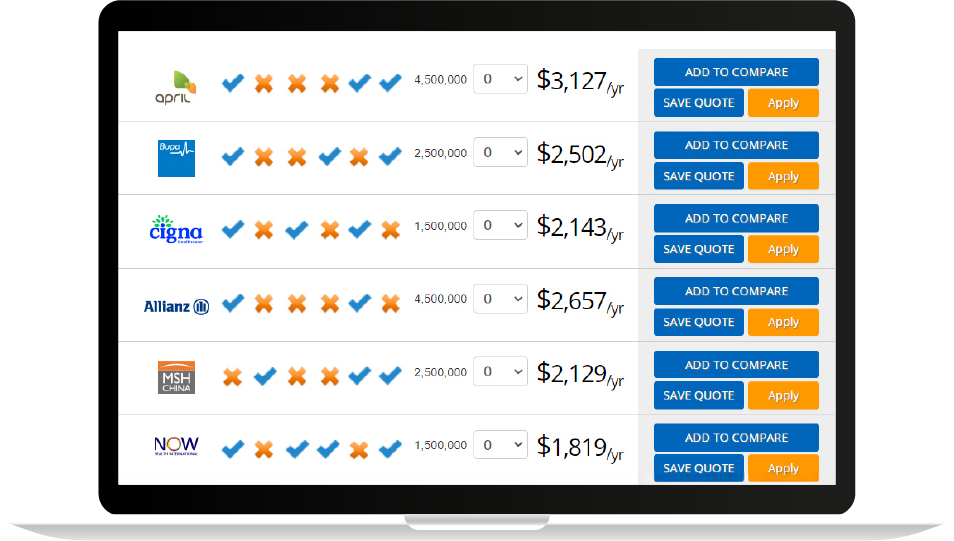
We know that finding the right plan on your own can be daunting, but Pacific Prime can help. With over 25 years of experience in the insurance industry, our professional brokers are ready to help you compare plans, retrieve quotes, and guide you to just the right plan for your needs.
Check out our free quote tool, or talk directly to a broker at 1-800-868-1451. If you found this article helpful, check out other related articles below:
- How to Get a Bali Visa for US Citizens: Types and Steps
- Tourist Tax in Bali: What International Travelers from the U.S. Should Know
- Indonesia Health Insurance for Expats
- Top 10 Health Insurance Providers for Expats in Indonesia
- Living in Bali as an American: Essential Expat Guide
- Relocating to Bali: Cost Guide for Expats
- Visa for Digital Nomads Traveling to Bali
Happy travels!


Serena earned her Bachelor’s Degree in Psychology from the University of British Columbia, Canada. As such, she is an avid advocate of mental health and is fascinated by all things psychology (especially if it’s cognitive psychology!).
Her previous work experience includes teaching toddlers to read, writing for a travel/wellness online magazine, and then a business news blog. These combined experiences give her the skills and insights she needs to explain complex ideas in a succinct way. Being the daughter of an immigrant and a traveler herself, she is passionate about educating expats and digital nomads on travel and international health insurance.
- How to Compare Travel Insurance Plans the Smart Way – October 21, 2025
- Best Hospitals in the UAE: Top Picks in Dubai and Abu Dhabi – October 21, 2025
- How Much is a Doctor Visit in Dubai Without Insurance? – October 21, 2025



Comments