300x85-png.webp)


 Hong Kong
 Singapore
 China
China Dubai
Dubai Thailand
 United Kingdom
 Mexico
The cost of living in Oceania can range from USD $1,045 to USD $3,300 for an individual and USD $3,700 to USD $7,200 for a family of four, excluding rent. The actual cost of living will ultimately depend on the city you’re moving to and your lifestyle.
Discover the world’s top
health insurers.
Compare quotes with
a click of the button.
Interested in moving to Oceania? In this article, we will talk about the cost of living in Australia and New Zealand. We’ll detail expenses from the cost of living to basic healthcare and explain top health insurance options to give you an extra layer of protection during your stay.
Cost of Living Overview in Oceania

Australia and New Zealand have some of the highest costs of living compared to other nations in Oceania. The cost of living in New Zealand for an individual ranges from USD $2,100 to USD $3,300, and in Australia, it is about USD $1,045, excluding rent.
Cost of Living in Australia
The cost of living in Australia is notably high, especially in major cities like Melbourne and Sydney. A single person can expect to spend around AUD 1,610 (USD $1,045) per month, while a family of four may require approximately AUD 5,712 (USD $3,700) monthly.
Food and Grocery Costs in Australia
Food and grocery expenses in Australia are significant. On average, Australians spend around AUD 204 (USD $135) per week on groceries, leading to a total monthly grocery cost of approximately AUD 800 (USD $540).
Housing Costs in Australia
Housing costs vary significantly based on location. The median monthly rental prices range from AUD 2,400 to AUD 3,335 (USD $1,584 to USD $2,201). Renting a one-bedroom apartment in the city center averages AUD 2,120 (USD $1,380), with Sydney being particularly expensive at AUD 3,325 (USD $2,160).
Healthcare Costs in Australia
Australia provides free to low-cost public healthcare through the Medicare system for citizens and permanent residents. However, expats and temporary residents are not covered by Medicare and must rely on private health insurance.
The cost of outpatient consultations typically ranges from AUD 80 to AUD 120 (USD $52.80 to USD $79.20), while inpatient stays can cost around AUD 2,000 (USD $1,320) for a standard overnight bed.
Private health insurance is essential for expats, as healthcare costs can be substantial without coverage. For instance, common surgical procedures can cost thousands of dollars, with cataract surgery priced at AUD 4,650 (USD $3,069) and a cesarean section at AUD 12,300 (USD $8,118).
Cost of Living in New Zealand

For individual expats, the cost of living in New Zealand is approximately NZ$ 3,500 to NZ$ 5,500 (USD $2,100 to $3,300) per month. Families will need around NZ$ 7,500 to NZ$ 12,000 (USD $4,500 to $7,200) per month to live comfortably.
Costs for Food and Groceries in New Zealand
Food costs are relatively high, with meals at local restaurants ranging from NZ$ 20 to NZ$ 40 (USD $12 to $24). Grocery prices are also significant, especially for imported goods, which can be 30%–50% more expensive than local products.
Housing Costs in New Zealand
Housing costs vary significantly depending on the city. In Auckland and Wellington, rent for a one-bedroom apartment averages between NZ$ 2,500 and NZ$ 3,500 (USD $1,500 to $2,100). In Christchurch, rent is more affordable, ranging from NZ$ 1,800 to NZ$ 2,500 (USD $1,100 to $1,500).
Expats often reduce costs by sharing accommodation or “flatting,” with room rentals starting around NZ$ 1,200 to NZ$ 1,800 (USD $720 to $1,100).
Transportation costs in New Zealand
Transportation in New Zealand includes public transport options, with fares starting at NZ$ 2.50 (USD $1.50) per ride and monthly passes costing around NZ$ 150 (USD $90). Petrol prices are higher than average, at about NZ$ 3 (USD $1.80) per liter.
Healthcare Costs in New Zealand
New Zealand offers free public healthcare for residents, but many expats prefer private healthcare for quicker access to services. General practitioner (GP) visits typically cost residents between NZ$ 20 and NZ$ 50 (USD $12–$30), while nonresidents may pay between NZ$ 75 and NZ$ 120 (USD $45–$72).
Specialist consultations through private services can cost between NZ$ 150 and NZ$ 300 (USD $90 to $180). Private health insurance plans range from NZ$ 1,200 to NZ$ 5,000 (USD $720 to $3,000) annually, depending on the coverage selected.
Most prescription medications in New Zealand have a standard copayment of NZ$ 5, while non-subsidized medications can range from NZ$ 20 to NZ$ 100 (USD $12 to $60).
Additionally, the Accident Compensation Corporation (ACC) scheme provides coverage for accidental injuries for all individuals in New Zealand, including tourists.
Frequently Asked Questions
What languages are spoken in Oceania?
English is the primary language in many nations in Oceania, especially Australia and New Zealand. Some Pacific Islands have their own indigenous languages.
What is the process for bringing pets to Oceania?
Regulations for bringing pets will vary by country. Most countries require vaccinations, health certificates, and may have quarantine requirements.
What is the job market like in Oceania?
Job opportunities will vary by country and sector. Major expat hubs, such as Australia and New Zealand, have strong job markets, especially in healthcare, IT, and engineering.
Conclusion
Understanding the cost of living across different countries in Oceania enables better planning and budgeting before relocating to the region. Being aware of healthcare costs can provide valuable insights into the type of coverage you’ll need for your health insurance plans.
Australia and New Zealand are among the largest expat hubs in Oceania, offering diverse job opportunities, high-quality healthcare, vibrant cultures, and supportive communities for newcomers. While healthcare is well-provided by the government, expats are still recommended to have insurance.
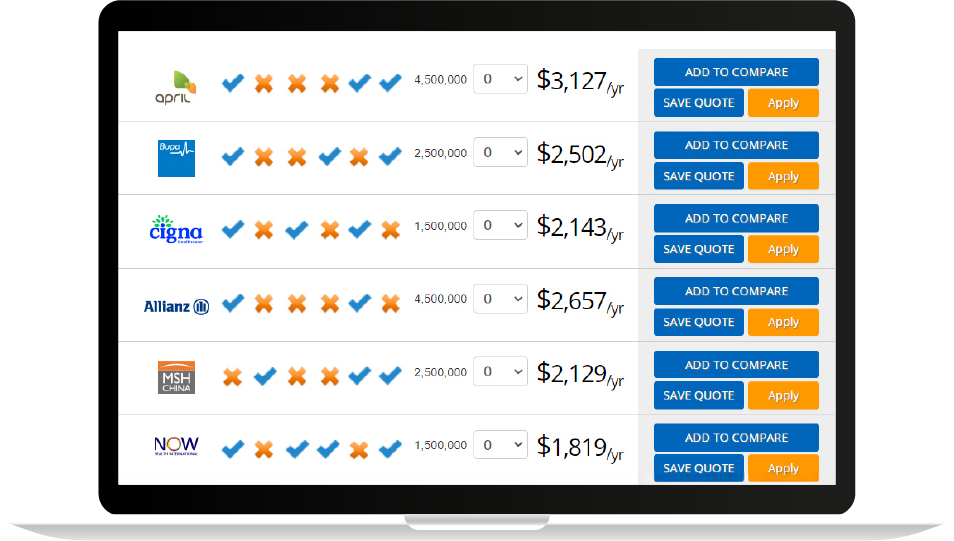
If you’re looking for a health insurance plan to stay insured, Pacific Prime can help simplify the process! With over 25 years of experience in the insurance industry, our expert advisors can filter through plans from our extensive list of insurance partners to help you find a plan that suits you.
Contact us today for impartial advice or an obligation-free quote!
If you’re still on the fence about whether Oceania is the destination for you, check out our guide on the Cost of Living in Europe!

Born and raised in the cultural melting pot that is Hong Kong, and having studied at an international school, Vista has developed a multicultural perspective that he uses in his writing and strives to connect to people of different backgrounds.
In his free time, Vista enjoys immersing himself in different worlds, from video games to light novels and movies. His hobbies help him expand his writing style by putting himself in the point-of-view of different people and characters.
- Best International Health Insurance Plans for Expats in Fiji – October 17, 2025
- Best International Health Insurance Plans for Expats in Kosovo – October 17, 2025
- How to Get UAE Citizenship in Dubai – October 17, 2025



Comments