300x85-png.webp)


 Hong Kong
 Singapore
 China
China Dubai
Dubai Thailand
 United Kingdom
 Mexico
American citizens relocating to Spain as expats can start their preparation by obtaining the proper visa, gathering essential documents, securing housing, and finding the right health insurance. Combine checklists like this with cultural prep to simplify your move and to make it more fun.
Discover the world’s top
health insurers.
Compare quotes with
a click of the button.
Are you a United States citizen hoping to move to Spain? Are you trying to find out what visa to get or how Spain’s healthcare system works?
This guide will walk Americans through the steps they should follow for a seamless transition to living as an expat in Spain. We will detail the types of visas and how to apply, give tips on securing housing in Spain, list top cities in Spain for expats, and much more.
Obtain the Proper Visa for Your Move from the US to Spain

The first thing an American should do when planning to move to Spain as an expat is secure the correct long-term visa. Some of the most common visas include a non-lucrative residence visa, a work visa, a digital nomad visa, a student visa, and an entrepreneur visa.
Non-Lucrative Residence Visa for US Expats in Spain
A non-lucrative residence visa allows individuals to live in Spain without work or professional activity as long as that individual can provide proof of sufficient financial means. A spouse or partner, as well as dependent children and relatives, may also obtain a non-lucrative residence visa.
To get a non-lucrative residence visa, make sure you have completed or gathered the following documents:
- A national visa application form for each person applying
- A non-working residence visa application form
- A passport-style photo
- An unexpired, valid passport
- Proof of residence in the consular district
- Proof of financial means, with the minimum being equivalent to 400% of Spain’s Public Multiple Effects Income Indicator (and 100% added for each additional family member)
- For those of working age, proof of a pension, proof of termination from your employer, or a notarized affidavit that you will not work while living in Spain
- A criminal record certificate issued by the native country within the last five years
- A background check that has been verified through fingerprint comparison
- A medical certificate that indicates that the applicant does not suffer from a disease that may cause serious issues in Spain, according to specifications in the 2005 International Health Regulations
- Proof of health insurance that meets regulations
Expats must also show proof of private or public insurance that meets requirements.
Those applying for a non-lucrative resident visa must not have any loans or mortgages in the United States. When applicants are ready, they can pay for their residence permit at the Consular Office with a money order only or online.
Work Visa for US Expats in Spain
A work visa allows expats in Spain to either work temporarily in Spain through a work contract, such as seasonal work, or it allows residents who plan to stay for more than 90 days to work long term in Spain. The following are required for those seeking a long-term work visa in Spain:
- A national visa application form
- A passport-style photo
- An unexpired, valid passport with a minimum validity of four months
- A completed 790-052 form
- A completed EX-09 form
- Proof of residence in the consular district
- Proof of Spanish employment that meets specifications, outlined below
- A criminal record certificate issued by the native country, issued in the last three months
- A medical certificate that indicates that the applicant does not suffer from a disease that may cause serious issues in Spain, according to specifications in the 2005 International Health Regulations
- Proof of identity
Types of work allowed through a Spanish visa include:
- Technicians or scientists
- Teachers, technicians, researchers, or scientists hired by a university
- Staff from Spanish-recognized renowned institutions
- Civil or military officials performing cooperative agreements
- Journalists or media specialists from outlets accredited by Spain
- Spanish-authorized scientific groups performing international research
- Religious ministers and the Church hierarchy recognized by Spain
Applicants will pay for their visa at the time they submit their application.
Digital Nomad Visa for US Expats in Spain
A digital nomad visa allows expats to live in Spain while working for a country outside Spain or while being self-employed. Applicants who are self-employed can also work for a company in Spain, so long as their income does not exceed 20% of the total professional income.
To qualify as a digital nomad, applicants must have an undergraduate degree or higher from a university or at least three years of work experience in their field. A spouse or unmarried partner, as well as dependent children or relatives, can also receive a digital nomad visa.
Importantly, all US citizens applying for a digital nomad visa must first apply for an NIE number before applying for their visa.
To apply for a digital nomad visa, gather and complete the following:
- A national visa application form
- A passport-style photo
- An unexpired passport with a minimum validity of at least one year
- A criminal record certificate
- Proof of residence in the consular district
- Proof of identity
- Proof of health insurance that meets regulations
- Proof that you have worked for at least three months for a foreign company for at least three months before the application
- Certificate from the Government Companies House, which verifies the creation of the company that employs the applicant
Applicants may pay their visa fee at the time they submit their application.
Student Visa for US Expats in Spain
Individuals coming to Spain for more than 90 days for studies, training, volunteer work, or internships may obtain a student visa. Spouses and civil partners, as well as minor-aged children or those with disabilities, may obtain a student visa.
To qualify for a student visa, the applicant must come to Spain to do one or more of the following:
- Full-time studies (at least 20 hours a week) at an accredited school to receive either a diploma, certificate, or degree
- Doctoral studies
- Exchange programs through an accredited secondary school
- Internships
- Volunteer services
- “Au pair” programs
- Teaching assistantships
Once you’re ready to apply for your student visa, ensure that you have the following:
- A national visa application form
- A passport-style photo
- An unexpired passport with validity for the duration of your studies
- Proof of acceptance for study
- Proof of financial means
- Proof of health insurance
- Criminal record certificate
- A medical certificate that indicates that the applicant does not suffer from a disease that may cause serious issues in Spain, according to specifications in the 2005 International Health Regulations
- Proof of residence in the consular district
- Proof of identity
- Authorization of legal representatives for minors
Applicants seeking a student visa in Spain will pay their fee at their visa appointment using a money order only.
Entrepreneur Visa for US Expats in Spain
An entrepreneur visa allows entrepreneurs, their spouse or unmarried partner, or their dependents to move to Spain to continue their business endeavors. To get your entrepreneur visa in Spain, gather the following:
- A national visa application
- A passport-style photo
- An unexpired passport with validity for at least one year
- A positive report from the ENISA on your entrepreneurial project
- Proof of financial means
- Criminal record certificate no older than six months
- Proof of health insurance
- Proof of residence in the consular district
- Proof of identity
Applicants must pay their visa fee at the time of their application.
Golden Visa for US Expats in Spain
While the Golden Visa was previously a popular way for Americans to obtain visas for Spain, the program ended as of April 3, 2025.
Health Insurance Requirements for Long-Term Visas in Spain
Comprehensive health insurance is a common requirement for most long-term expat visas in Spain. US citizens looking for insurance that meets regulations should note that travel insurance with medical coverage is not accepted. Health insurance requirements for expats in Spain include:
- Coverage of at least €30,000.
- Validity across Spain and the entire Schengen zone
- Comprehensive coverage, including emergencies, hospitalization, and repatriation.
- Coverage with no copay or deductible
- Coverage for one year
Why International Health Insurance is the Best Option for Expats in Spain
Basic private medical insurance generally covers the costs of inpatient treatments and daycare surgery, but it may not meet Spain’s expat requirements. International health insurance, on the other hand, ensures you receive comprehensive and portable high-quality care across Spain and worldwide.
Some of the benefits often included with international health insurance include:
- Worldwide coverage
- Inpatient and day patient care
- Cancer care
- Mental health care
- Emergency ambulatory services and ER care
- Palliative care
- Home nursing
- Lab work and testing
- Prescription medications
- Emergency dental care
- Rehabilitation
- Medical evacuation coverage
International health insurance allows expats to access top-tier facilities, enjoy shorter wait times, and find greater flexibility in providers. Expats who choose international insurance also enjoy bespoke plans, with flexible options for personalized riders beyond standard benefits.
To find a personalized plan that fits your budget and health needs, speak to our expert insurance advisors today as you prepare for your move to Spain. Alternatively, read through our expert list of the 10 best insurance providers for expats in Spain.
How to Secure Housing as a US Expat in Spain
The first step to renting or purchasing a home in Spain is obtaining your NIE (Número de Identificación de Extranjero). Once you’ve gotten your NIE and gathered other necessary documents, consult reputable websites or real estate agents, connect with other expats, and research top cities.
Getting Your NIE in Spain as a US Expat
The NIE (Número de Identificación de Extranjero) is a unique number assigned by Spain to foreigners that allows them to do things such as open a bank account, buy property, or even rent an apartment. You can get your NIE either at your Consular Office in America or directly in Spain.
Documents you’ll need to get your NIE include:
- A completed (but not signed) EX-15 standard application form
- Proof that you need an NIE
- The original and copies of the applicant’s valid passport
- If someone requests your NIE on your behalf, he or she must also have the original and a copy of their identity documents or passport along with an apostilled power of attorney statement
- Minors and those who are incapacitated must have a birth certificate or guardianship document in addition to the parent or guardian’s valid passport
- Proof of residence in the consular area
- A completed 790, code 12 form
The NIE generally costs about USD $10.
Finding Housing in Spain as a US Expat
Once you have obtained your NIE, securing housing in Spain is similar to finding housing in America. Utilize websites that are secure and reputable, such as Idealista, or get help from a real estate agent. Look to the expat community, and consider your needs, budget, and lifestyle.
Some top considerations when looking for housing should include:
- Your budget: While the cost of living in Spain is considered much lower than in the United States, make sure you have the necessary expenses allotted for your housing. Cities like Granada and Valencia will offer more cost-effective housing, while Madrid or Barcelona will dole out higher prices.
- Transportation: Consider whether you plan to live in the city center or the countryside. Having a personal car is not necessary in most areas with Spain’s trains, buses, and metros, but if you plan to live rurally, having a car is significantly more convenient.
- Work and Lifestyle: Do you need to be close to work? Do you want to live near other expats? Do you see yourself in a bustling city or a quieter atmosphere? Do you speak Spanish or plan to learn?
The Best Cities for US Citizens Moving to Spain
Some of the top cities for US expats in Spain include Andalusia, Barcelona, Madrid, Malaga, and Valencia. These cities boast a variety of climates, cultural immersion, and expat communities. To find our full list of the best places to live in Spain as an expat, head here!
- Andalusia: Andalusia offers a slower pace than some of the other cities on our list. With a competitively low cost of living and gorgeous scenery, it offers a tempting change for burnt-out Americans. Andalusia boasts warm, sunny weather and gorgeous beaches along its southern coast.
- Barcelona: Barcelona has a huge international community ideal for expats, and the sense of community is known for being strong. Pair that with a lively social scene and stunning architecture for a city dream.
- Madrid: Madrid offers great job opportunities as an economic hub. While it might be Spain’s most expensive city, it still falls far below most cost of living in America. Its central location makes it ideal for travel, and expats are also prevalent there, making it a clear contender for many expats.
- Malaga: Malaga beautifully blends the old with the new. A lively tech scene and modern architecture pair with the old. Malaga residents are also known for being particularly friendly to foreigners, so expats may feel more at home here.
- Valencia: Valencia is known as a hub for digital nomads. With over 300 days of sunshine a year, a low cost of living, and beautiful beaches, it’s a favorite for expats from around the world.
Top Tips for United States Expats Moving to Spain

Expats who have secured the proper visa and who are searching for the right home for their time in Spain should make sure they understand the country’s healthcare system and secure a TIE card. Let’s take a look at each of these tips below.
Understand the Healthcare System in Spain
Spain offers some of the best healthcare in the world through their universal healthcare system, Sistema Nacional de Salud (SNS). Spain’s decentralized system grants each region autonomous control to manage its own healthcare. The country also benefits from a thriving private healthcare system.
Expats who have lived in Spain for a year or who have a Spanish employer are eligible for public health insurance. To receive public care, expats must register with their local health center and obtain a TSI card. This card grants coverage for services such as primary care, hospital care, and more.
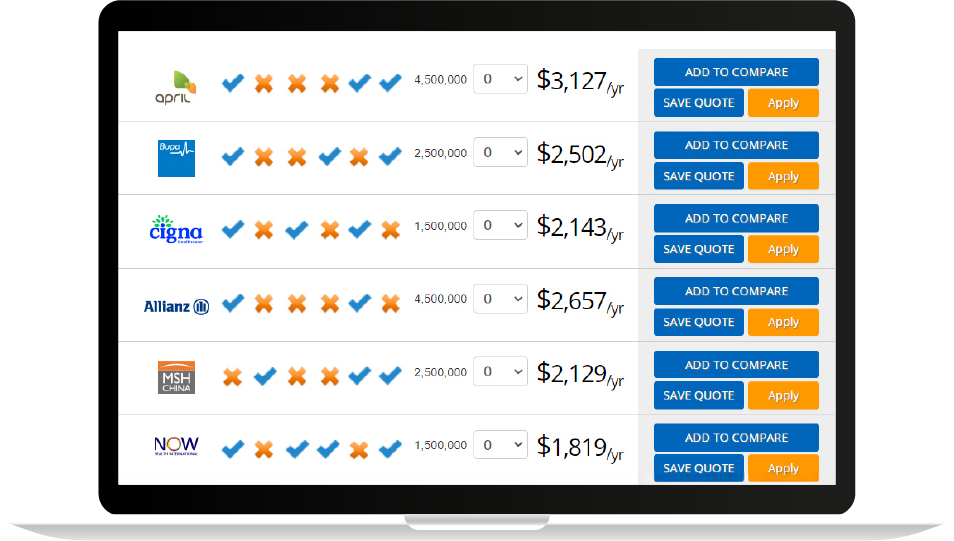
The private sector in Spain is a popular choice for expats and locals alike, since private insurance expands its coverage to give them the best services available. Top providers like Allianz, April International, AXA, and Cigna Global offer flexible options for expats.
Secure a TIE Card in Spain
Those staying in the country for more than six months must get their TIE (tarjeta de identidad de extranjero) in addition to their NIE. The TIE card verifies that you are legally allowed to reside in Spain as a foreigner. Expats should get their TIE card within the first month of living in Spain.
Frequently Asked Questions
Is Spain or the United States cheaper to live in?
Spain is known to have a significantly lower cost of living than the United States. You can learn more about Spain’s cost of living in Pacific Prime’s extensive guide. Expect to also pay lower than many other European countries, such as Germany, where it costs 33% more to live than Spain.
Where should American expats live in Spain?
Some of the best destinations for American expats in Spain include Andalusia, Barcelona, and Valencia.
Do I need a visa to visit Spain?
US citizens can stay in Spain for 90 days every 180 days without a visa. Those who hope to stay in the country long term should get the appropriate visa.
Conclusion
Expats moving from the United States to Spain can prepare to enjoy a lower cost of living, a beautiful landscape, and vibrant expat communities. To make their move easier, immigrants should secure the proper visa, understand Spain’s healthcare system, and get their NIE and TIE.
As you plan for your move, check out our Moving to Spain checklist, designed specifically for expats, or find out more about living in Spain as an American.
Experts at Pacific Prime can simplify your move by helping you find health insurance that meets visa requirements and that fits your lifestyle and budget. With over 25 years in the industry, our brokers can leverage their expertise and relationships with top providers to help you find the best plan.
Visit our free quote page, or talk directly with a professional broker at Pacific Prime to get started.

Jantra curates and reports on the results of Pacific Prime’s monthly newsletters, as well as manages Pacific Prime’s Deputy Global CEO’s LinkedIn posts. Complemented by her background in business writing, Jantra’s passion for health, insurance, and employee benefits helps her create engaging content – no matter how complex the subject is.
Growing up as a third-culture kid has given her a multicultural perspective that helps her relate to expats and their families while 8 years of working remotely have given her unique insight into hybrid work arrangements and enthusiasm for employee benefits.
- Jobs in Italy for Americans: Visa, Salary & Career Guide – October 15, 2025
- Healthcare in Singapore vs USA : Funding, Coverage, and Key Differences – August 15, 2025
- Living Abroad in the Philippines : Costs, Visas, and Expat Tips – August 12, 2025



Comments