300x85-png.webp)


 Hong Kong
 Singapore
 China
China Dubai
Dubai Thailand
 United Kingdom
 Mexico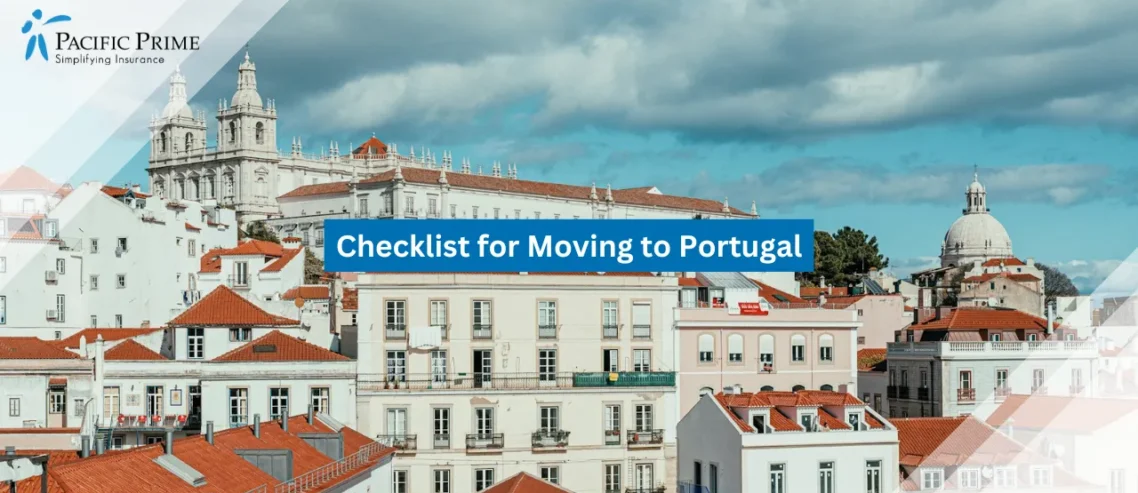
Those hoping to move to Portugal must secure the right visa, residency documents, international health insurance, a Portuguese tax number (NIF), a local bank account, and housing for their move abroad. Researching Portugal’s utilities, school options, and culture will also simplify the transition.
Discover the world’s top
health insurers.
Compare quotes with
a click of the button.
Are you hoping to move to Portugal but are unsure what visa to get? Or maybe you’re wondering how Portugal’s healthcare system works or what insurance coverage you may need.
Portugal’s charm lies in its sunny climate, relaxed pace, and welcoming communities. Whether you’re relocating for work, retirement, or a lifestyle upgrade, this Pacific Prime checklist will guide you through the steps of finding the right visa, securing international health insurance, and more.
Research Life in Portugal Before You Move

Before packing your bags, take time to understand what life in Portugal will look like for your family. This includes researching where to live, how much things cost, and what to expect day to day.
- Choose your region wisely: Lisbon and Porto are vibrant and international, while the Algarve offers coastal living. Central Portugal and the Alentejo are quieter and more affordable.
- Understand the cost of living: Portugal is budget-friendly compared to much of Western Europe, but prices vary by region. Lisbon is the most expensive, while inland towns are more affordable.
- Get to know the culture: Life moves at a slower pace in Portugal. Expect long lunches, friendly neighbors, and a strong sense of community. English is widely spoken in cities, but learning Portuguese helps.
- Climate and lifestyle: Portugal enjoys over 300 days of sunshine a year. Outdoor living is a big part of life, especially in the south. Beaches, hiking trails, and vineyards are never far away.
Visa and Residency Requirements In Portugal
There are different visa and residency requirements for EU and non-EU citizens to live and work in Portugal. Start by understanding which path applies to your situation.
For non-EU citizens, you’ll need a visa before entering Portugal for long-term stays. Common options include:
- D7 Visa: For retirees or those with passive income. Requires proof of funds and accommodation.
- Digital Nomad Vista: For remote workers earning at least €3,280 (USD $3,846.34) per month.
- Work Visa: For those with a job offer from a Portuguese employer.
Once your visa is covered, you also need to look into Portugal’s residency essentials:
- NIF (Número de Identificação Fiscal): A Portuguese tax number needed for banking, housing, and contracts.
- Residence Permit: Apply after arrival to stay long-term.
For EU/EEA/Swiss citizens, you don’t need a visa to enter or live in Portugal. However, if you stay longer than 90 days, you must register your residence at the local city hall (Câmara Municipal) and obtain an EU Registration Certificate (CRUE).
Important update: Portugal’s Non-Habitual Residency (NHR) tax regime ended in 2025. A new incentive scheme may replace it, so consult a tax advisor for the latest guidance.
Healthcare System in Portugal
Portugal has a dual healthcare system made up of public and private services. The public system, known as the Serviço Nacional de Saúde (SNS), offers universal coverage to all legal residents.
Public Healthcare (SNS)
Funded by taxes, the SNS provides low-cost or free care through hospitals, health centers, and clinics. Children under 18 and seniors over 65 often receive care at no cost. Services include general medicine, emergency care, and some specialist treatments.
- How to access public healthcare in Portugal: To use the SNS, you must register at your local health center and obtain a Número de Utente (health user number). This allows you to book appointments and access subsidized services.
Limitations of the Public System
While the SNS is reliable, wait times for non-urgent care can be long. English-speaking staff may be limited outside major cities. Dental and vision care are not fully covered unless you qualify as part of a vulnerable group.
Private Healthcare in Portugal
Private hospitals and clinics offer faster appointments, more personalized care, and a wider choice of English-speaking doctors. These facilities are common in Lisbon, Porto, and the Algarve, and are often used by expats and locals alike.
Why International Health Insurance Is Essential in Portugal
Portugal’s public healthcare system (SNS) is high quality but only available to residents. Wait times can be long, and English-speaking doctors aren’t guaranteed.
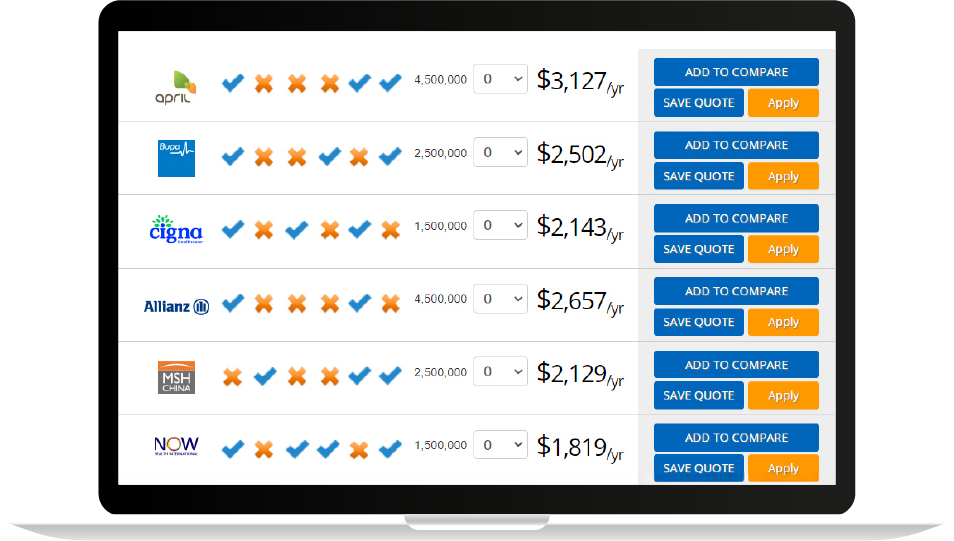
Private healthcare offers faster access and more flexibility. With international health insurance from Pacific Prime, you can access top-tier clinics, English-speaking doctors, and global coverage from day one.
Pacific Prime offers:
- Tailored expat health plans
- Direct billing with hospitals
- 24/7 support and claims assistance
- Coverage for families, retirees, and digital nomads
Work and Business Opportunities in Portugal

Portugal’s economy is growing steadily, with opportunities in tech, tourism, education, and renewable energy. Whether you’re job hunting or launching a business, understanding the local landscape is key.
Job Market Insights in Portugal
Lisbon and Porto are hubs for startups, digital services, and international companies. English-speaking roles are common in tech, customer service, and education. Remote work is also widely accepted, especially under the Digital Nomad Visa.
Work Permits and Contracts in Portugal
If you’re not on a remote work visa, you’ll need a valid work permit. Portuguese labor contracts vary—some are fixed-term, others indefinite. Make sure to review terms carefully and understand your rights under local labor laws.
Starting a Business in Portugal
Portugal welcomes entrepreneurs. You can register a business online or through a lawyer. Common structures include sole proprietorships and limited liability companies (LDA). You’ll need a NIF, a Portuguese bank account, and a business plan.
Support for Entrepreneurs in Portugal
Government programs like Startup Portugal offer grants, incubators, and tax incentives. Lisbon’s Web Summit and Porto’s innovation hubs make Portugal a great place to grow a business with global reach.
Freelancing and Self-Employment in Portugal
Freelancers must register with the tax office and the social security system. You’ll need to issue invoices (faturas) and file quarterly VAT returns if applicable. Many expats use accountants to stay compliant.
Language and Networking
While English is common in business circles, learning Portuguese helps with client relationships and local partnerships. Join coworking spaces, chambers of commerce, and expat entrepreneur groups to build your network.
Taxes and Financial Planning
Portugal’s tax system can be tricky for expats. Learn the basics early—like income reporting, residency rules, and available deductions–to avoid surprises and stay compliant with local laws.
Tax residency
You’re considered a tax resident if you spend over 183 days in Portugal in a year or have a permanent home there. This means you must report and possibly pay tax on your worldwide income.
NHR Update
Portugal’s NHR tax regime ended in 2025 for new applicants. A replacement scheme may offer similar benefits, but details are still evolving. Speak with a local tax expert to stay informed.
Double Taxation
Portugal has tax treaties with many countries to prevent double taxation. Even so, it’s wise to consult a financial advisor to ensure you’re not taxed twice on the same income.
Banking and Savings
Portuguese banks offer a range of services, from savings accounts to mortgages. Compare interest rates, fees, and expat-friendly features before opening an account.
Finding a Family-Friendly Place to Live in Portugal
Portugal offers diverse living options, from lively cities to quiet coastal towns. Whether you prefer urban energy or seaside calm, there’s a region to match your lifestyle, budget, and family needs.
Popular Expat Areas in Portugal
Portugal offers diverse living options, from lively cities to quiet coastal towns. Whether you prefer urban energy or seaside calm, there’s a region to match your lifestyle, budget, and family needs.
- Lisbon & Cascais: Urban, international, and full of amenities
- Porto: A cultural hub with a growing expat scene
- Algarve: Ideal for retirees and families who love the beach
- Coimbra & Braga: Affordable and family-friendly with good schools
Renting vs. Buying in Portugal
Most expats start by renting to explore neighborhoods before committing. Leases run six to 12 months, and you’ll need your NIF, ID, and proof of income. Deposits are usually one- to two-months’ rent, and furnished options are common in cities.
Looking for Comfort and Convenience in Portugal
When choosing a home, prioritize areas with green spaces, schools, and public transport. Walkable neighborhoods and access to shops, clinics, and parks can make daily life easier, especially with kids or pets.
Setting Up Banking, Utilities, and Legal Basics in Portugal
To settle in Portugal smoothly, you’ll need to open a local bank account, set up electricity, water, and internet, and handle legal paperwork like your NIF. Getting your essentials in order will make your first few weeks much easier.
- Open a bank account: Bring your passport, NIF, proof of address, and visa. Some banks offer expat-friendly services in English.
- Set up utilities: Electricity, water, gas, and internet usually have separate providers. EDP and Galp are common for energy. MEO and NOS offer bundled internet and mobile plans.
- Mobile and internet: Prepaid SIMs are easy to get. Once you have a residence address, you can switch to a contract plan with better rates.
Enrolling Your Children in Schools in Portugal

Portugal offers public, private, and international schools. Public schools are free and taught in Portuguese, while international schools teach in English and follow global curricula. This section helps you choose and apply based on your child’s needs.
| School Type | Language | Cost | Best For |
| Public | Portuguese | Free | Long-term residents seeking full immersion |
| Private | Portuguese | Moderate | Families wanting smaller class sizes |
| International | English/Bilingual | High tuition | Expats seeking continuity with home curricula |
Application Tips
Start early, especially for international schools. Some require interviews, testing, or past school records. Ask about language support if your child isn’t fluent in Portuguese.
School Year and Curriculum
The school year runs from September to June. International schools often follow British, American, or IB curricula, which may suit globally mobile families.
After-school Activities
Many schools offer extracurriculars like music, sports, and language clubs. These are great for integration and socialization.
Other Essentials to Remember When Moving to Portugal
Before settling in Portugal, don’t forget key tasks like shipping your belongings, exchanging your driver’s license, learning Portuguese, and joining local communities. These final steps help you adapt quickly and feel at home.
Shipping and Moving
When relocating internationally, it’s worth hiring movers who specialize in Portugal-bound shipments. They’ll help you navigate customs regulations, avoid delays, and ensure your belongings arrive safely. Label boxes clearly and pack essentials in your carry-on in case your shipment is delayed.
Driving in Portugal
Non-EU licenses must be exchanged within 90 days. Bring your license, passport, NIF, proof of residency, and a medical certificate if needed to the IMT office. Some nationalities may need to take a driving test before they can officially drive in Portugal.
Learning Portuguese
While English is widely spoken in cities and tourist areas, learning Portuguese will enrich your experience and ease daily interactions. Apps like Duolingo help, but local classes are better for real-life use. Even learning basic phrases goes a long way in daily life.
Joining Local Communities
Building a social network is key to settling in. Join expat Facebook groups, attend meetup events, or explore local clubs and hobby groups. These communities offer practical advice, emotional support, and opportunities to make friends.
Make the Move with Confidence: Let Pacific Prime Help
Relocating to Portugal is exciting, but it comes with challenges. Pacific Prime helps you navigate the journey with expert advice and international health insurance tailored to your needs.
With access to top insurers, multilingual support, and years of experience helping expats, we make sure you and your family are protected from the moment you land.
Contact Pacific Prime today to get started on your move to Portugal with peace of mind built in.

At Pacific Prime, Grace focuses on simplifying complex concepts on international health insurance to make these topics easily accessible and understandable for our target audience. Being a Filipino born in Hong Kong, she understands the struggles of most immigrants and expats in finding the right insurance solutions while in another country. Her goal is to redefine most people’s perception of insurance, that it is an investment for one’s protection and future.
In her spare time, Grace is either at home or at Hong Kong Disneyland. She loves reading, watching movies and K-dramas, and attending dance classes.
- How to Find Digital Nomad Jobs in Thailand – October 22, 2025
- Top 12 Insurance Companies in Serbia for Expats – October 21, 2025
- Expat’s Guide: Pros and Cons of Living in Thailand – October 20, 2025


Comments