300x85-png.webp)


 Hong Kong
 Singapore
 China
China Dubai
Dubai Thailand
 United Kingdom
 Mexico
The cost of living in South Korea (excluding rent) ranges ₩652,000 (USD $470) to ₩2,300,000 (USD $1,650) depending on how many members are you in your household from South Korea has become a popular expat destination for foreigners as it offers a high quality of life, affordable healthcare, and affordable cost of living.
Discover the world’s top
health insurers.
Compare quotes with
a click of the button.
In this Pacific Prime article, we break down the average cost of living in South Korea, from where to live to enjoying different leisure activities in the country. We also go over the healthcare system in South Korea and how you can ensure you have the right protection for yourself and your family.
South Korea Cost of Living
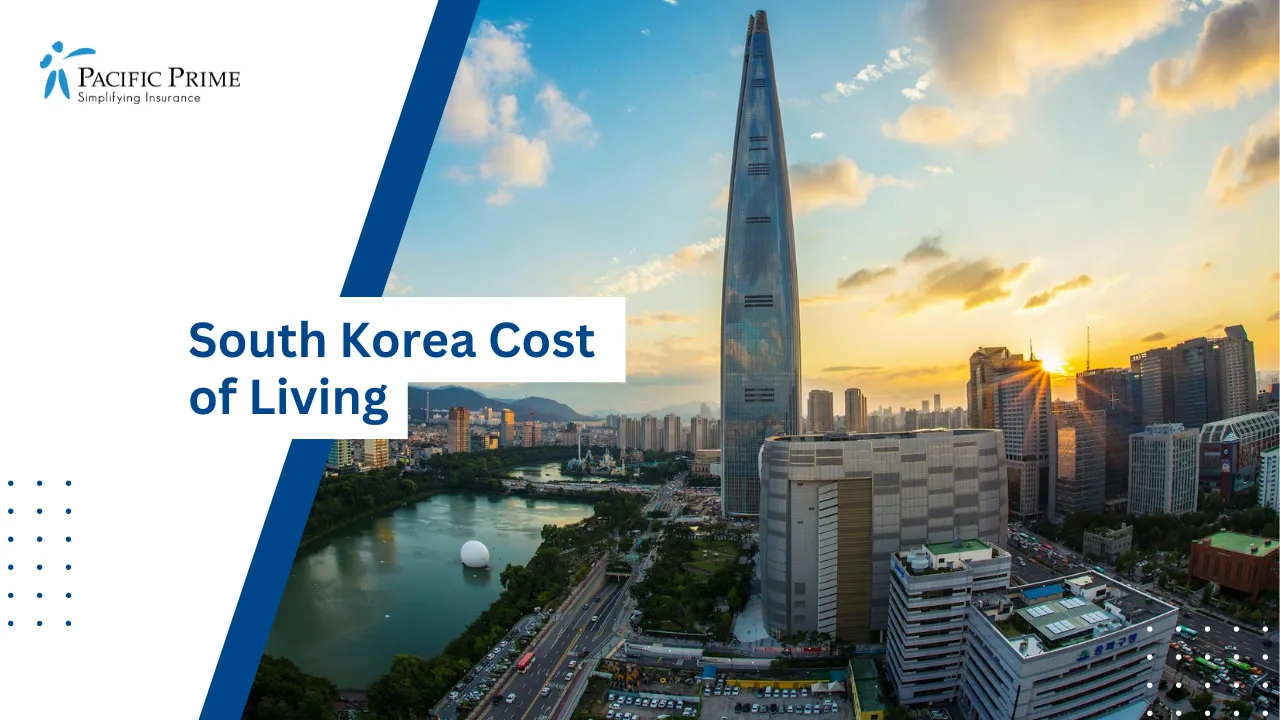
On average, the cost of living in South Korea for a single person is about ₩652,000 (USD $470) on living expenses (excluding rent), and an average of ₩2,300,000 (USD $1,650) for a family of four (excluding rent).
According to a study done by the Bank of Korea (BOK), grocery prices and housing costs are relatively higher than the average in developed countries.
Meanwhile, electricity, gas, and water bills are 35% lower than the average in those countries. This is due to the South Korean government’s policy of maintaining low prices by absorbing losses incurred by public enterprises for political reasons.
When compared to the cost of living in Asian countries, South Korea is generally affordable. For example, the cost of living in Singapore is around two times more expensive than in South Korea.
The cost of living in Japan is around 2% more expensive than in South Korea overall. However, eating out in Japan is more affordable than in South Korea. Transportation and housing costs are generally lower in South Korea, making it a more affordable destination for many expats.

Choosing a Place to Live in South Korea
South Korea generally has an affordable cost of living, though expenses can vary depending on the city. Some cities are more expensive, while others are budget-friendly. South Korea offers a lot for a comfortable yet affordable lifestyle.
Here’s a comparison of the monthly rental costs in South Korea based on whether the location is inside or outside the city center:
| Apartment Type | City Center | Outside City Center |
| 1-bedroom apartment | ₩720,000 (USD $520) | ₩490,000 (USD $355) |
| 3-bedroom apartment | ₩2,150,000 (USD $1,555) | ₩1,250,000 (USD $905) |
Most Affordable South Korean Cities to Live In
If you want to decrease your expenses but still live comfortably, these are some of the most affordable cities to live in South Korea:
- Daegu: has overall lower housing and living costs than Seoul, while still providing urban amenities
- Suwon: has lower housing expenses while being close to Seoul
- Gwangju: offers affordable living with a relaxed pace of life with its rich history
Most Expensive South Korean Cities to Live In
If you are looking to live in more urban areas, keep in mind that these areas are generally more expensive due to the higher rent prices:
- Seoul: as it is the capital, Seoul offers abundant opportunities but has the highest rental prices
- Incheon: it has a higher cost of living due to its proximity to Seoul and being a major economic hub
- Busan: the second-largest city in South Korea, has a higher cost of living due to its strong economy and popularity

Healthcare System in South Korea
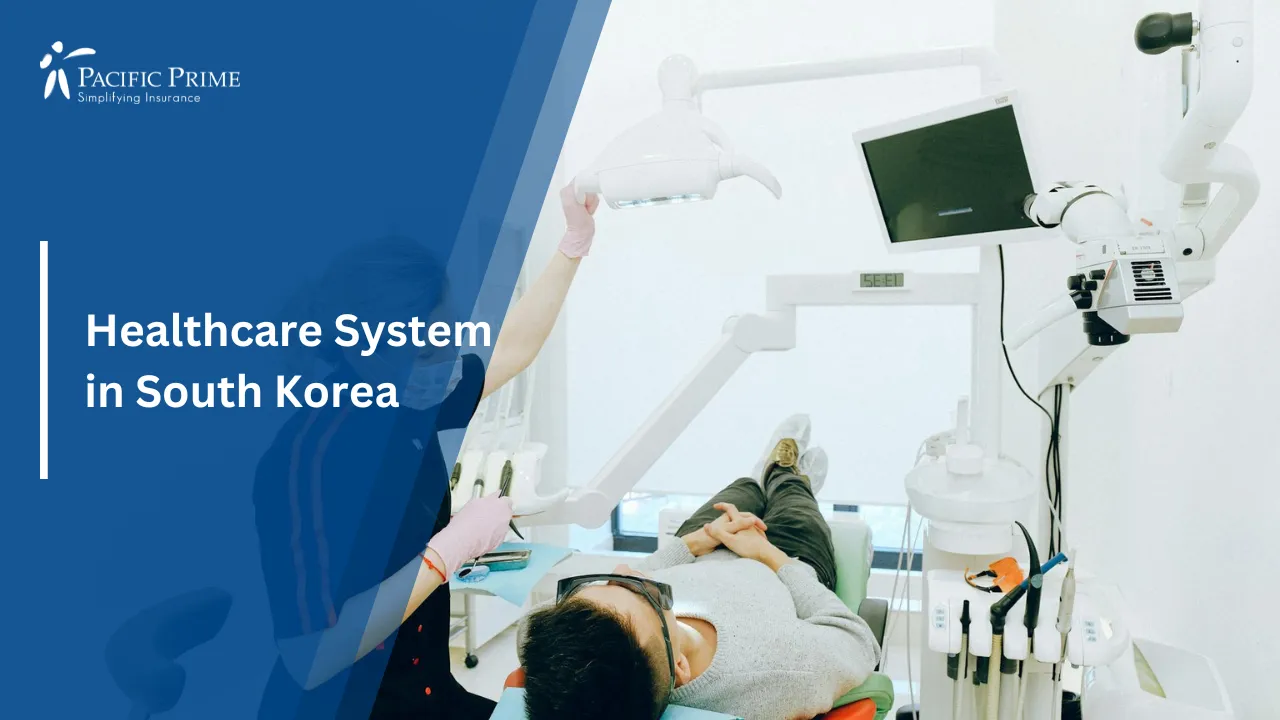
South Korea provides universal health care through the National Health Insurance (NHI) scheme, which is run by the Ministry of Health and Welfare. The NHI scheme is primarily used for emergency treatments. However, healthcare is not free of charge.
The South Korean healthcare system is funded through a combination of employee taxes, government subsidies, and other contributions. This means that while healthcare is accessible to all, it is not entirely free as individuals and employers contribute to the costs through insurance premiums and taxes.
Additionally, patients are responsible for a portion of their medical costs even with the NHI scheme, which covers around 20-50% of treatment expenses. This co-payment system means that while healthcare services are subsidized, patients still incur out-of-pocket expenses.
All residents in South Korea are required to have basic medical insurance, which employees pay for through a 5% deduction from their monthly salary. If you are married or unemployed, then you can be enrolled under your spouse’s insurance plan.
South Korea’s universal health care typically covers the following:
- General health check-ups
- Dental check-ups, cleaning, and wisdom teeth extractions
- Optical check-ups and prescriptions
- Acupuncture and cupping treatment
- Appliances for the disabled (90% covered)
- Cancer checkups (90% covered)
- Pregnancy and childbirth are subsidized with 1 million won per pregnancy
- Other medical needs, such as tests, surgeries, and rehabilitation (50% to 80% covered)
The NHI scheme does not cover travel outside of South Korea. If you are travelling, you will need to buy travel insurance or enroll in a private healthcare plan that has travel coverage.
For foreigners, it is required by law to register with the NHI if you live in South Korea for more than six months. To register in the NHI:
- Visit your local National Health Insurance Service office
- Provide necessary documents (e.g., passport, alien registration card, proof of employment)
- Complete the application form
- Receive your insurance card

Cost of Consultations in South Korea
Here are the average costs of common doctor consultations in South Korea:
| Consultation Type | Cost |
| General practitioner | ₩20,000 to ₩40,000 (USD $15 to US$30) |
| Specialist Consultation | Average ₩60,000 (USD $43) |
| Dental Consultation | ₩36,500 to ₩73,000 (USD $26 to USD $53) |
| Emergency Treatment | ₩100,000 to ₩400,000 |
Costs of Common Diagnostic Tests
Below are the prices of common diagnostic tests in South Korea:
| Type of Diagnostic Tests | Cost from the Private Sector |
| Full check-up (including blood test, urinalysis, and consultation) | ₩147,000 (USD $106) |
| X-ray | ₩28,000 to ₩63,000 (USD $20 to USD $45) |
| MRI | ₩977,000 to ₩1,117,000 (USD $700 to USD $800) |
| CT Scan | ₩300,000 to ₩1,200,000 depending on the type of scan (USD $215 to USD $860) |
| Ultrasound | ₩534,000 (USD $382) |

Cost of Inpatient Hospital Stays in South Korea
Here is a breakdown of the average cost per night at private hospitals in South Korea:
| Type of Room | Cost Per Night at Private Hospital |
| Private Room | ₩200,000 to ₩480,000 (USD $144 to USD $345) |
| Semi-Private Room | ₩50,000 to ₩150,000 depending on the hospital and its amenities (USD $36 to USD $108) |
| General Ward (including admission fees and personal care expenses) | ₩200,660 (USD $141) |
Surgical Procedures in South Korea
Here are the approximate costs of some surgical procedures in South Korea:
| Surgical Procedure | Approximate Cost |
| Appendectomy | ₩3,500,000 (USD $2,500) |
| Gallbladder removal | ₩9,630,000 (USD $6,900) |
| Hip replacement | ₩25,000,000 (USD $17,860) |
| Knee replacement | ₩14,000,000 to ₩35,000,000 (USD $10,000 to USD $25,000) |
| Cataract surgery (per eye) | ₩2,000,000 to ₩4,000,000 (USD $1,500 to USD $3,000) |
Costs of Medications in South Korea
South Korean public healthcare covers between 50% to 80% of medical costs, including prescription medication. However, if you are not covered under the national health insurance scheme, you will need to pay out of pocket, which can be a hefty amount.
Why Getting Health Insurance is Important in South Korea
While the overall standard of public health care in South Korea is very good, some expats prefer private facilities because of the greater level of comfort they offer. They offer more private and spacious rooms, a wider array of specialists, shorter waiting lists, and English-speaking staff.
For expats in general good health who only require periodic healthcare, the public healthcare system may be sufficient. However, it’s worth considering private health insurance, especially when you’re young and healthy. Premiums tend to be lower at this stage, allowing you to secure comprehensive coverage at a more affordable rate.
While the public system may cover basic needs, private insurance can provide crucial financial protection against the potentially significant expenses associated with severe or chronic illnesses or the need for intensive medical care.

Managing Monthly Expenses in South Korea

If you’re planning to move to South Korea, keep in mind that you can afford a comfortable lifestyle in the country if you practice good financial habits. Here are some ways to manage your monthly expenses while living in South Korea.
- Create a Budget: Calculate your monthly income and list all expenses, including fixed (rent, utilities) and variable costs (food, entertainment).
- Understand Costs: Differentiate between fixed and variable costs to manage your finances effectively.
- Manage Food Expenses: Alternate between cooking at home and dining out.
- Use Public Transportation: Rely on subways and buses instead of taxis to save money on transportation.
- Set Up a Savings Plan: Aim to save a portion of your income each month, such as following the 50/30/20 rule.
- Track Your Spending: Use apps to monitor daily expenses and identify areas to cut back.
- Plan for Leisure: Allocate funds for entertainment and leisure activities, taking advantage of budget-friendly options available in South Korea.
Utilities and Bills in South Korea
Gas bills average around ₩10,000 per month, but can go over ₩100,000 during winter due to widespread use of gas-powered underfloor heating. Leaving the heating on all day will further increase costs. Similarly, summer air conditioning can lead to high electricity bills if used excessively.
Here are the average monthly costs of utilities in South Korea:
| Utilities | Monthly Cost |
| Gas bills | ₩10,000 to ₩100,000 (USD $7.16 to USD $71) depending on usage |
| Electricity | ₩10,000 to ₩30,000 (USD $7.16 to USD $22) depending on usage |
| Internet and TV packages | ₩30,000 to ₩50,000 (USD $22 to USD $36) |
| Smartphone packages | ₩30,000 to ₩40,000 (USD$22 to USD $29) |
| Apartment maintenance fee | ₩100,000 (USD $71) |
Food and Groceries in South Korea
South Korea is a foodie’s paradise, from affordable street food to high-end restaurants. Knowing what to expect price-wise can help you plan your spending. For most places in South Korea, the prices for dining in are so affordable that most individuals prefer this over cooking at home.
Also, for most groceries in South Korea, they often come in family-sized portions, which can mean having a lot of leftovers or spoiled food if you are living alone.
Here are some of the prices for typical meals in South Korea:
| Meal | Price |
| Kimbap / Soup | ₩1,000 to ₩3,000 (USD $0.70 to USD $2) |
| Meal at an inexpensive restaurant | ₩5,000 to ₩7,000 (USD$4 to USD $5) |
| Meal at a fast food restaurant | ₩10,000 to ₩15,000 (USD $7 to USD $11) |
| Meal at a high-end restaurant | ₩20,000+ (USD $14+) |
Average prices of common grocery items:
| Item | Price |
| Chicken breast (500 g / 1 lb) | ₩7,310 (USD $5) |
| Milk (1 liter / 1 qt) | ₩3,040 (USD $2) |
| Eggs (1 dozen / 12 pieces) | ₩5,740 (USD $4) |
| Tomatoes (1 kg / 2 lb) | ₩8,010 (USD $6) |
| Local Cheese (500 g / 16 oz) | ₩8,660 (USD $6) |
| Apples (1 kg / 2 lb) | ₩10,720 (USD $8) |
| Potatoes (1 kg / 2 lb) | ₩5,600 (USD $4) |
Transportation Costs in South Korea
Navigating South Korea is relatively easy and affordable thanks to its efficient public transportation system. You can get to most places in Seoul by subway, and you can travel by bus to travel across the country.
Here are some of the average costs of public transportation in South Korea:
| Transportation | Price |
| Bus/Subway (Standard) | ₩1,250 to ₩2,000 (USD $0.90 to USD $1.50) depending on the distance |
| Bus (Seoul to Busan) | ₩20,000 to ₩30,000 (USD $14 to USD $29) for a one-way ticket |
| KTX Train (Seoul to Busan) | ₩50,000+ (USD $36+) for one-way ticket |
| Taxi* (Itaewon to Jamsil) | Approximately ₩15,000 (USD $11) |
*Please note that taxis in South Korea have a different pricing after midnight, and they are usually more expensive during this time.
Entertainment and Leisure in South Korea
South Korea has a diverse entertainment scene that caters to a wide range of interests, as well as budgets. You can always find something fun to do while living in South Korea. From watching movies to singing in a karaoke booth, South Korea has something for everyone.
Here’s a breakdown of the average costs of different entertainment and leisure activities in South Korea:
| Activity | Cost |
| Movie Tickets | ₩10,000 to ₩12,000 (USD $7.16 to USD $8.60) |
| Karaoke (noraebang or coin singing booths) | ₩1,000 for three songs (USD $0.70) |
| Tickets to a Baseball or Soccer Game | ₩10,000 for the cheapest tickets (USD $7.16) |
| Monthly Gym Membership | ₩30,000 to ₩100,000 (USD $22 to USD $72) depending on the quality of the facilities |
Education in South Korea

While South Korea offers free education in public schools, public schools generally conduct their lessons in Korean. This can be a significant barrier for non-Korean-speaking children. For most expats, international schools are more suitable for their children.
While international schools typically follow international curricula, there is a demanding academic environment in South Korea, with a big focus on the College Scholastic Aptitude Test (CSAT) that determines who is eligible to pursue further education after high school.
The cost of international schools is high, averaging around ₩24,000,000 (USD $20,100) per year. Some additional fees may include application fees, registration fees, and bus fees, which can add to the total cost.
Have Pacific Prime Help You With Your Move to South Korea!
Moving to another country involves many challenges, from language barriers and visa applications to understanding the local healthcare system. Securing the right health insurance can alleviate some of this stress.
Pacific Prime specializes in international health insurance, family insurance, and expat insurance, with 25 years of experience assisting expats and their families worldwide. Our after-sales service includes support for renewals and claims.
Contact us today for a free, no-obligation insurance comparison!
Frequently Asked Questions
What is the average salary in South Korea?
The average salary in South Korea ranges from ₩3,500,000 to ₩4,500,000 per month, depending on the city you live in, your work experience, and the industry you are in.
How much salary is enough to live in South Korea?
Depending on your situation, a good salary for an individual can range from ₩2,500,000 to ₩3,500,000. This amount is enough for a comfortable stay in Seoul. For a family of four, a good salary would be around ₩5,000,000 per month.
Is South Korea a good place to live?
South Korea is generally a good place to live. The country has one of the lowest crime rates in the world, as well as high-quality healthcare, efficient public transport, affordable cost of living, and rich cultural experiences.
How much are hospital bills in South Korea?
The cost of medical expenses varies, and this depends on the type of treatments you receive. For example, a regular outpatient visit may cost around ₩10,000 to ₩30,000 (USD $7 to USD $21). However, hospital bills can be manageable for those with health insurance.
Is South Korea cheap or expensive?
South Korea is generally an affordable country to live in Asia. While it is not one of the cheapest countries in Asia, like Laos or China, it is also not as expensive as Japan or Singapore. South Korea offers a balance of affordability and quality of life.
Is healthcare free in South Korea for foreigners?
Healthcare is not free for foreigners in South Korea. While foreigners can enroll in the National Health Insurance Service, it does not mean that healthcare is 100% covered. Even with NHIS coverage, you are still responsible for co-payments.

At Pacific Prime, Grace focuses on simplifying complex concepts on international health insurance to make these topics easily accessible and understandable for our target audience. Being a Filipino born in Hong Kong, she understands the struggles of most immigrants and expats in finding the right insurance solutions while in another country. Her goal is to redefine most people’s perception of insurance, that it is an investment for one’s protection and future.
In her spare time, Grace is either at home or at Hong Kong Disneyland. She loves reading, watching movies and K-dramas, and attending dance classes.
- How to Find Digital Nomad Jobs in Thailand – October 22, 2025
- Top 12 Insurance Companies in Serbia for Expats – October 21, 2025
- Expat’s Guide: Pros and Cons of Living in Thailand – October 20, 2025


Comments