300x85-png.webp)


 Hong Kong
 Singapore
 China
China Dubai
Dubai Thailand
 United Kingdom
 Mexico
Belgium is a popular European destination for expats because of its high living standards, low crime rates, and diverse population, with about 13% of the total population being expats. Belgium is also one of the most expensive cities in Europe, which expats can find challenging.
Discover the world’s top
health insurers.
Compare quotes with
a click of the button.
In this article, we break down the average cost of living in Belgium, from housing to leisure activities in the country. We also discuss the healthcare system in Belgium and how you can ensure you have the right protection for yourself and your family.
Belgium Average Cost of Living
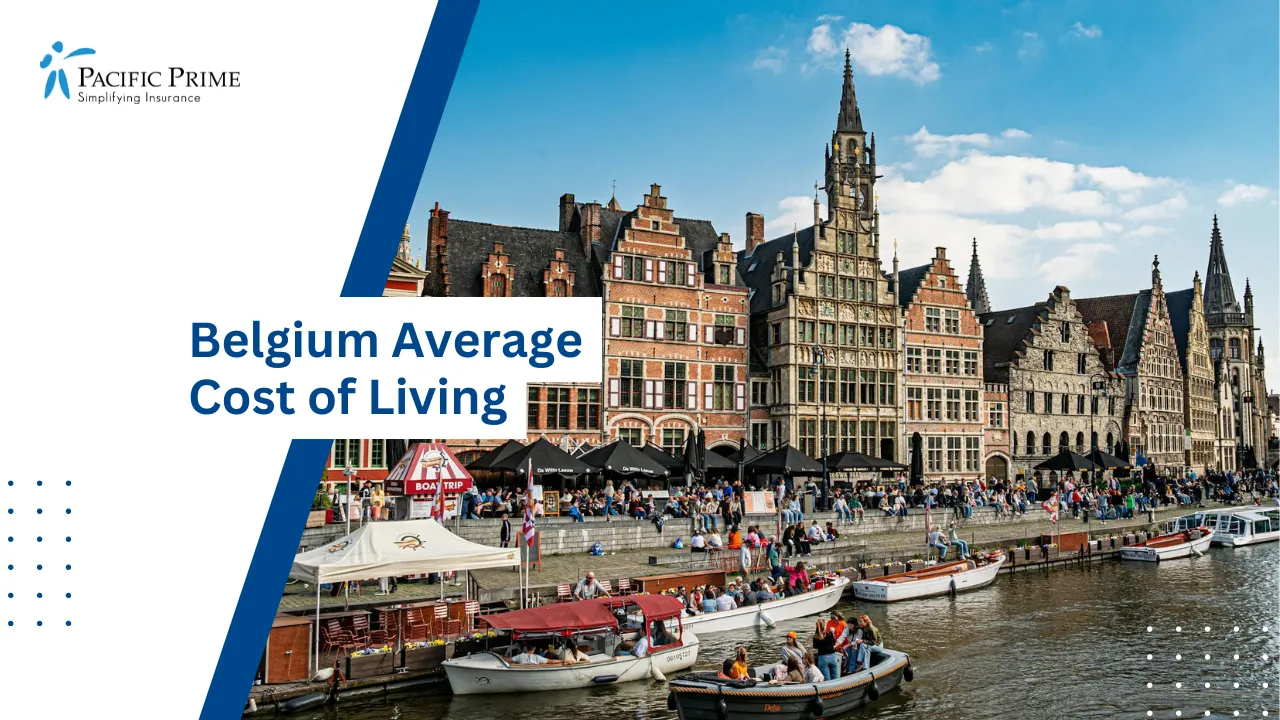
The cost of living for a family of four in Belgium is around €4,518 (including rent) a month, while the cost of living for a single person is around €1,760.
To compare, the cost of living in Denmark for a single person is about €1,904, which is 20% more expensive than Belgium. However, the cost of living in Portugal is around €1,290, making it 18% cheaper than Belgium.
Belgium is generally more expensive than many European countries, particularly in terms of housing and dining out. However, it offers competitive prices for groceries and transportation compared to its neighbors.
Where to Live in Belgium
Housing costs in Belgium depend on the area you choose to live in: renting an apartment in the city center is more expensive than an apartment outside the city center.
When considering where to live in Belgium, affordability is a key factor. Here’s a breakdown of the average monthly rent prices of apartments based on whether they are within the city center or outside the city center:
| Apartment Type | City Center | Outside City Center |
| 1-bedroom apartment | €827 (USD $910) | €704 (USD $775) |
| 3-bedroom apartment | €1,241 (USD $1,370) | €1,036 (USD $1,140) |
Most Affordable Cities in Belgium
For those looking to budget wisely with their housing, here are the most affordable cities in Belgium:
- Namur: Namur is known for its relatively low housing costs, with rent prices being lower than many other Belgian cities. The city offers a charming atmosphere with historical sites and a vibrant cultural scene.
- Mons: Mons is known for its friendly community and a variety of local events, making it appealing for families and young professionals. Rent prices are affordable and competitive, especially for those looking for apartments outside the city.
- Charleroi: Charleroi is known for its affordable housing and significantly lower cost of living than in major cities. Charleroi offers a range of cultural activities and is well-connected to other parts of Belgium.
Most Expensive Cities in Belgium
If you are looking to live in more urban areas, do note that these areas generally have higher living costs due to the rent prices:
- Brussels: Brussels is the most expensive place to live in since it is Belgium’s capital. While the city has a rich culture and various amenities, the cost of living is high and can be a challenge for many residents.
- Antero: Antero attracts many expats and professionals, which contributes to increased housing costs.
- Ghent: Ghent is popular among students and young professionals due to its vibrant cultural scene and historical architecture; however, there is a high demand for housing in the city, making it a competitive rental market.
Choosing the right location can significantly impact your living expenses, so it’s advisable to weigh the benefits of living within the city center against how much you can potentially save living outside the city center.
Healthcare System in Belgium
In Belgium, all residents, including expats, are required to have public health insurance. Belgium has a universal healthcare system that combines public and private services, ensuring that nearly all residents have access to medical care.
Here are the differences between public and private health insurance in Belgium:
Public vs Private Health Insurance in Belgium
| Feature | Public Health Insurance | Private Health Insurance |
| Coverage | Mandatory for all residents | Supplementary, not mandatory |
| Cost | Income-based premiums | Generally higher premiums |
| Reimbursement rates | Covers 70–90% of medical costs | Varies by plan; can cover additional services |
| Access to providers | Free choice; some require GP referrals | More flexibility; may have preferred networks |
| Preventive care | Emphasizes preventive healthcare | Coverage for additional treatment may vary |
Healthcare Expenses: What to Expect
Managing healthcare expenses in Belgium is easier with health insurance secured to minimize large medical costs, especially at private hospitals. Here are some of the general costs of healthcare expenses in Belgium for a better understanding on how to budget to your needs.
Cost of Consultations
Public health insurance covers visits to general practitioners and specialists, with residents paying a portion of the costs upfront and having it reimbursed later. Here are the common costs of consultations in Belgium:
| Consultation Type | Cost |
| General practitioner visit | €30 to €50 (USD $33 to USD $55) |
| Specialist consultation | €50 to €100 (USD $55 to USD $110) |
| Dental consultation | €30 to €80 (USD $33 to USD $88) |
| Emergency treatment | €100 to €200 (USD $110 to USD $220) |
Costs of Common Diagnostic Tests
Here are some of the costs of common diagnostic tests in Belgium’s private healthcare sector.
| Type of Diagnostic Tests | Cost from Private Sector |
| Full check-up (including blood test, urinalysis, and consultation) | €150 to €300 (USD $165 to USD $330) |
| X-ray | €50 to €100 (USD $55 to USD $110) |
| MRI | €300 to 600 (USD $330 to USD $660) |
| CT scan | €300 to €500 (USD $330 to USD $550) |
| Ultrasound | €100 to €200 (USD $110 to USD $220) |
Cost of Inpatient Hospital Stays
Below are the average costs of hospital stays at private hospitals in Belgium.
| Type of Room | Cost Per Night at Private Hospital |
| Private room | €300 to €600 (USD $330 to USD $660) |
| Semi-private room | €200 to €400 (USD $220 to USD $440) |
| General ward (including admission fees and personal care expenses) | €100 to €200 (USD $110 to USD $220) |
Surgical Procedures
Below are the approximate costs of some surgical procedures in Belgium.
| Surgical Procedure | Approximate Cost |
| Appendectomy | €3,000 to €5,000 (USD $3,300 to USD $5,500) |
| Gallbladder removal | €4,000 to €6,000 (USD$4,400 to USD $6,600) |
| Hip replacement | €10,000 to €15,000 (USD $11,000 to USD $16,500) |
| Knee replacement | €10,000 to €15,000 (USD $11,000 to USD $16,500) |
| Cataract surgery (per eye) | €2,000 to €3,500 (USD$2,200 to USD $3,850) |
Costs of Medications
While many prescription medications are partially covered by public health insurance, residents in Belgium are still required to pay a portion of the cost. The reimbursement amount varies depending on the medication.
Here’s the average cost of different medications in Belgium:
| Medication Type | Average Cost |
| General prescription medications | €10 to €100 (USD $11 to USD $110) |
| Cancer treatments (e.g. pembrolizumab) | €3,000 to €500,000 (USD $3,300 to USD $550,000) |
| Common chronic disease medications | €20 to €50 (USD $22 to USD $55) |
| Rare disease treatments | €100,000 to €500,000 (USD $110,000 to USD $550,000) |
Why Getting Health Insurance is Important
While Belgium has a high standard of public healthcare, many expats choose to enroll in private health insurance because of the additional benefits it provides.
Here are some reasons why getting private health insurance is important for expats living in Belgium:
- Supplementing Public Healthcare: Belgium’s public healthcare system covers essential services but often requires copayments and may not cover certain treatments. Private health insurance helps cover these out-of-pocket costs and provides access to a broader range of treatments.
- Access to Premium Services: Private health insurance allows expats to access premium services, such as private hospital rooms and quicker appointments with specialists, reducing waiting times for treatments.
- Mandatory Health Insurance: Health insurance is mandatory for all residents in Belgium, including expats. Many choose private insurance to ensure comprehensive coverage, especially if they are not eligible for full public coverage due to their employment status or nationality.
- Flexibility and Convenience: Private insurance offers greater flexibility in selecting healthcare providers, allowing expats to choose from a wider network of doctors and specialists.
- Peace of Mind: Having private health insurance provides peace of mind, ensuring coverage for unexpected medical expenses, which is particularly important in a foreign country.
Managing Monthly Expenses in Belgium
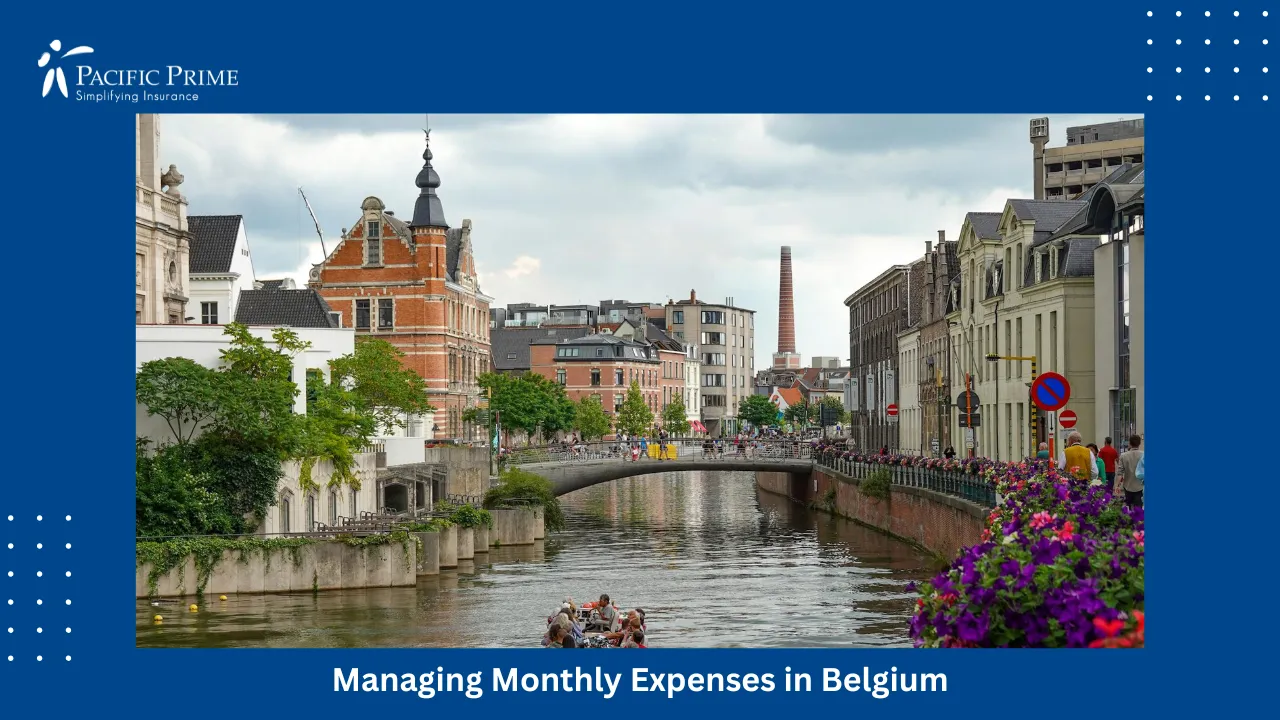
If you are planning to move to Belgium, keep in mind that it is possible to maintain a comfortable lifestyle with careful planning and budgeting. To have a better idea of how to budget your expenses, here’s a breakdown of common expenses in Belgium:
Utilities and Bills
| Utilities | Monthly Cost |
| Gas bills | €80 to €150 (USD $88 to USD $165) |
| Electricity | €70 to €120 (USD $77 to USD $132) |
| Internet and TV packages | €49.70 (USD $55) |
| Smartphone packages | €20.42 (USD $22) |
| Apartment maintenance fee | €30 to €50 (USD $33 to USD $55) |
Meals at Restaurants
Here are the average costs of meals in Belgium depending on the type of restaurant.
| Meal | Price |
| Meal at an inexpensive restaurant | €20 (USD $22) |
| Meal at a fast food restaurant | €10.25 (USD $11) |
| Meal at a high-end restaurant | €80 (USD $88) |
Grocery Items
If you are looking to save more by cooking at home, here are the common prices of some grocery items in Belgium.
| Item | Price |
| Chicken breast (500 g / 1 lb) | €4.72 (USD $5.20) |
| Milk (1 liter / 1 qt) | €1.25 (USD $1.38) |
| Eggs (1 dozen / 12 pieces) | €3.48 (USD $3.84) |
| Tomatoes (1 kg / 2 lb) | €2.36 (USD $2.60) |
| Local cheese (500 g / 16 oz) | €6.01 (USD $6.60) |
| Apples (1 kg / 2 lb) | €2.24 (USD $2.46) |
| Potatoes (1 kg / 2 lb) | €1.80 (USD $4.40) |
Transportation Costs
Here are the prices of public transportation in Belgium.
| Transportation | Price |
| Train ticket (one-way) | €9 (USD $9.90) |
| Bus/tram ticket (single) | €2 (USD $2.20) |
| Metro ticket (one-way) | €2.40 (USD $2.65) |
| Monthly public transport pass | €49 (USD $54) |
| Taxi start fare | €5.75 (USD $54) |
| Taxi cost per mile | €4.02 (USD $4.40) |
| Bike rental (per day) | €10 to €15 (USD $11 to USD $16.50) |
Entertainment and Leisure
We have outlined the costs of some activities that you can do in Belgium.
| Activity | Cost |
| Movie ticket (for international release) | €13 (USD $14.30) |
| Monthly gym membership | €33.04 (USD $36.30) |
| Museum ticket | €10 to €15 (USD $11 to USD $16.50) |
| Concert ticket | €30 to €70 (USD $33 to USD $77) |
| Amusement park entry | €30 to €50 (USD $33 to USD $55) |
| Sports event ticket | €20 to €100 to (USD $22 to USD $110) |
| Theatre ticket | €20 to €50 (USD $22 to USD $55) |
Education in Belgium
Belgium offers a high-quality education system with various options for expats. Public schools provide free education, while private and international schools offer alternative curricula at a cost. Here’s a summary of the costs of education in Belgium:
| Type of Education | Cost |
| Public schools | Free (minor costs for supplies and activities) |
| Private schools | €10,000 to €20,000 per year (USD $10,800 to USD $21,600) |
| Applications fees | €50 to €200 (USD $54 to USD $216) |
| Public universities (EU Students) | €980 per year (USD $1,060) |
| Public universities (Non-EU Students) | €980 to €8,000 per year (USD $1,060 to USD $8,640) |
| Private institutions | €15,000 and above (USD $16,200 and above) |
Have Pacific Prime Help You With Your Move to Belgium!
Relocating to Belgium can have many challenges, including language barriers, visa processes, and navigating the local healthcare system. Securing the right health insurance plan can help ease some of these concerns.
At Pacific Prime, we focus on international health insurance, family insurance, and expat insurance. With 25 years of experience, we’ve been supporting expats and their families around the globe. Our after-sales services include assistance with renewals and claims.
Contact us today for a free, no-obligation plan comparison!
Frequently Asked Questions
What is the average salary for expats in Belgium?
The average gross monthly salary in Belgium is approximately €3,832, which translates to a net salary of around €2,463 after taxes. However, salaries can vary significantly based on the industry, experience, and location.
Are there any tax considerations for expats?
Belgium has one of the highest tax rates in Europe, with income tax rates ranging from 25% to 50%. Additionally, expats should be aware of regional taxes and social security contributions, which can affect their net income.
Is Belgium a good country to live and work in?
Belgium is often considered a good country for expats to live and work in because it has a high quality of life, a strong economy, and excellent healthcare. The country also has a good work-life balance and cultural diversity.
What is the most paid job in Belgium?
The highest-paying jobs in Belgium are in healthcare, finance, and technology. Surgeons and anesthesiologists often earn over €200,000 (USD $220,000) annually, while executive management and specialized engineering roles also command high salaries due to demand in these sectors.
Is healthcare free in Belgium?
Healthcare in Belgium is not free but is subsidized through mandatory health insurance. Residents pay copayments for services, averaging 10–20% of costs for doctor visits and hospital care, which can range from €20 to €50 (USD $22 to USD $55) per visit, with additional expenses for medications.
Why do people immigrate to Belgium?
People immigrate to Belgium for job opportunities, high quality of life, excellent education, and cultural diversity. The strong economy and presence of international organizations attract expatriates seeking better living conditions and experiences.

At Pacific Prime, Grace focuses on simplifying complex concepts on international health insurance to make these topics easily accessible and understandable for our target audience. Being a Filipino born in Hong Kong, she understands the struggles of most immigrants and expats in finding the right insurance solutions while in another country. Her goal is to redefine most people’s perception of insurance, that it is an investment for one’s protection and future.
In her spare time, Grace is either at home or at Hong Kong Disneyland. She loves reading, watching movies and K-dramas, and attending dance classes.
- How to Find Digital Nomad Jobs in Thailand – October 22, 2025
- Top 12 Insurance Companies in Serbia for Expats – October 21, 2025
- Expat’s Guide: Pros and Cons of Living in Thailand – October 20, 2025


Comments