300x85-png.webp)


 Hong Kong
 Singapore
 China
China Dubai
Dubai Thailand
 United Kingdom
 Mexico
When it comes to relocating to Europe, several cities stand out as popular choices for Americans. From Lisbon’s sunny vibe to Helsinki’s excellent public services, each destination offers unique benefits to expats.
Discover the world’s top
health insurers.
Compare quotes with
a click of the button.
This Pacific Prime article will discuss in depth the top European cities for Americans to move to, along with numbeo’s cost of living and the benefits of living there. Most importantly, the article will explain the importance of international health insurance for American expatriates.
Note: Please note that the $ symbol represents USD.
1. Lisbon, Portugal

Known for its vibrant culture, sunny climate, and affordable cost of living, Lisbon is a popular choice for Americans. It has a strong expat community and offers excellent amenities, making it ideal for digital nomads and retirees.
Cost of Living in Lisbon
The cost of living in Lisbon is generally affordable compared to major U.S. cities, with a single person’s monthly expenses averaging around €1,200 (approximately $1,300), excluding rent. Rent for a one-bedroom apartment in a regular area is about €1,157 (around $1,250).
- Individual: A single person can expect to spend about €1,200 (approximately $1,300) monthly, excluding rent. Rent for a one-bedroom in a regular area averages €1,157 (around $1,250), with utilities adding around €137 (about $150). Groceries cost about €100 (approximately $110) per week, with meals at local mid-range restaurants around €20 (approximately $22) each.
- Family of Four: The estimated cost for a family of four, excluding rent, is around €2,172 (about $2,350). Rent for a larger apartment in a normal area averages €1,588 (approximately $1,700), making Lisbon a cost-effective option for families compared to major U.S. cities.
Advantages of Living in Lisbon
Living in Lisbon offers numerous advantages, including a vibrant culture, a sunny climate, and a strong expat community. The city boasts an affordable lifestyle, with consumer prices significantly lower than in major U.S. cities.
- Affordable Lifestyle: Consumer prices are about 50% lower than in cities like Washington, D.C., with rent costs nearly 57% lower. This makes Lisbon a cost-efficient choice, offering a high quality of life without the high expenses common in U.S. urban areas.
- Public Transport: Lisbon has a comprehensive public transport system, including a €40 ($42) monthly pass that covers buses, trams, and metro. This affordability in transportation is ideal for both locals and expats.
- Healthcare: Portugal’s healthcare system provides accessible and affordable public healthcare, and private insurance costs are lower than in the U.S., enhancing the appeal of living in Lisbon for retirees and expats.
- Expat Community: Lisbon has a thriving international community, especially among digital nomads and retirees. The city’s English-friendly environment and supportive expat groups make it easier for newcomers to settle in.
- Culture and Recreation: Lisbon offers diverse leisure options, including access to beautiful beaches, vibrant art scenes, and excellent dining. It’s easy to explore Portugal’s coastal charm and cultural heritage while enjoying a warm, sunny climate year-round.
- Progressive Lifestyle: Lisbon’s international vibe and friendly atmosphere attract people from around the world, contributing to a welcoming environment for all backgrounds.
2. Valencia, Spain

A popular destination among expats and travelers alike, Valencia combines Mediterranean charm, affordable living, and a walkable, friendly environment. It’s praised for its high quality of life, rich culinary scene, and relaxed pace.
Cost of Living in Valencia
The cost of living in Valencia is quite affordable, with a single person’s monthly expenses ranging from €800 to €1,000 (approximately $870 to $1,090), excluding rent. A one-bedroom apartment in the city center typically costs about €1,109 (around $1,200), while suburban options can be around €711 (approximately $770).
- Individual: A single person’s estimated monthly expenses (excluding rent) are around €800-€1,000 (approximately $870-$1,090). Renting a one-bedroom apartment in the city center typically costs around €1,109 (around $1,200), while in a suburban area, it may cost approximately €711 (about $770). Utilities, such as electricity and heating, add about €114 (approximately $125) per month.
- Family of Four: Monthly expenses for a family of four are estimated at €2,500-€2,700 (approximately $2,700-$2,900), excluding rent. Rent for a three-bedroom apartment in a central area average €1,500-€1,800 (around $1,600-$1,950). Groceries and dining out are also generally affordable, making Valencia budget-friendly for families.
Advantages of Living in Valencia
Valencia offers a range of advantages for residents, including a rich cultural scene and a warm Mediterranean climate, ideal for outdoor activities year-round. The city is known for its walkable and bike-friendly environment, along with an efficient public transport system.
- Cultural and Recreational Appeal: Valencia boasts a rich mix of history, art, and modern amenities. The city offers numerous museums, festivals, parks, and beaches. Its culinary scene, known for authentic paella and seafood, is both diverse and affordable
- Warm Climate: With mild winters and long summers, Valencia’s climate is ideal for outdoor activities and beach outings nearly year-round. The coastal weather also supports a healthy, active lifestyle.
- Public Transportation: Valencia has an affordable, efficient public transport system, with a monthly pass covering buses, metros, and trams at around €30 ($32). The city is also very walkable and bike-friendly, offering alternatives to driving.
- Safety and Community: Known for its family-friendly neighborhoods and international schools, Valencia is safe and has a relaxed, welcoming atmosphere. This makes it attractive for both individuals and families looking for a balanced urban lifestyle.
- Affordable Healthcare and Strong Public Health System: Healthcare in Spain is well-known for being both efficient and reasonably priced, thanks to the country’s robust public health system.
3. Amsterdam, Netherlands
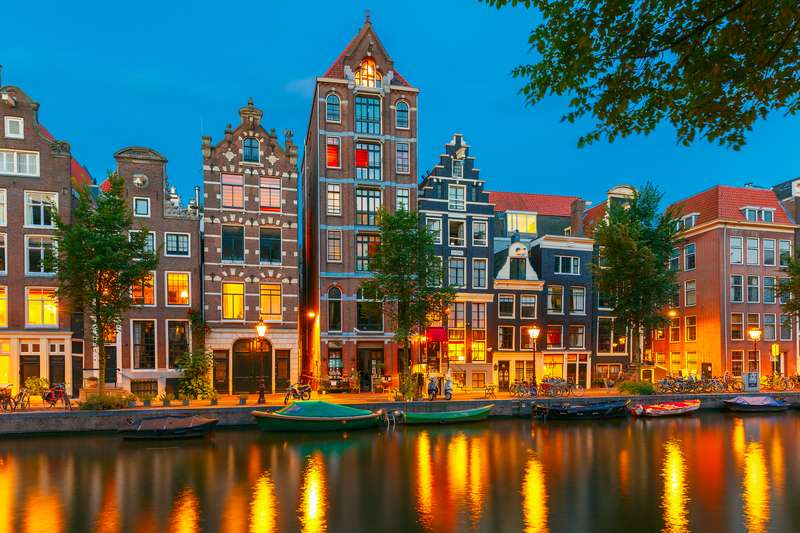
A party hub for expatriates and travelers, Amsterdam offers a blend of modern infrastructure and historic beauty. Its efficient public transport, extensive bike paths, and high-quality healthcare make it attractive, though living costs can be high.
Cost of Living in Amsterdam
The cost of living in Amsterdam is relatively high compared to other European cities, with a single person’s monthly expenses ranging from €1,854 to €2,600 (approximately $2,020 to $2,830), excluding rent. Renting a one-bedroom apartment in the city center typically costs around €1,961 (about $2,140), while outside the center, it drops to about €1,595 (approximately $1,740).
- Individual: A single person’s estimated monthly expenses, excluding rent, range from €1,854 to €2,600 (approximately $2,020 to $2,830). Renting a one-bedroom apartment in the city center typically costs around €1,961 (about $2,140), while outside the city center, rent can be about €1,595 (approximately $1,740).
- Family of Four: Monthly expenses for a family of four are estimated between €5,155 and €7,606 (approximately $5,600 to $8,300). Rent for a three-bedroom apartment in the city center averages €3,200 (around $3,550). Utilities (heating, electricity, water) add approximately €175 to €252 (about $190 to $275) monthly.
Advantages of Living in Amsterdam
Living in Amsterdam provides numerous advantages, including a high quality of life characterized by well-planned infrastructure and efficient public transport. The city’s extensive bike paths promote eco-friendly commuting.
- High Quality of Life: Amsterdam ranks highly in livability, with well-planned infrastructure, an efficient public transport system, and extensive bike lanes that make commuting convenient and eco-friendly.
- Healthcare System: The Dutch healthcare system provides a high-quality healthcare system, with residents paying a monthly insurance premium that covers most healthcare needs. This access to reliable healthcare is a key benefit for expats and locals alike.
- Cultural Diversity: As a global city, Amsterdam has a large expat community and a wide range of cultural offerings, including renowned museums, festivals, and diverse cuisines
- Work-Life Balance: Known for progressive labor policies, the Netherlands supports a healthy work-life balance with ample vacation days and reasonable working hours, which contributes to a high standard of living for residents.
- Educational Opportunities: Amsterdam offers several top-tier international schools and universities, making it an appealing location for families relocating with children.
4. Helsinki, Finland

Frequently ranked as one of the happiest cities, Helsinki is known for its excellent healthcare, green spaces, and welcoming attitude. The city is a wonderful choice for those who enjoy a mix of urban living and nature.
Cost of Living in Helsinki
The cost of living in Helsinki is relatively high compared to many other cities, with monthly expenses for a single person ranging from €1,228 to €2,000 (approximately $1,300 to $2,200), excluding rent. Despite the higher cost of living, Helsinki offers a high quality of life, excellent public services, and a strong emphasis on work-life balance.
- Individual: Monthly expenses for a single person range from €1,228 to €2,000 (approximately $1,300 – $2,200), excluding rent. Renting a one-bedroom apartment in the city center typically costs around €1,000 (about $1,050) per month, while outside the center, rent averages about €800 (approximately $840).
- Family of Four: Estimated monthly expenses for a family of four range from €3,500 to €5,000 (approximately $3,800 – $5,500). Renting a three-bedroom apartment in the city center averages €2,500 (around $2,650), while outside the city center, the rent is approximately €2,000 (about $2,100). Utilities, including heating, electricity, and water, add around €150 to €250 (approximately $160 – $270) monthly, with higher costs in winter due to heating.
Advantages of Living in Helsinki
Living in Helsinki offers several advantages, including a consistently high quality of life and a reputation as one of the happiest cities in the world. The city boasts excellent public services, including a top-notch healthcare system that provides affordable care to residents.
- High Quality of Life: Helsinki consistently ranks as one of the happiest and safest cities globally. With a well-organized infrastructure, efficient public transport, and abundant green spaces, it provides a high standard of living, which appeals to both expats and locals.
- Excellent Healthcare System: Finland’s healthcare system offers high-quality care with affordable public options and additional private healthcare availability. Residents contribute a national insurance fee, covering most medical services, making healthcare both accessible and reliable.
- Work-Life Balance: Finland’s labor policies emphasize a healthy work-life balance with generous parental leave and vacation days, supporting well-being and productivity. This progressive approach contributes to Finland’s reputation for an excellent quality of life.
- Educational Excellence: Helsinki’s education system is globally renowned, and the city offers high-quality schools and universities. For families, this access to superior education is a significant advantage, with options including public, private, and international schools in the city.
5. Madrid, Spain

The Spanish capital attracts Americans with its lively culture, sunny weather, and affordable cost of living. With a large international community, Madrid is especially appealing to young professionals.
Cost of Living in Madrid
Overall, total monthly expenses, excluding rent, are estimated to be around €1008 (approximately $1100) in Madrid. This makes Madrid an attractive option for expatriates and locals due to its quality of life and relatively low costs compared to other European cities.
- Individual: A single person’s estimated monthly expenses, excluding rent, range between €1,008 and €2,304 (approximately $1,100 to $2,500). Renting a one-bedroom apartment in the city center typically costs between €800 and €1,500 (around $870 to $1,630), while outside the center, it ranges from €585 to €840 (approximately $640 to $910).
- Family of Four: Monthly expenses for a family of four are estimated between €2,500 and €4,600 (approximately $2,700 to $5,000). Rent for a three-bedroom apartment in the city center averages between €1,625 and €2,500 (around $1,780 to $2,700), with slightly lower costs outside the center at around €1,350 to €1,800 (approximately $1,470 to $1,950).
Advantages of Living in Madrid
Living in Madrid offers numerous advantages, including a vibrant cultural scene and a lively social life, characterized by historic neighborhoods, bustling markets, and a rich array of festivals.
- Lively Culture and Social Life: Madrid’s vibrant culture is a significant attraction, with its historic neighborhoods, lively nightlife, and frequent social festivals. It’s a city where locals and expats alike enjoy an active social scene.
- Affordable Healthcare and Strong Public Health System: Spain’s healthcare system is widely regarded as efficient and affordable. Expats can access excellent healthcare through a combination of public and private options.
- Large Expat Community: Madrid is home to a diverse international community, which makes it easier for newcomers to settle and integrate. The city has resources tailored for expats, like language exchange programs and social events.
- Sunny Climate: With over 2,700 hours of sunshine annually, Madrid’s weather is mild and pleasant, attracting those who enjoy warm weather and outdoor activities year-round.
- Robust Transportation Network: Madrid boasts an extensive public transit system that includes the metro, buses, and rail services, making it easy to get around the city and explore Spain affordably.
Secure Health Insurance for Your Expatriate Life in Europe
Securing health insurance is essential for Americans moving to Europe, as it provides access to necessary healthcare services, protects from high medical costs, and ensures peace of mind while living abroad.
Whether you’re relocating alone or with a family, having to go through regulatory loopholes to access quality healthcare can greatly affect your quality of life. That’s why we strongly recommended that Americans secure international health insurance, regardless of where they travel or relocate.
Listed below are some reasons why health insurance should be a priority:
- Private vs. Public Healthcare: Many European countries offer public healthcare, but it may not fully cover expatriates. Private insurance provides additional coverage for services outside the public system.
- Country-Specific Regulations: Some European nations require expats to have private health insurance or specific coverage, especially when applying for visas or residency permits.
- Unexpected Medical Costs: Without insurance, expats may face high medical bills, especially in countries with costly private healthcare. Additionally, some public hospitals may require you to pay up front, necessitating financial protection and direct billing.
- Comprehensive Coverage: Expat insurance covers a range of services, including emergency care, specialist visits, and surgeries, protecting against large out-of-pocket expenses.
- Access to Private Facilities: In some cases, private insurance provides faster access to specialists and private hospitals with English-speaking staff, offering added comfort and convenience.
- Longer Wait Times: Public healthcare systems can have long wait times for non-urgent care, so private insurance can offer shorter wait times.
- Family Health Needs: Expat insurance often includes family packages, covering maternity care, pediatric services, and mental health support.
- Emergency Evacuation: In case of serious medical emergencies, many expat plans cover evacuation to a home country or a nearby country with better medical facilities.
- Mandatory Coverage: Some countries require expats to show proof of health insurance to receive visas, residency permits, or renewals.
Conclusion
Securing comprehensive health insurance is crucial for Americans moving to Europe. It ensures access to high-quality healthcare, protects against unforeseen medical costs, and satisfies residency requirements in many countries.
Pacific Prime’s expert brokers can guide you through finding a tailored plan that fits your needs and budget, whether you’re looking for private insurance to supplement public healthcare or complete coverage for you and your family.
Contact Pacific Prime today or use our online quotation system to compare plans.
Frequently Asked Questions
What are the top European cities for Americans to relocate to?
The top cities highlighted for Americans considering relocation to Europe include Lisbon, Portugal; Valencia and Madrid, Spain; Amsterdam, Netherlands; and Helsinki, Finland. Each city offers a unique blend of culture, affordability, and expat-friendly amenities.
What is the average cost of living in these cities?
- Lisbon: Approximately €1,200 monthly for a single person, excluding rent.
- Valencia: Ranges from €800 to €1,000 for a single person, excluding rent.
- Amsterdam: Monthly expenses can be between €1,854 and €2,600, excluding rent.
- Helsinki: Costs range from €1,228 to €2,000 for an individual, excluding rent.
- Madrid: Monthly expenses range from €1,008 to €2,304, excluding rent.
Why is international health insurance important for American expatriates in Europe?
International health insurance is crucial for Americans in Europe as it ensures access to necessary healthcare services, protects against high medical costs, and meets country-specific regulations.

Upon graduating from Mahidol University International College’s International Relations program, he spent his career in marketing and business development, working for an international subcontractor, a marketing research firm, an international news agency, a software development company, and a creative agency. His journey now continues at Pacific Prime, where he hopes to make an impact by simplifying insurance and writing a gargantuan amount of SEO articles to draw in billions of leads.
In his free time, Piyanat is an avid martial artist and musician, spending most of his time at boxing gyms in Nakhon Pathom and music studios with his friends in the music industry.
- Chiang Mai Travel Insurance: A Comparison Of The Top Providers – August 22, 2025
- Last-Minute Travel Insurance: How to Get Covered After Departure – August 18, 2025
- Childbirth Coverage in Singapore: Maternity Health Insurance Explained – August 18, 2025


Comments