300x85-png.webp)


 Hong Kong
 Singapore
 China
China Dubai
Dubai Thailand
 United Kingdom
 Mexico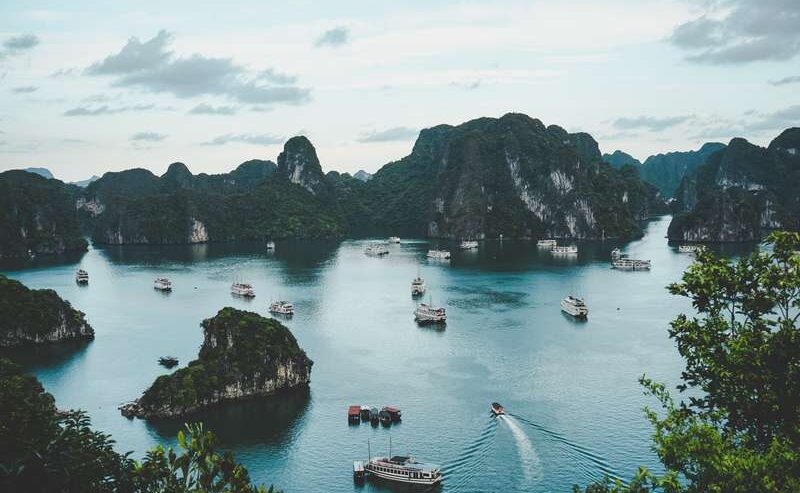
From the scenic Halong Bay in the north to the historic Cu Chi Tunnels in the south, Vietnam has so much to offer! But with limited time and money, you may not be able to visit both the north and south on the same trip. Fortunately, whichever region you pick, you’ll find plenty to see and do.
Discover the world’s top
health insurers.
Compare quotes with
a click of the button.
When planning your travel itinerary, you’ll find that Vietnam is home to some amazing wonders spread across the country. These include idyllic beaches, ancient temples, stunning wildlife, culinary delights, friendly locals, and not to mention more than a handful of UNESCO World Heritage Sites.
Before you finalize your list, it’s a good idea to familiarize yourself with the north and south of Vietnam – including popular destinations for tourists within those regions – so that you don’t miss out!

North Vietnam
Rich history, cultural heritage, and natural beauties are what come to mind when you talk about North Vietnam. Whether it’s Hanoi’s charm, Ha Long Bay’s breathtaking karsts, or Sapa’s mountainous landscapes, you’ll get to immerse in the region’s captivating blend of past and present.
Hanoi
As the capital of Vietnam, Hanoi is well-connected and is the perfect base to explore the north. The city itself is known for its lively streets and vibrant markets, including the narrow lanes of the Old Quarter, where you can sample delicious foods, and has a history of more than a thousand years.
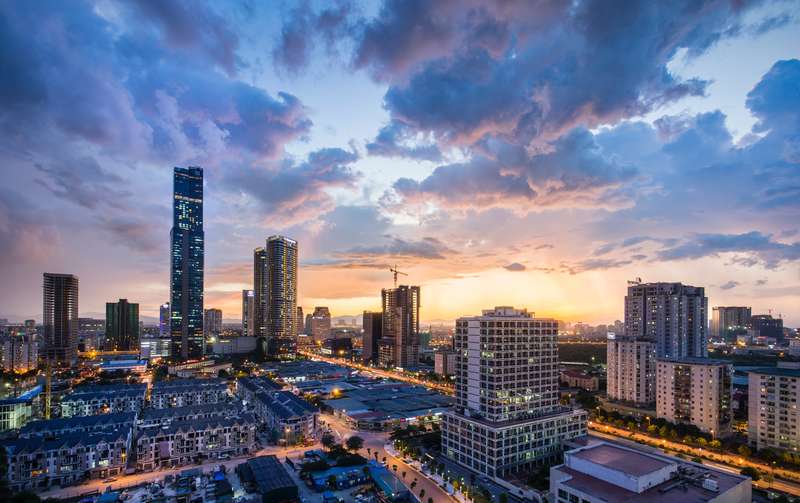
For sightseeing options, you can visit the many Buddhist temples and national museums in Hanoi, including significant landmarks like the Imperial Citadel of Thang Long, Hoan Kiem Lake, and the Temple of Literature.
With its preserved historical sites and traditional neighborhoods, Hanoi is a window into Vietnam’s past. But that’s not all the city has to offer. Enjoy its dynamic, urban side by visiting trendy cafes and partaking in its burgeoning nightlife.


Halong Bay
Located on the Gulf of Tonkin, Halong Bay is a UNESCO World Heritage Site covering around 150,000 hectares. Visitors are blown away by its outstanding natural beauty and unique biological importance. Case in point: the 1,600 limestone islands and islets rising from emerald sea water!
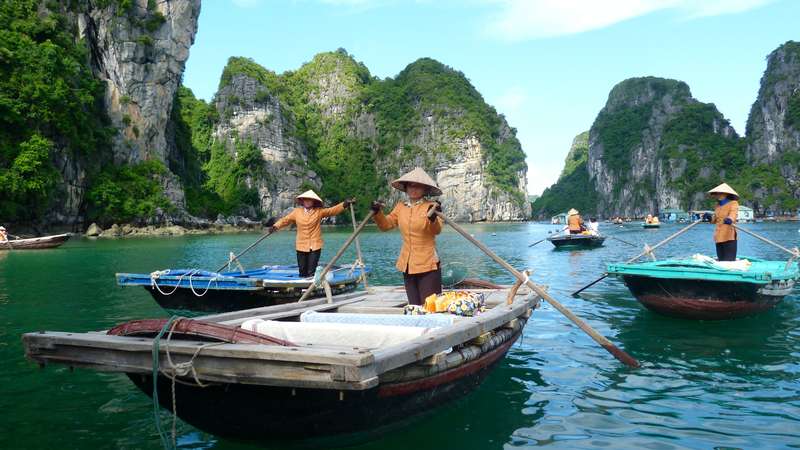
And that’s just the tip of the iceberg. Many of the rocks are hollow and you’ll find huge caves clustered inside of them that are waiting to be explored. Some of the notable caves include Sung Sot Cave (Surprise Cave), Thien Cung Cave (Heavenly Palace Cave), and Hang Dau Go (Wooden Stakes Cave).
There’s also no shortage of activities to do in Halong Bay. Whether you go swimming, kayaking, scuba diving, rock climbing, or hiking, your options are indeed endless – especially in the mountainous Cat Ba National Park.

Sapa
Visiting Sapa is like stepping back in time with its small, traditional-town vibes, panoramic mountain views, and well-preserved culture and traditions. Getting to this mountain region of north Vietnam is also not difficult as you can take an 8-hour bus journey from Hanoi.
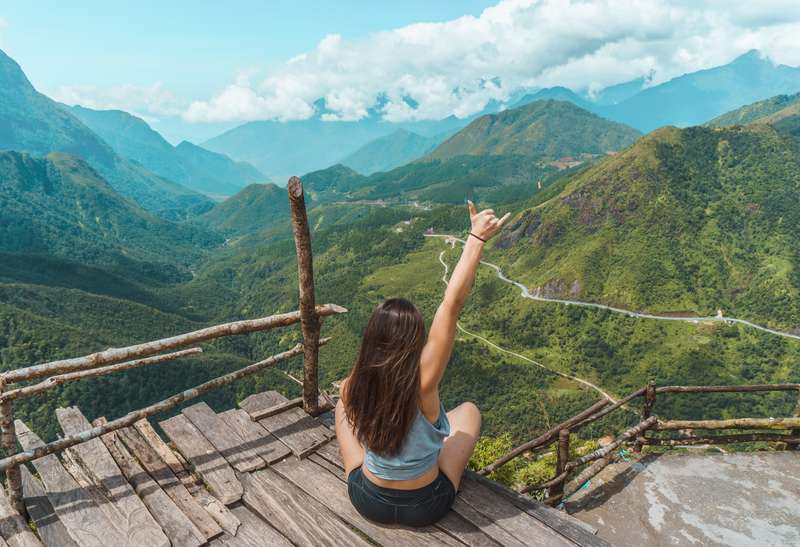
Sapa provides plenty of trekking and hiking opportunities that take you through lush greenery, misty valleys, majestic peaks, and picturesque views. Fansipan, the highest peak in Indochina, is also located near Sapa and regularly attracts adventurous climbers.
What’s more, you can interact with and learn about the communities of the Hmong, Dao, and Tay ethnic minority groups that are found in Sapa. Homestay is an option if you want to fully immerse yourself into their distinct way of life!

South Vietnam
South Vietnam is a region with diverse attractions that blend modernity with historical significance. Whether you visit the cosmopolitan and historic Ho Chi Minh City, unwind at beach towns like Nha Trang, or bask in the Mekong Delta’s lush landscapes, you’ll be in for a mesmerizing experience.
Ho Chi Minh City
Formerly known as Saigon, Ho Chi Minh is renowned for its dynamic energy and street life, including its bustling markets and food scene. With its French colonial architecture, War Remnants Museum, and Cu Chi Tunnels, you also definitely can’t forget the city’s past.
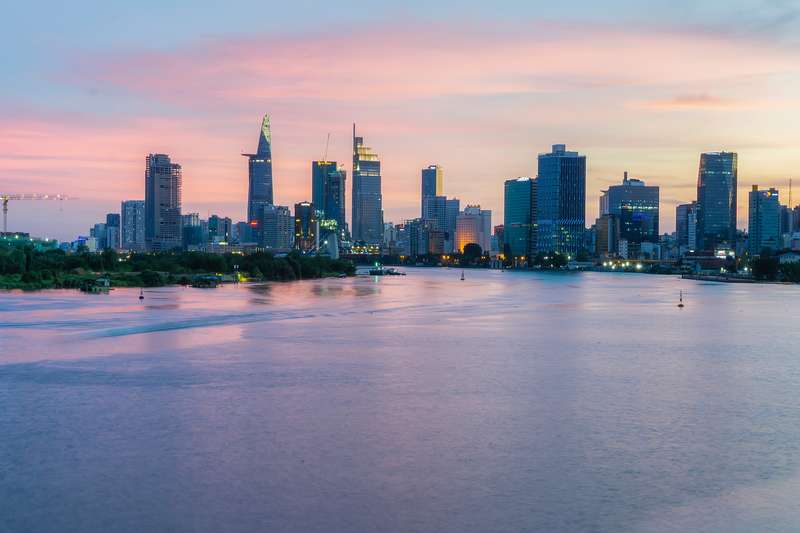
From pho (noodle soup) and banh mi (Vietnamese sandwich) to fresh spring rolls, there are so many delicious foods to try. You can visit the Ben Thanh Market for food (amongst other goods). There are also plenty of numerous bars, rooftop parties, and live music performances to enjoy.
The city’s colonial buildings like the Central Post Office, Notre Dame Cathedral Basilica, and Municipal Theatre give it a distinct charm. The War Remnants Museum and Cu Chi Tunnels, an intricate underground network, provide a powerful depiction of the Vietnam War. A must-visit for history buffs.

Nha Trang
Nha Trang is a beach town along Vietnam’s picturesque coastline – complete with pristine beaches, vibrant underwater life, and cultural sites like the Po Nagar Cham Towers. Thrill seekers will also not be disappointed as Vinpearl Land, an amusement park and resort complex, is on a nearby island.
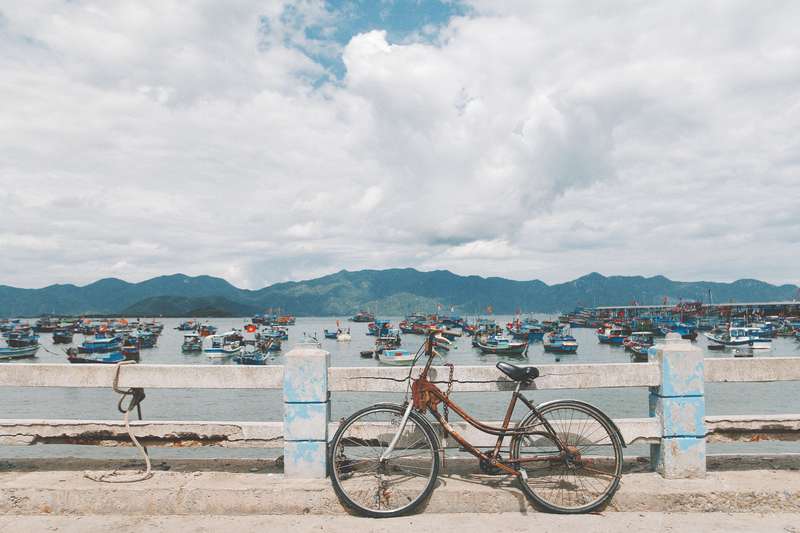
Stretching along the city’s coastline, Tran Phu Beach is the most famous beach in Nha Trang. Snorkeling and scuba diving are popular activities as the waters have pretty coral reefs and a diverse marine life. For rich biodiversity and amazing diving spots, head to the Hon Mun Marine Protected Area.
The advantage of being near the coast? Nha Trang has a delectable array of seafood dishes made with fresh local produce, including grilled fish and shrimp to famous dishes like banh canh cha ca (fish cake noodle soup). It’ll certainly make your mouth water!

Mekong Delta
Passing through a number of countries in the region, including southwest Vietnam, the Mekong Delta is an expansive network of rivers, swamps, and islands. You’ll find floating markets, rice paddies, pagodas, and villages in the area, with boats being the main mode of transportation.
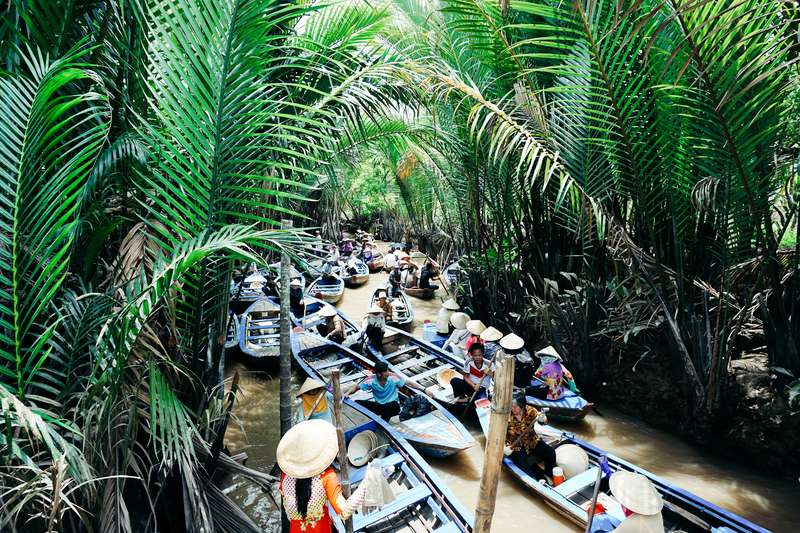
As the delta is rich in biodiversity, you’ll be able to visit the mangrove forests of Can Gio Biosphere Reserve and observe bird species in Tram Chim National Park. Wildlife lovers are certainly in for a treat!
If you opt for tours of the Mekong Delta, you’ll most likely start in Ho Chi Minh City. However, if you prefer to venture out on your own, you can also travel to and stay in Can Tho, a town in the heart of the delta. Homestays are especially popular for those who want an authentic experience!
Frequently Asked Questions
What are the most ideal and least ideal months for visiting Vietnam?
The most ideal months to visit Vietnam are November to April. In Hanoi and the northern regions, May to October can be very hot, humid, and prone to a lot of rainfall. While November to April is cooler and dryer, December and January can be especially cold in the far north.
How many days would be enough for a visit to Vietnam?
If you’re short on time, you can experience all the highlights in Vietnam in just a few days. But if you’d like to go at a slower pace or immerse yourself in the rich culture, you’ll need about 10 days or so in the country.
Which region is preferred by tourists: North or South Vietnam?
North and South Vietnam have plenty to offer tourists depending on their unique tastes and interests. Tourists who love the hustle and bustle of big cities will opt for Ho Chi Minh City in the south, whilst those craving more relaxed vibes will head up north to Hanoi.
Which of the two cities, Ho Chi Minh City or Hanoi, offers a more enjoyable experience for tourists?
For history buffs keen to take in traditional sights, Hanoi is certainly a good bet. Prefer a modern and vibrant atmosphere? Ho Chi Minh City will be right up your alley. Ultimately, both of these cities are major Vietnamese cities that can keep tourists entertained.
What is the most popular tourist spot in Vietnam?
By far, tourists hail Halong Bay as their favorite destination in Vietnam. As a UNESCO World Heritage Site, Halong Bay is known for its scenic beauty consisting of limestone islands and islets rising from the emerald waters of the Gulf of Tonkin.

Conclusion
Both north and south Vietnam have plenty to offer tourists. It’s impossible to say which region is better as it’ll depend on your needs and interests. Before choosing to travel to either of those regions, it’s wise to do your research on what’s on offer so that you make the most of your trip.
Have you visited elsewhere in Asia? Depending on the country you’ve visited, there might be some geographic, cultural, and historical similarities with Vietnam, which may determine the parts of the country you chose to visit. For example, you can check out our article on Indonesia vs. Vietnam.
Alongside research on what to see and do, it’s vital to find out how Vietnam’s healthcare system works and secure a valid health plan for yourself. Whether it’s through travel insurance or expat health insurance, you’ll have peace of mind knowing that you’re covered if illnesses or accidents occur.
As a global health insurance brokerage, with 20+ years of experience in the health insurance space, Pacific Prime can help you find the right plan for your needs and budget. What’s more, we provide a number of FREE value-added services like hospital recommendations, claims submission, and more.
Contact us today to get started!

With over 5 years of experience in the field, Suphanida spends the majority of her day synthesizing complex pieces of insurance-related information and translating this into easy-to-understand, engaging, and effective content across a variety of media such as articles, infographics, whitepapers, videos, and more.
Suphanida is also responsible for planning and publishing three whitepapers released annually by Pacific Prime: The State of Health Insurance Report, The Cost of Health Insurance Report, and The Global Employee Benefits Trends Report. Additionally, she handles the LinkedIn profiles of Pacific Prime’s Founder and CEO, as well as Global HR Lead.
Suphanida’s strengths lie in her strong research and analytical skills, which she has gained from her BA in Politics from the University of Warwick and Erasmus Mundus Joint MA in Journalism from Aarhus University and City, University of London.
Being of Thai-Indian origin and having lived, studied, and worked in Thailand, the UK, and Denmark, Suphanida also has a unique, multicultural perspective that helps her understand the struggles of expats and globetrotters.
Outside of work, she enjoys traveling to new places and immersing herself in different cultures.
- Why Should Employers Offer Smoking Cessation Programs? – July 30, 2025
- Is Bali Safe for Tourists? Safety Tips, Crime Risks, and Travel Advice – July 29, 2025
- Bali vs US Cost of Living: Full Comparison for Expats – July 23, 2025



Comments