300x85-png.webp)


 Hong Kong
 Singapore
 China
China Dubai
Dubai Thailand
 United Kingdom
 Mexico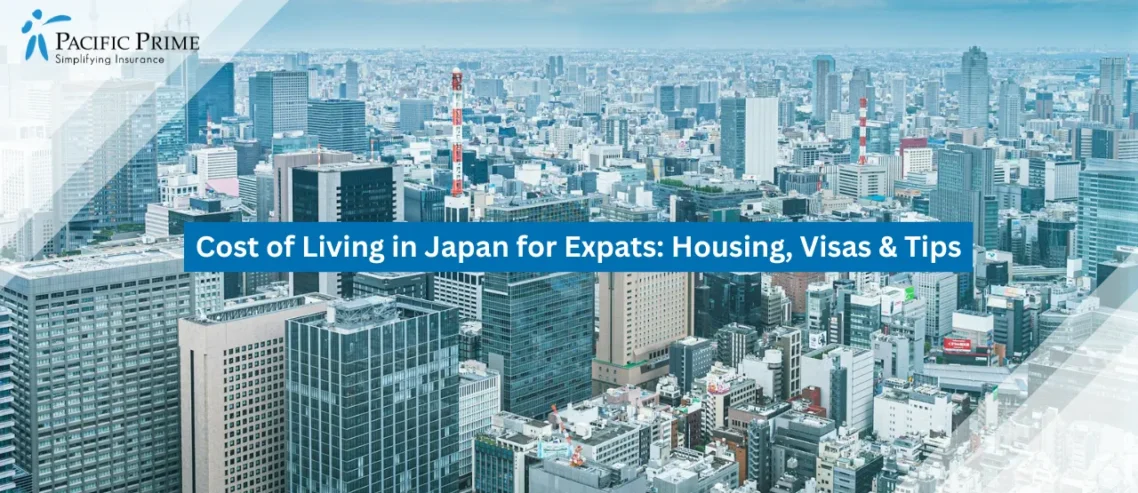
Living in Japan can be more affordable than many major Western countries, especially the United States. A single person typically spends around $1,097 per month, while a family’s average expenses are about $2,818. The country offers high-quality healthcare, efficient public transportation, and safe communities, making it an appealing choice for expats looking for a balanced lifestyle.
Discover the world’s top
health insurers.
Compare quotes with
a click of the button.
To move to Japan, you’ll need to meet specific visa requirements based on your reason for relocating, whether it’s for work, study, or business. Many expats also choose international private health insurance to ensure seamless access to medical care and English-speaking doctors. Understanding these essentials early on helps make your transition smoother and sets the foundation for a comfortable life in Japan.
Japan vs USA: Cost of Living Breakdown
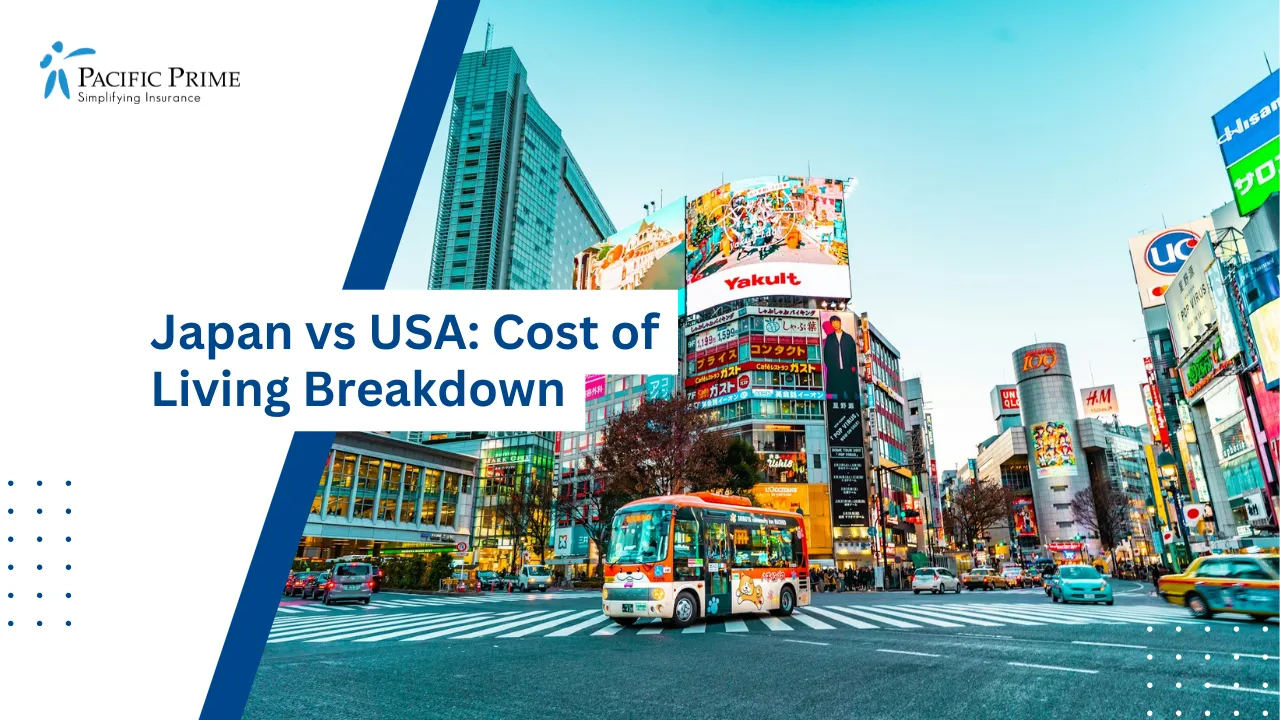
Living abroad as an expat or digital nomad in Japan is a change– you need to consider all aspects of the cost of living, such as rent, groceries, travel expenses, salary, educational fees, and health insurance. Japan is more affordable than the United States, and we’re here to tell you why!
By breaking down each of these categories for you, we’ve laid out an easy-to-follow guide that is your go-to resource when determining if Japan is the right country for you.
If you get to the end of this article and are confident in choosing Japan, you’ll be ready to explore the best places to live in Japan!
Japan vs USA Cost of Living Comparison
The average cost of living in Japan for one person is $1,097 a month, while in the USA it’s $2,433 a month. For a family to live in Japan, it costs $2,818 a month on average, compared to $5,667 in the United States.
These values are intended to give you an idea of the average cost of living in Japan, but they are not exact prices. Here, we’ll compare housing, food, and transportation, as well as average salaries, between Japan and the USA.
Housing Costs: Japan vs the USA
Rent for one person living in Japan costs $496 a month on average vs. $1,552 a month in the USA.
Rent for a family living in Japan costs $967 a month on average vs. $2,331 a month in the USA.
These vary depending on how close you are to the city center and which city you are in. The average housing cost is:
- 1-bedroom apartment downtown: $484 in Japan vs. $1,611 in the USA
- Cheap 1-bedroom apartment: $337 in Japan vs. $1,301 in the USA
- 3-bedroom apartment downtown: $1,107 in Japan vs. $2,861 in the USA
- Cheap 3-bedroom apartment downtown: $704 in Japan vs. $2,352 in the USA

Food Prices Compared: Japan vs USA
On average, food expenses cost $407 a month in Japan vs. $568 a month in the USA. Eating out in a restaurant is about half as expensive in Japan as it is in the United States, although buying groceries seems to be relatively comparable with only select items being cheaper in Japan.
Eating out averages:
- Lunch: $6.35 in Japan vs. $18.40 in the USA
- Dinner: $35.40 in Japan vs. $73.10 in the USA
- Fast food meal: $4.89 in Japan vs. $10.5 in the USA
Grocery averages:
- 1 L of milk: $1.4 in Japan vs. $1.09 in the USA
- 0.5 kg of bread: $1.51 in Japan vs. $3.44 in the USA
- 1 kg of rice: $2.96 in Japan vs. $4.32 in the USA
- 12 eggs: $2.08 in Japan vs. $3.89 in the USA
- 1 kg of chicken: $6.18 in Japan vs. $11.80 in the USA
- 1 kg of apples: $4.31 in Japan vs. $5.02 in the USA
Transportation Costs in Japan vs USA
Transportation expenses in Japan cost $130 a month on average vs. $104 a month in the USA. Monthly tickets for public transportation are almost equal between the two countries, but a single taxi ride in Japan is about one and a half times the cost of a ride in the USA.
The average costs of the below transport options are:
- Local transport ticket: $1.68 in Japan vs. $2.38 in the USA
- Monthly local transport ticket: $59.40 in Japan vs. $71.80 in the USA
- Taxi ride for 5 miles: $25.30 in Japan vs. $18.40 in the USA
- ¼ gallon of gas: $1.1 in Japan vs. $0.99 in the USA
Average Salaries: Japan vs USA
The average monthly salary after tax in Japan is $2,172 vs. $4,694 in the USA, and these vary greatly based on your occupation and where you live.

How Affordable Is Life in Japan?
The average cost of living in Japan is 55% lower than the average cost of living in the United States. Surprisingly, Japan is not too expensive to live in assuming you are used to a Western lifestyle and living standards.
Japan ranks as the 67th most expensive country in the world while the USA is the 7th. There are definitely places near city centers and the countryside that are both very affordable.
When determining if you can afford Japan, you may want to consider your educational and healthcare expenses as well.
Education in Japan: What Expats Should Know
The public education systems in Japan consistently rank in the top 10 around the globe. They emphasize teaching morals and ethics and developing students into strong, resilient adults instead of solely focusing on learning facts. However, there is strong academic pressure to succeed.
Children are compelled to attend school from ages 6 – 15 (grades 1-9), and grades 10-12 are not required, though most students still attend. The school year lasts the entire calendar year from April – March and many students even attend an additional Saturday school.
It is free for foreign students to attend public schools, though there are customary fees for lunches, materials, uniforms, and PTA contributions.
There are also international schools available that expats may prefer to send their children to. One of the biggest benefits of this is that these schools can teach in English. Another is that the classes are smaller which means more adaptation to each student’s needs, especially to students with special needs.
International schools are expensive and can cost $13,000 – $28,000 annually, plus the fees for uniforms, materials, and registration.
Healthcare in Japan for Expats
The healthcare system in Japan is ranked as the fourth-best in the world, and it is one of the most cost-efficient systems. 70% of all fees are paid for by two health insurance schemes set up by the government. The remaining 30% of fees are paid for by the patient.
These are the two government schemes that foreigners and expats can participate in:
- Social Health Insurance (SHI): This is a program that all full-time employees of medium to large companies participate in. It automatically takes about 5% of your salary and contributes it to the SHI funds.
- National Health Insurance (NHI): This is a program for employees of small companies and self-employed individuals. The amount they contribute to the NHI funds is determined based on individual income.
Note: The SHI program doesn’t take effect for expats until a year after you’ve moved and begun working in Japan. That means you’ll need to get a private healthcare plan in Japan to fill that gap.
You may also want a private plan to have access to English-speaking medical personnel and world-class services. If you have further questions, learn more about Japan’s public and private healthcare options.

Cultural Tips for Americans Moving to Japan
Living in Japan as an American may mean you will be unfamiliar with many of the cultural traditions that make the Japanese who they are. These may include the Shinto and Buddhist religions, geisha and maiko entertainers, Japanese theater, and the Samurai warrior class.
To ease your transition, here are a few social convention tips to help you respect the locals and learn to embrace their ways:
- Bowing: There are several forms of bows, though you are not always expected to bow. The eshaku 15-degree bow is semi-formal and will likely be the one you use the most when a simple head nod is not adequate.
- Removing your shoes: To show respect and preserve cleanliness, take off your shoes when entering a ryokan (traditional guesthouse), a home, a temple, or some restaurants.
- Calling others “san”: Similar to saying Mr. or Mrs., add “san” to the last name of someone you greet. For example, you’d call Mrs. Suzuki “Suzuki-san.”
How to Relocate from the USA to Japan
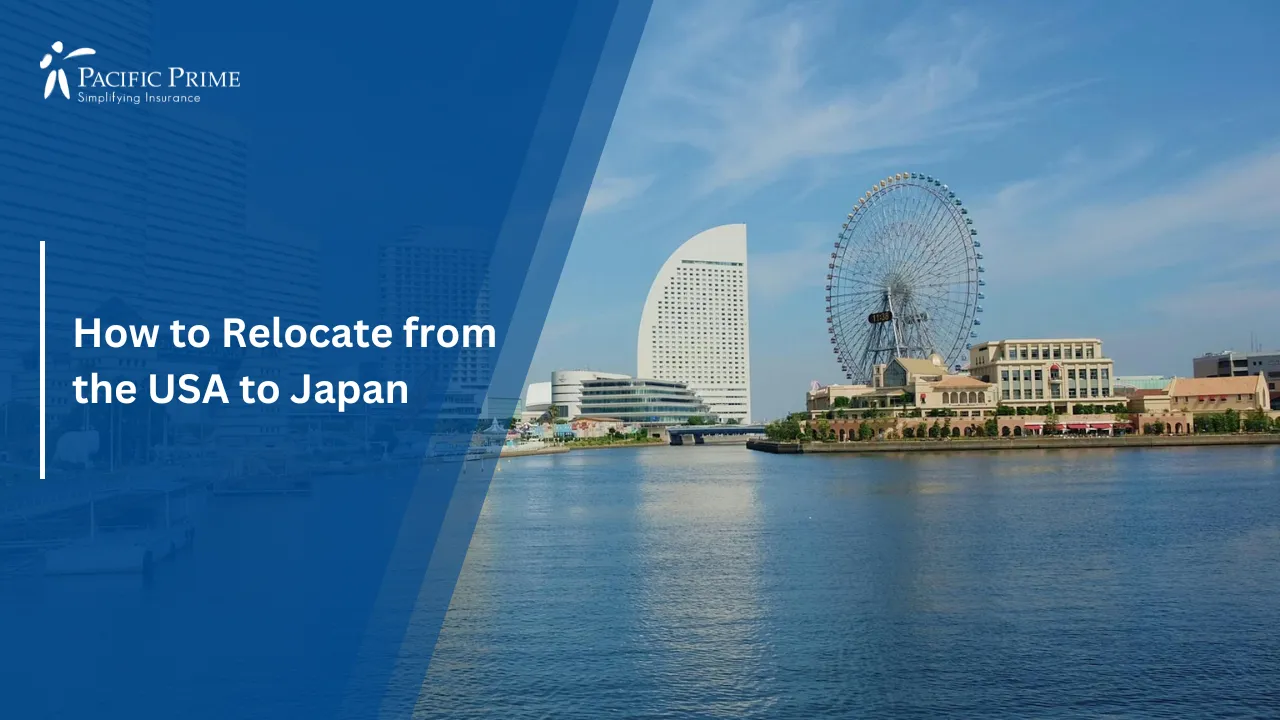
When moving to Japan from the USA, you will need to apply for the correct visa that allows you to reside in the country for longer than 90 days. Your visa options are highly skilled professional visas, working visas, general visas, specified visas, start-up visas, diplomatic visas, and official visas.
This is a list of some of the types of Japanese work and long-term stay visas:
Highly skilled professional visas
- Highly skilled professional
- Special highly skilled professional
- Highly skilled foreign professional
Working visas
- Professor
- Artist
- Religious activities
- Journalist
- Business manager
- Legal/accounting services
- Medical services
- Researcher
- Instructor
- Engineer/specialist in humanities
- Intra-company transferee
- Nursing care
General visas
- Cultural activities
- Student
- Training
- Dependent (Family stays)
To apply for your visa, you’ll need to personally go to your nearest Japanese Embassy and present all necessary documents before you move overseas.
Conclusion
You now have a better understanding of how much it might cost you to live in Japan as an expat or digital nomad. We hope this information has been helpful! If you’re not committed to Japan just yet, consider living abroad in Taiwan or Malaysia.
Nonetheless, wherever you choose as your next destination, international health insurance is still recommended since it provides coverage for expats virtually anywhere in the world, including the new destination and in their home country.
Pacific Prime can help you filter out health insurance plans for Japan or other locations that fulfill your unique healthcare needs and budget, so you can rest assured that you’ll have access to top-notch healthcare services in private medical facilities wherever you are in the world.
Contact us today for impartial advice, or get quoted now!


Since joining Pacific Prime, Eric was exposed to a new world of insurance. Having learned about insurance products extensively, he has taken joy and satisfaction in helping individuals and businesses manage risks and protect themselves against financial loss through the power of words.
Although born and raised in Hong Kong, he spent a quarter of his life living and studying in the UK. He believes his multicultural experience is a great asset in understanding the needs and wants of expats and globe-trotters.
Eric’s strengths lie in his strong research, analytical, and communication skills, obtained through his BA in Linguistics from the University of York and MSc in Teaching English to Speakers of Other Languages (TESOL) from the University of Bristol.
Outside of work, he enjoys some me-time gaming and reading on his own, occasionally going absolutely mental on a night out with friends.
- Dubai Laws for Expats: Key Rules to Know Before Moving – October 17, 2025
- Cost of Living in Japan for Expats: Housing, Visas & Tips – October 14, 2025
- Cost of Giving Birth in Mexico: Expenses, Care, and Benefits – August 19, 2025


Comments