300x85-png.webp)


 Hong Kong
 Singapore
 China
China Dubai
Dubai Thailand
 United Kingdom
 Mexico
The estimated cost of living for a family of four in Japan is USD $3,263 and USD $924 for a single person per month without rent. The cost of living in Japan varies widely from one city to another: for example, the cost of living in Tokyo is more than that of Osaka.
Discover the world’s top
health insurers.
Compare quotes with
a click of the button.
This Pacific Prime article covers the cost of living in Japan, from housing, food, and utilities to transportation, education, and healthcare. We’ll also tell you why having comprehensive international health insurance in Japan is one of the better decisions you can make for your health and wallet.
Housing Costs in Japan: Renting and Buying as an Expat
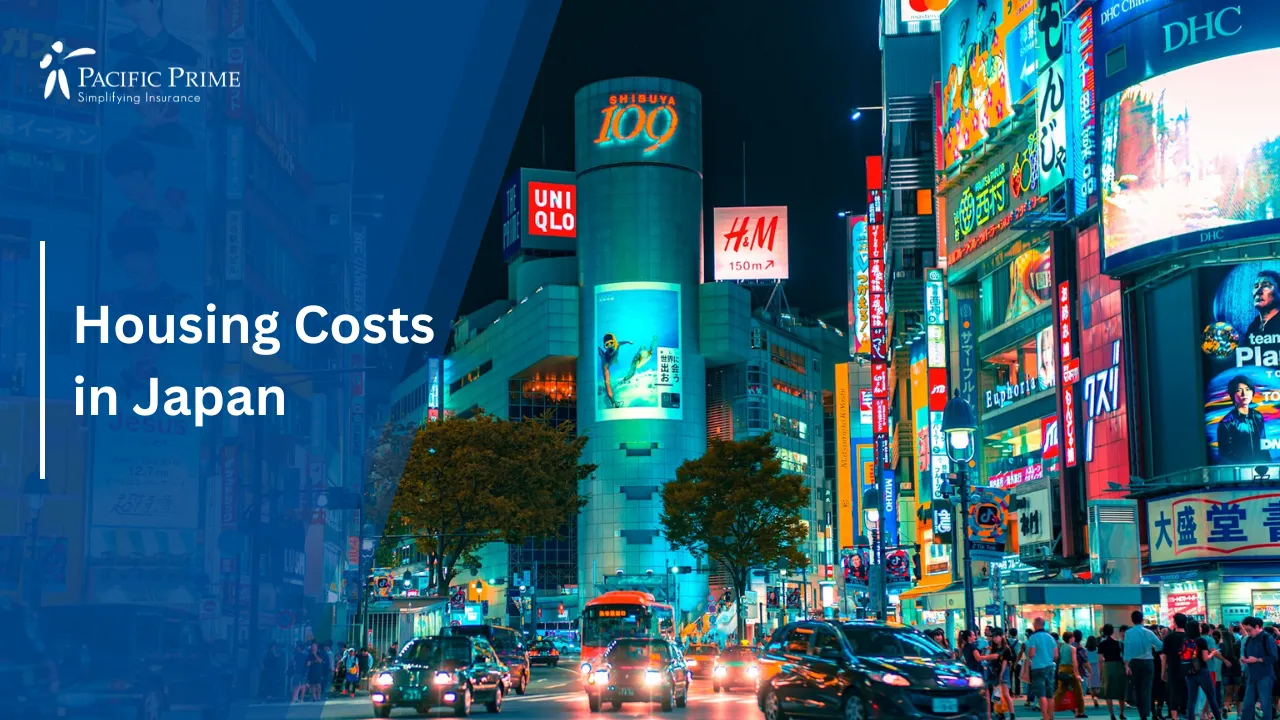
The Japanese rental market is notoriously challenging for expats who don’t speak the language, with an estimated 80–90% of real estate companies being unwilling to rent to foreigners.
This is simply because there are no laws in Japan against rental discrimination towards foreigners, meaning that landlords can openly specify “no foreigners” in their listings without facing any penalties.
For expats searching for a place in Japan, you can save a lot of time and headaches by using foreigner-friendly real estate agents for the whole process.
Renting in Japan as an Expat
Renting an apartment in Tokyo, or any major city in Japan in general, is usually expensive, with the initial costs typically amounting to five to six times the monthly rent.
This sum includes a security deposit of at least one or two months’ rent, which also often doesn’t get fully refunded upon moving out, as landlords will charge for repairs and renovations. Here’s the key vocabulary you should know for Japan’s rental market:
| Key money | A nonrefundable payment made to the landlord when signing a lease, typically equal to one to two months’ rent. | |||
| Renewal fee | A nonrefundable payment when renewing the lease, usually in the second year of tenancy. | |||
| Brokerage fee | A fee paid to the real estate agency, typically equal to one month’s rent plus 10% consumption tax. | |||
| Guarantee fee | If a guarantor company is used, tenants pay 50–100% of one month’s rent to the company as a one-time fee. | |||
| Security deposit | Refundable in most cases, unless there is damage beyond normal wear and tear. A standard cleaning fee is typically deducted. | |||
Rental Prices in Tokyo
As of 2025, Tokyo maintains its position as the most expensive rental market in the country, with an average monthly rent of ¥224,000 (USD $1,567) for single-family detached homes and around ¥95,000 (USD $665) for a studio apartment.
If you want to live within a 30-minute commute to work and stay close to the heart of Tokyo, consider settling in one of the city’s central wards. But they’ll come at a premium rent, which can cost up to 30% or more of your income, or around ¥100,000 (USD $700) to ¥300,000 (USD $2,099).
Tokyo’s central wards include:
- Chiyoda-ku
- Chuo-ku
- Minato-ku
- Shibuya-ku
- Shinagawa-ku
- Shinjuku-ku
Minato-ku, home to top companies, embassies, and the expat-friendly Roppongi district, is the priciest. Chiyoda-ku, where the Imperial Palace is located, comes second in price. If you want to live in Tokyo’s central wards, expect to pay a high price for a room.
In general, the farther you move from central Tokyo, the more affordable housing becomes. The outer eastern and northern wards offer some of the best value for budget-conscious renters:
- Katsushika-ku
- Nerima-ku
- Itabashi-ku
- Adachi-ku
- Arakawa-ku
- Edogawa-ku
- Kita-ku
With a budget of around ¥100,000 (USD $700), you can find a spacious 40-sq.-m. one-bedroom apartment, which is far roomier than options in the city center. Many of these properties are even modern or newly built, offering excellent value for money.
Osaka’s Rental Market
Osaka is a budget-friendly alternative to Tokyo while still delivering the perks of a vibrant city lifestyle, being the third-largest city in Japan after Tokyo and Yokohama. The average rent across all property types in Osaka is around ¥86,970 (USD $608)—about 39% lower than Tokyo’s.
Its affordability makes Osaka an increasingly popular choice for expats looking to enjoy urban life in Japan without the high price tag. Studio apartments average ¥42,722 (USD $299) monthly, while basic one-bedroom units cost approximately ¥50,824 (USD $356).
Kyoto’s Rental Options
Kyoto is ideal if you want to enjoy traditional Japanese culture and the historic charm of the old capital. In central areas like Higashiyama or Gion, a one-bedroom apartment goes for around ¥60,000 (USD $420) to ¥120,000 (USD $840) per month. If you’re on a budget, you can find cheaper places in the city’s outskirts.

Buying a Property in Japan as an Expat
Foreigners can buy property in Japan without legal restrictions or citizenship requirements. Generally, you need identifying documents and an affidavit, which is an official document that proves your identity and evidence of your current address.
It’s important to note that, unlike many countries where real estate often appreciates in value over time, property prices in Japan generally tend to depreciate. This is due to several factors unique to the country.
Firstly, Japanese homes typically require significant ongoing maintenance and periodic renovations to remain functional and safe, which can be costly.
Secondly, most people prefer to buy new properties rather than older ones, as new constructions are more modern, energy-efficient, and better equipped to withstand Japan’s frequent natural disasters such as earthquakes, typhoons, and heavy rains.
Consequently, older homes often lose value rapidly, and resale prices tend to decline, which is an important consideration for buyers looking at long-term investment potential.
It’s also crucial to understand that buying property in Japan does not confer any legal residency or immigration benefits. Foreign buyers must still obtain and maintain the appropriate visa through Japan’s immigration system to live in the country legally.
Utility Costs in Japan
For individuals living alone in a typical one-bedroom apartment, utility costs in Japan tend to be more moderate but still represent a notable portion of monthly expenses. Based on current data from 2025, here is an overview of average monthly utility costs for a solo resident:
Electricity Costs in Japan
Electricity bills for a single occupant usually range between ¥4,000 (USD $28) and ¥7,000 USD $49) per month. Usage varies during winter or summer months due to factors such as heating or air-conditioning needs, appliance efficiency, and lifestyle habits.
Gas Costs in Japan
Gas costs around ¥2,000 (USD $14) to ¥4,000 (USD $28) depending on usage patterns and property size. Many newer Japanese apartments feature electric stovetops, which can cut gas costs but potentially increase the electricity bill.

Water and Sewage Costs in Japan
Water and sewage charges for a one-bedroom apartment usually range from ¥1,500 (USD $10) to ¥3,000 (USD $21) per month, depending on consumption. Water rates include a fixed base fee plus variable charges based on usage. Some municipalities offer subsidies or discounts, especially during summer.
Internet and Mobile Phone Costs in Japan
High-speed internet plans suitable for a single user typically cost between ¥3,000 (USD $21) and ¥5,000 (USD $35) monthly. Mobile phone plans with moderate data packages average around ¥2,500 (USD $17) to ¥4,000 (USD $28) per month, depending on the carrier and contract type.
Here’s a summary of average monthly utility costs for a single resident:
| Utility | Average Monthly Cost (¥) | Average Monthly Cost (USD) |
| Electricity | 4,000–7,000 | $28–49 |
| Gas | 2,000–4,000 | $14–28 |
| Water & Sewage | 1,500–3,000 | $11–21 |
| Internet | 3,000–5,000 | $21–35 |
| Mobile Phone | 2,500–4,000 | $18–28 |
Groceries & Food Costs in Japan
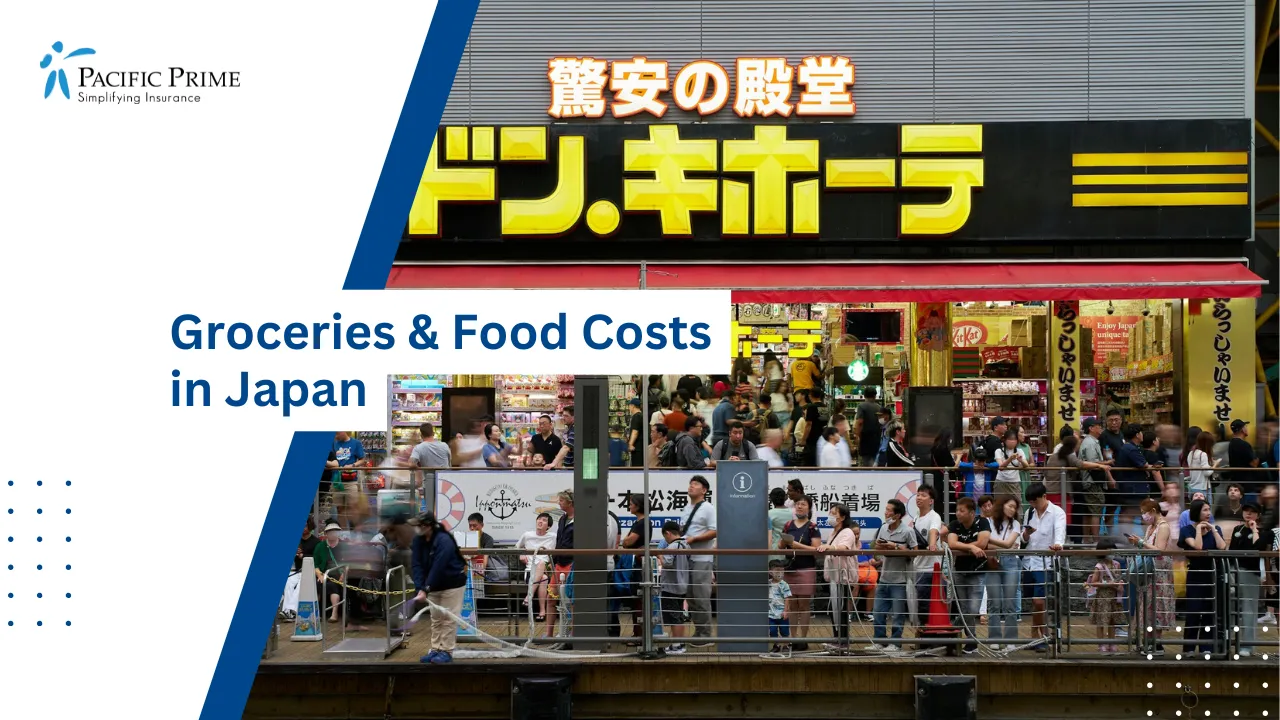
Food expenses in Japan vary depending on lifestyle, location, and shopping habits. For a single person cooking at home, the average monthly grocery bill is around ¥38,000 to ¥46,000 (USD $266 to $324). Households generally spend more, averaging about ¥69,000 (USD $482) monthly on food.
Here are typical grocery prices in Japan:
| Product | Price Range (¥) | Price Range (USD) |
| Bananas (1 bunch) | ¥158–¥398 | $1.10–$2.78 |
| Potatoes (1 kg) | ¥558–¥798 | $3.90–$5.58 |
| Bread (1 loaf) | ¥97–¥680 | $0.68–$4.75 |
| Milk (1 liter) | ¥150–¥399 | $1.05–$2.79 |
| Coffee (1 kg) | ¥2,290–¥6,200 | $16.00–$43.36 |
| Rice (1 kg) | ¥790–¥1,200 | $5.52–$8.39 |
| Eggs (10) | ¥200–¥330 | $1.40–$2.31 |
| Orange juice (900ml) | ¥359 | $2.51 |
| Tomatoes (1 kg) | ¥1,326–¥1,996 | $9.26–$13.95 |
A 0.5-liter bottle of local beer typically costs between ¥200 and ¥450 (approximately USD $1.40 to $3.15), while imported beer in a smaller 0.33-liter bottle ranges from ¥250 to ¥550 (USD $1.75 to $3.85).
Dining out in Japan offers a range of affordable options. Simple and quick lunch sets at casual eateries often cost between ¥800 and ¥1,500 (USD $5.60 to $10.50). For dinner, a casual meal at an “izakaya,” a Japanese term for pub, usually costs between ¥1,500 and ¥3,000 (USD $10.50 to $21).
Convenience stores also offer cheap bento boxes, with prices typically ranging from ¥400 to ¥700 (USD $2.80 to $4.90), making them a popular choice for quick and affordable meals.

Transportation Costs in Japan
Navigating Japan is both convenient and efficient thanks to its extensive and reliable transportation network. With high-speed trains to local subways, taxis, and car rentals, Japan’s residents and visitors have various choices to suit different preferences and budgets.
Trains: Japan’s Railway System
Japan’s train system is world-famous for its punctuality, cleanliness, and speed. For travelers and residents alike, trains are often the most efficient way to get around.
Available to temporary visitors only, the nationwide Japan Rail Pass (JR Pass) offers unlimited travel on most JR trains. As of 2025, the ordinary adult 7-day JR Pass costs around ¥50,000 (USD$350), 14-day ¥80,000 (USD$560), and 21-day ¥100,000 (USD$700).
Expats living in Japan with residency visas such as work, student, or permanent resident status are not eligible to purchase the national JR Pass. However, any non-Japanese passport holders can still buy and use several regional JR passes, such as:
- Tokyo Wide Pass: Covers a wide area around Tokyo, including the Fuji Five Lakes and the Izu Peninsula.
- JR East Tohoku Area Pass: Covers the Kanto and Tohoku regions.
- JR East Nagano Niigata Area Pass: Covers JR trains in most of the Kanto region and the Yamanashi, Nagano, and Niigata prefectures.
- JR East-South Hokkaido Rail Pass: Perfect for travel from Tokyo to Sapporo and other surrounding areas.
- JR Tohoku–South Hokkaido Rail Pass: Covers the Tohoku and South Hokkaido regions.
These regional passes are available for purchase at major JR stations and online platforms. They can be a cost-effective option for residents planning travel within these specific areas.
Taxis Prices in Japan
Taxis in Japan are known to be expensive. The initial fare starts around ¥600 to ¥700 (~$4 to $5) for the first kilometer, with incremental charges of about ¥100 to ¥200 (~$0.7 to $1.4) for every additional 200–300 meters. For short trips within cities, expect to pay at least ¥1,000 (~$7) or more.
Renting a Car in Japan
Car rentals in Japan make exploring less accessible rural areas convenient. Rental prices vary by car type and season. Small cars typically rent for about ¥6,500 to ¥9,200 (USD $45 to $64) per day, with June being the cheapest month to rent.

Entertainment and Leisure: Enjoying the Japanese Culture
For foreigners living in or visiting Japan, the cost of having fun can vary depending on location, lifestyle, and interests. Whether you’re watching a movie, singing karaoke, going to theme parks, or attending local festivals, Japan offers it all, mostly at affordable prices too.
Popular Entertainment Activities and Their Costs
Movies: Watching a film typically costs between ¥1,800 and ¥2,000 (USD $13 to $14), with discounted student tickets around ¥1,500 (USD $11). Many theaters offer special discount days, such as “Movie Day” on the 1st of each month, when tickets are discounted to ¥1,200 (USD $8).
Gym Memberships: Standard gyms charge between ¥6,000 and ¥15,000 (USD $42 to $105) per month, while 24-hour gyms offer more affordable plans from ¥3,000 to ¥10,000 (USD $21 to $70). Specialized studios for yoga or Pilates sessions cost approximately ¥2,000 to ¥4,000 (USD $14 to $28) per class.
Theme Parks and Tourist Attractions: Popular theme parks like Tokyo Disneyland or Universal Studios Japan charge about ¥8,000 to ¥10,000 (USD $56 to $70) for a one-day ticket. Entrance fees for cultural sites such as temples and gardens usually range from ¥500 to ¥1,000 (USD $3.50 to $7).
Karaoke: Karaoke is a favorite pastime among foreigners and locals alike. Typical costs are around ¥500 (USD $3.50) per person per hour, with food and drinks priced separately. Many venues offer all-you-can-sing packages at a flat rate, which can be a saver.
Hot Springs (Onsen): Visiting an onsen is a quintessential Japanese experience. Day-use fees range from ¥500 to ¥2,000 (USD $3.50 to $14), while overnight stays at traditional ryokans with meals included cost between ¥15,000 and ¥30,000 (USD $105 to $210) per night.
Cultural Experiences: Foreigners often enjoy traditional activities such as tea ceremonies, calligraphy, or kimono rentals. Prices vary widely, typically from ¥1,000 to ¥10,000 (USD $7 to $70) depending on the activity and location. Many experiences offer English-speaking guides or classes as well.
Cost of Education in Japan

Japanese public schools are known for their high standards and discipline. Tuition is free for elementary school up until junior high school. However, all classes are conducted exclusively in Japanese, which can be challenging for non-native speakers.
For many expat families, private international schools are the preferred option. These schools offer curricula in English, such as the International Baccalaureate (IB), American, British, or other international systems, giving a familiar environment for children who may not speak Japanese fluently.
According to recent data, here are the average total annual fees per grade for international schools in Japan.
| Age | Grade | Total Fees (JPY) | Total Fees (USD) |
| 3 | Kindergarten 1 | ¥2,160,000 | $15,120 |
| 4 | Kindergarten 2 | ¥2,160,000 | $15,120 |
| 5 | Kindergarten 3 | ¥2,560,000 | $17,920 |
| 6 | Grade 1 | ¥2,560,000 | $17,920 |
| 7 | Grade 2 | ¥2,650,000 | $18,550 |
| 8 | Grade 3 | ¥2,650,000 | $18,550 |
| 9 | Grade 4 | ¥2,650,000 | $18,550 |
| 10 | Grade 5 | ¥2,650,000 | $18,550 |
| 11 | Grade 6 | ¥2,650,000 | $18,550 |
| 12 | Grade 7 | ¥2,760,000 | $19,320 |
| 13 | Grade 8 | ¥2,760,000 | $19,320 |
| 14 | Grade 9 | ¥2,800,000 | $19,600 |
| 15 | Grade 10 | ¥2,800,000 | $19,600 |
| 16 | Grade 11 | ¥2,800,000 | $19,600 |
| 17 | Grade 12 | ¥2,800,000 | $19,600 |
In Japan, it’s common for students to attend after-school tutoring centers known as gakushu juku. These schools are designed to boost academic performance and prepare kids for tough entrance exams, offering everything from help with homework to intense cram sessions in specific subjects.
Most kids start going to juku around third or fourth grade. These sessions typically run from 5 to 8 p.m., sometimes even later, and often continue through weekends, holidays, and school breaks, leaving little downtime for the students.
It’s also a costly commitment. Parents of fourth graders, for example, can expect to spend between ¥600,000 and ¥800,000 a year (roughly USD $4,200 to $5,600) to keep their child enrolled. For older students, this amount can reach up to 1 to 1.5 million yen (USD $7,000—$10,500).
Costs for public universities are on the rise and generally come to around ¥2.4 million (USD $16,800) for four years. For private universities, humanities courses cost on average ¥4.4 million (USD $30,800) over four years, while science courses (non-medical) cost around ¥6.5 million (USD $45,500).

The Cost of Healthcare in Japan
Japan is known for having one of the best healthcare systems in the world, with high-quality care and easy access that contribute to its famously long life expectancy.
Everyone living in Japan, including its citizens and foreigners staying more than three months, is eligible to use the public health insurance system. That said, treatment isn’t entirely free, and many expats choose to get extra health insurance for better coverage and peace of mind.
Below, we’ll break down common healthcare costs in Japan, from basic checkups to specialized treatments, and share tips on where expats can go for care.
Cost of General Doctor Consultations in Japan
For insured patients, initial consultations at clinics typically cost ¥5,000 to ¥10,000 (USD $35—$70), while hospitals charge ¥10,000 to ¥15,000 (USD $70–$105) for the first visit.
If you don’t have Japanese health insurance, or if your foreign insurance requires you to pay upfront and claim later, it’s a good idea to bring around ¥20,000 (USD $140) for your first visit to a clinic and ¥20,000 to ¥50,000 (USD $140–$350) for your first hospital consultation.
Follow-up appointments tend to be cheaper than your first consultation, costing between ¥1,000 and ¥3,000 (USD $7–$21) at general clinics. Some international clinics accept Japanese health insurance, but copayments may be higher. Follow-up visits can cost between ¥5,000 and ¥15,000 (USD $35–$105).
Most clinics only accept cash, so it is advisable to carry sufficient funds.
Cost of Specialist Consultations in Japan
Specialist fees depend on the field and facility. For example, prenatal diagnostic tests like amniocentesis cost ¥100,000–¥200,000 (USD $700–$1,400), while a famous international hospital in Tokyo may charge ¥11,000 (USD $77) for a cardiac ultrasonography.
Consultations at expat-friendly hospitals often include English-speaking staff but may incur higher fees.
Cost of Health Checkups and Common Diagnostic Tests in Japan
If you’re insured in Japan—which, by law, should include 99% of people living here, working or not—you’re eligible for an annual health check. Full-time employees covered by kenkou hoken (健康保険) usually have this arranged by their company.
If you’re self-employed or currently not working, you’ll need to schedule your own appointment through the kokumin kenkou hoken (国民健康保険) system. Depending on your city and your age, you might qualify for a subsidy—or even a free check.
If you’re not sure which insurance you’re under or which one is best for your situation, our guide on international health insurance for foreigners in Japan breaks it all down.
For children, annual health checkups are typically arranged through the public school system. However, if your child attends a private school, the process may vary depending on the school’s own policies.
If you have to pay out-of-pocket for your general health checkup, the average cost in Tokyo is around ¥8,000 (USD $56). It gets a little cheaper in Osaka, where the average cost is ¥5,000 (USD $35). Some clinics offer simplified checkups at lower prices for younger adults or those opting for fewer tests.


Cost of Inpatient Rooms in Japan
Hospitalization fees include insured medical costs, room charges, and meals. A standard appendectomy costs ¥300,000–¥400,000 (USD $2,100–$2,800) with insurance.
Copayments range from 10% (seniors) to 30% (insured by national health insurance), with monthly caps of ¥57,600 (USD $403) for elderly patients. Private rooms at premium hospitals typically cost around ¥50,000 (USD $350) per night.
Cost of Common Surgeries in Japan
Surgeries in Japan are relatively affordable compared to Western countries. For example:
- Appendectomy: ¥300,000–¥400,000 (USD $2,100–$2,800)
- Cataract surgery (per eye): ¥200,000–¥300,000 (USD $1,400–$2,100)
- Cesarean section: ¥500,000–¥700,000 (USD $3,500–$4,900)
Insurance typically covers 70–90% of these costs. Some also opt for private medical insurance to cover the rest of the co-payment costs.
Cost of Medication in Japan
Prescription drugs are subsidized, with insured patients paying 30% of the cost. A month’s supply of common antibiotics costs ¥1,000–¥3,000 (USD $7–$21), while chronic condition medications (e.g., hypertension) average ¥5,000 (USD $35) monthly.
Over-the-counter pain relievers like ibuprofen cost ¥500–¥1,000 (USD $3.50–$7) per pack. Japan is well-known for having many chains of drugstores like Tsuruha or Matsumoto Kiyoshi, where you can conveniently find and buy OTC medicines.
Cost of Dental Care in Japan
Dental fees in Japan follow a government-regulated point system (1 point = ¥10). Basic cleanings cost ¥3,000–¥5,000 (USD $21–$35), while crown repairs average ¥3,980 (USD $28). Orthodontic treatments range from ¥500,000 to ¥1,000,000 (USD $3,500–$7,000).
Most clinics accept the national health insurance and other private providers, reducing out-of-pocket costs to 30%.
Cost of Accident Treatments in Japan
Emergency care for accidents, such as fractures or burns, costs around ¥50,000–¥200,000 (USD $350–$1,400), including imaging and minor surgery, while severe cases requiring ICU stays can exceed ¥1,000,000 (USD $7,000).
Japan’s national health insurance also limits how much you pay out of pocket each month, based on your income. If your monthly medical bills exceed a set threshold, part of the cost is reimbursed.
For standard treatments, the monthly cap is typically around ¥25,000 (USD $175) for most earners, and about ¥50,000 (USD $350) for higher incomes (those with a monthly salary of ¥530,000 or more).
Expat-Friendly Hospitals in Japan
Though most expats find it hard to navigate Japan without the knowledge of the language, there are many renowned hospitals with English-speaking staff and tailored support for expatriates and tourists. Here are some of the best hospitals in Japan for expats:
1. St. Luke’s International
St. Luke’s Hospital in Tokyo provides English-language phone support and emergency care, making it a reliable choice for foreigners. It’s accredited by JCI and recognized internationally for its high standards in nursing care.
Address: 9-1 Akashicho, Chuo City, Tokyo
Call: +81 3-3541-5151, for appointments: +81-3-5550-7120
2. Kameda Medical Center
Kameda Medical Center, a JCI-accredited hospital, also provides emergency care and multilingual translation services. For non-emergency visits, patients are encouraged to call or use the Inquiry Form for International Patients.
Address: 929 Higashicho, Kamogawa, Chiba
Call: Emergency +81 4-7092-2211, appointments +81 4-7099-1111
3. Nagoya University Hospital
Nagoya University Hospital, another leading medical center in Japan, is JCI-accredited and offers both emergency and routine care. For non-urgent visits, foreign patients are advised to reach out ahead of time as outlined in their foreign patient guide.
Address: 〒466-8560 Aichi, Nagoya, Showa Ward, Tsurumaicho
Call: +81 52-741-2111
Bottom Line for the Cost of Healthcare in Japan
Japan’s national healthcare system balances affordability and quality, with insured patients paying 10–30% of total costs. Here are some key takeaways for expatriates living in Japan:
- Enroll in National Health Insurance (NHI) or ask your employer for group coverage.
- Take advantage of free annual checkups for preventive care
- For complex procedures, opt for expat-friendly hospitals for better experience and English-speaking staff
- Always carry cash for uninsured service fees
Find the Right Coverage in Japan with Pacific Prime
For expats living in Japan, securing private medical insurance is essential to manage healthcare costs effectively.
While Japan’s National Health Insurance covers 70% of medical expenses, you are still responsible for the remaining 30% copayments, which can add up quickly, especially for specialist visits, hospital stays, or surgeries.
Private international health insurance helps bridge this gap by covering these out-of-pocket costs and providing you the financial peace of mind much needed when moving to another country.
What’s more, private insurance plans often grant access to a wider network of private hospitals and clinics that offer English-speaking staff and personalized services tailored to international patients, which prove to be extremely valuable for expats who may face language and cultural barriers.
With over 25 years of experience helping expats find comprehensive international health insurance plans in Japan designed for your new life there, Pacific Prime’s experts can provide personalized advice and compare hundreds of plans to ensure you get the best coverage for your needs and budget.
Whether you want to supplement your public insurance or seek full private coverage with global benefits, Pacific Prime can guide you every step of the way.
Contact us today to explore your options and secure a free, no-obligation plan comparison!
Frequently Asked Question
Do I need private health insurance if I have Japan’s National Health Insurance?
While NHI covers 70% of most standard medical costs, private insurance helps cover the remaining 30% copayments and offers access to private hospitals with English-speaking staff.
Are English-speaking doctors available in Japan?
English-speaking doctors are mainly available at private and expat-friendly hospitals and clinics in major cities like Tokyo, Osaka, and Kyoto, but having private insurance often makes accessing these services easier and faster.
Can foreigners enroll in Japan’s National Health Insurance?
Foreigners can enroll in Japan’s National Health Insurance (NHI) if they are staying in the country for more than three months and have a residence card. Enrollment is mandatory for eligible residents, including most foreign workers, students, and long-term visitors.

With his keen interest in journalism, especially in the healthcare and wellness field, Tawan joins Pacific Prime with the goal of creating content that simplifies health insurance solutions, helping people make informed choices and choose the best options for their needs. Tawan firmly believes that words have power that can shape the world for the better.
In his free time, Tawan loves to pick up his Nintendo Switch and wield his Master Sword in Hyrule’s dungeons. He is also an avid sci-fi books/shows enjoyer. You can spot him hanging around bookstores and game shops all day long!
- Best Health Insurance for Solo Traveling in Thailand – October 22, 2025
- Top Health Insurance in Thailand for Irish Expats: Options and Benefits – October 18, 2025
- Daman Health Insurance for Expats in Dubai: Plans, Benefits, and Options – October 15, 2025


Comments