300x85-png.webp)


 Hong Kong
 Singapore
 China
China Dubai
Dubai Thailand
 United Kingdom
 Mexico
Employers moving their employees internationally should consider a relocation plan and the challenges that come with moving employees abroad. Language barriers and cultural differences can be difficult for employees as they relocate to a foreign country.
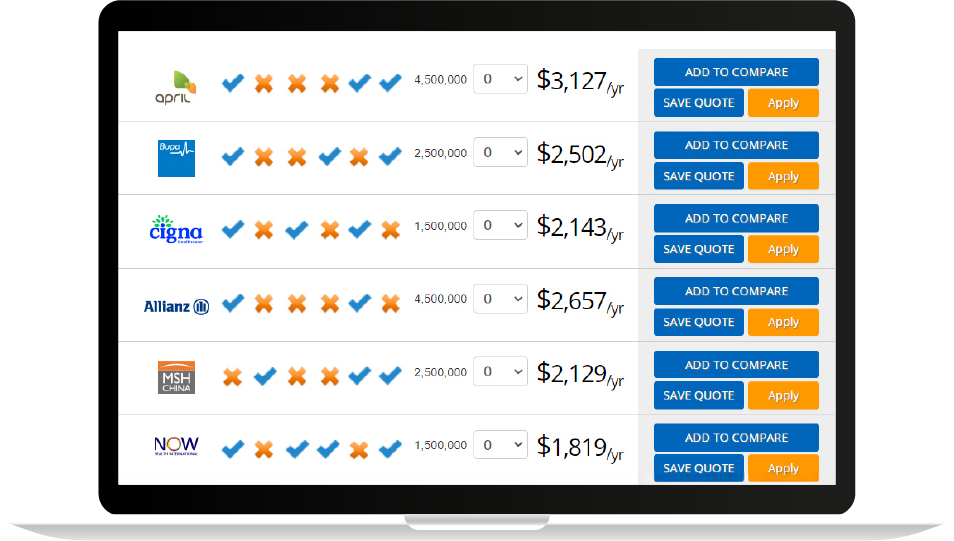
Discover the world’s top
health insurers.
Compare quotes with
a click of the button.
Despite the advantages of international relocation, there are drawbacks. HR is often responsible for helping employees move and settle, which can be challenging when the move is international. Fortunately, this Pacific Prime guide offers useful tips to help relocate an employee overseas.

Consider Relocation Terms for Your Employee
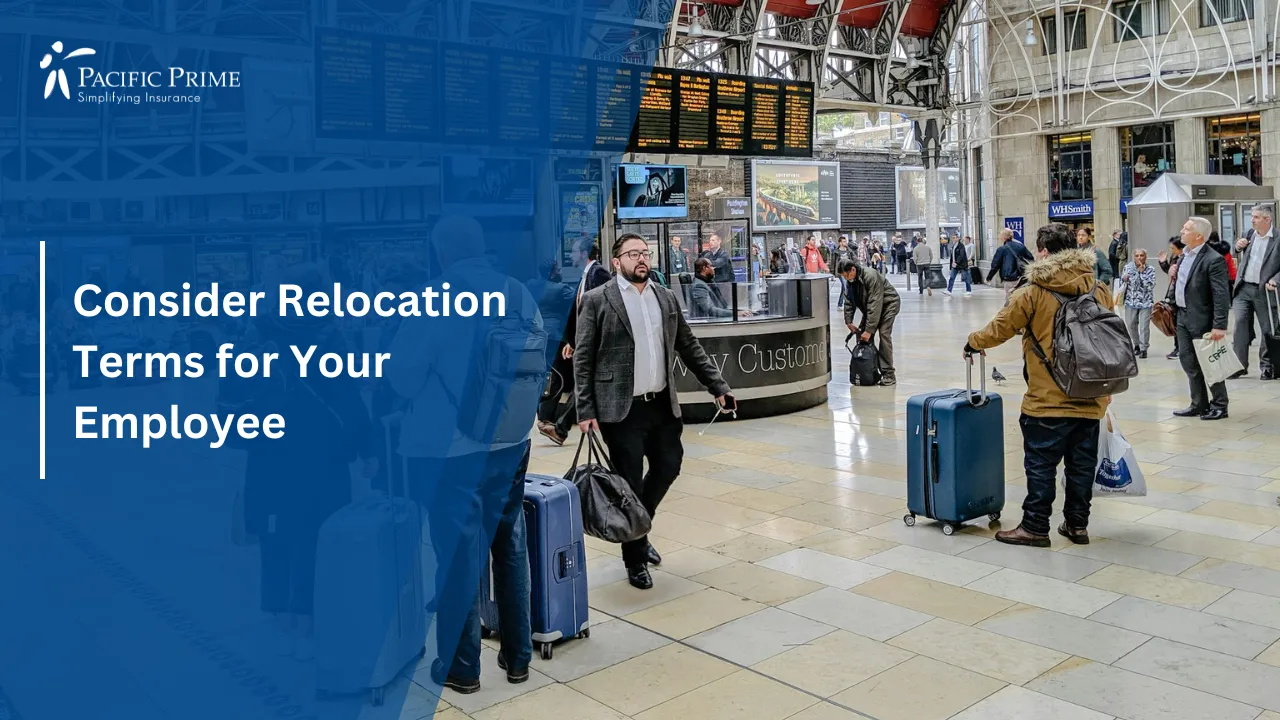
The first step in effectively managing and arranging a relocation project is to establish the terms of relocation. Things to consider include:
- The country they’re moving to
- The length of the relocation assignment (and what happens after)
- Changes to contract terms
- Whether they’re bringing family members
- The expat benefits they’ll receive (e.g. housing, schooling, international health insurance, etc.)
- The costs they’ll bear on their own
Establishing the relocation terms gives you a foundation to work with. Conversely, any areas of an employee’s move that are uncertain are likely to cause issues down the line.
Once you have a written agreement ready, schedule a meeting with your employee to discuss the terms. Good communication is essential to help employees set realistic expectations and fully utilize the support provided.
Additionally, it gives them the chance to ask any questions or voice any concerns that might not have been addressed in your international relocation policy.
Come Up With a Relocation Plan for Your Employee
An effective relocation plan consists of a checklist and a timeline. Outline all the deadlines between now and the relocation date, as well as a checklist with points assigned to specific dates. This allows you to space out important tasks and ensure enough time for each.
The success of international relocation lies in careful planning and logistics. With so many things to think about, having a plan to refer to is a must. It also prevents you from missing something important, such as visa application deadlines and property viewings.
Tip: You might want to look into hiring an international removal company that can offer global mobility solutions.
Challenges That Come With International Relocation
Challenges that come with international relocation include language barriers, cultural differences, understanding local laws, and tax and labor laws.
Language Barrier
If English is not the common language in the new country, your employees should be given some basic language courses before they move abroad. Being able to communicate with locals will help them build a good rapport and better settle into the company in the new country.
Knowing basic phrases will make your daily life easier—buying groceries, navigating, and making requests at work. It also shows that you’ve made some effort to move to that country.
Cultural Differences
Learning the most basic culture and social norms of that country is just as important. Not only will they better understand the locals’ way of life, but more importantly, they can avoid doing something offensive to their culture.
For example, in Western culture, being outspoken and direct is valued as a good character trait. But in Asian countries like Thailand, the very same characteristics can be considered offensive, because Thais tend to be considerate of others’ feelings and like to avoid confrontation.
Understanding different values will also help your employees adapt to the locals’ work culture better. With respect for their culture in mind, expats can learn to work and enjoy living abroad in no time.
Understanding Local Laws
Relocating employees should always consider reading the country’s basic laws, as they may differ from those of their home country. For instance, the driving side can be different, or there may be specific laws or rules about women or same-sex couples in some countries.
Educating your employees on key legal differences can help them avoid potential penalties and fines.
Tax and Labor Laws
As an employer, you are responsible for giving guidance to your employees on how to deal with their taxes overseas. Consider the following list when planning an expat tax guide:
- Do they need to pay tax in the new country?
- Do they still need to pay tax to their home country?
- What type of work visa does your employee need in the new country?
Communicate With the New Workplace
Set up a clear channel of communication with the new workplace so both parties can ask any questions, address concerns, provide updates, and avoid any misconceptions. Strong lines of communication will prove very beneficial for employee relocation.
Remember that you’re not only moving an employee internationally, you’re also introducing them into a whole new workplace, people, and work dynamics. The best way to avoid creating issues is to communicate with the new workplace from the start.
Get a Head Start on Expat Relocation Benefits
Expat relocation benefits are all across the board, with some companies providing minimal benefits to employees who relocate overseas, while others offer plenty of support. Ample support could look like:
- Accommodation
- A company car/ transportation allowance
- Family benefits (e.g., private schooling and family health insurance)
- International health insurance
- Annual flights home
- Living allowance
If benefits were agreed upon as part of the relocation package, make sure preparations are made sooner rather than later. That way, they’re likely to be ready in time for relocation. Keep in mind that some processes can take longer than others.
Secure Visas for Your Employee
Depending on the location, visa application processes for permanent working rights can take months. Allocate enough time and caution into the application process to help it go as smoothly as possible – and avoid errors that could delay the move.
Companies typically relocate employees to areas where they’re already established, thereby making relocation easier. Even so, immigration processes aren’t always a breeze.
Offer Personal Support for Your Employee
Employees who receive support find it easier to deal with culture shock, acclimate, and complete the relocation assignment. The employee in question (and perhaps their family) can discuss their needs and concerns with HR and what they would like support with.
While work is the reason behind international relocation, that doesn’t mean you should only be thinking about business. After all, the employee moving abroad as an expat is uprooting their whole life. Especially employees with long-term arrangements and family relocation should have the right support from you.
Protect Employees’ Health with Pacific Prime
Give your employees the peace of mind that comes from knowing their healthcare needs are met by securing group health insurance.
As a corporate health insurance and employee benefits broker, Pacific Prime has over two decades of experience helping companies of all sizes and industries design, implement, and optimize their health insurance and employee benefits offerings.
Arrange a free consultation to learn more about our offerings today!
Frequently Asked Questions
How long does it take for the whole relocation process?
On average, it usually takes between three to six months for the whole process, starting from planning and legalities, to the day the employee starts working at the new location.
Is it necessary to hire a relocation service?
Hiring a relocation service provider is not strictly necessary, but it is highly recommended, especially if you’re moving to a country with significantly different cultures, language barriers, and complex legal processes.
Can family members move to the new country with the employee?
In most cases, family members can accompany the relocating employee if the immigration laws of the destination country allow it. The employer should provide information and support for family members to ensure they can relocate together.

With his keen interest in journalism, especially in the healthcare and wellness field, Tawan joins Pacific Prime with the goal of creating content that simplifies health insurance solutions, helping people make informed choices and choose the best options for their needs. Tawan firmly believes that words have power that can shape the world for the better.
In his free time, Tawan loves to pick up his Nintendo Switch and wield his Master Sword in Hyrule’s dungeons. He is also an avid sci-fi books/shows enjoyer. You can spot him hanging around bookstores and game shops all day long!
- Best Health Insurance for Solo Traveling in Thailand – October 22, 2025
- Top Health Insurance in Thailand for Irish Expats: Options and Benefits – October 18, 2025
- Daman Health Insurance for Expats in Dubai: Plans, Benefits, and Options – October 15, 2025


Comments