300x85-png.webp)


 Hong Kong
 Singapore
 China
China Dubai
Dubai Thailand
 United Kingdom
 Mexico
The cost of health insurance in the Americas is increasing, due in part to the worldwide phenomenon of medical inflation, a lack of competition, the prevalence of chronic health issues, and the recent COVID-19 pandemic.
Discover the world’s top
health insurers.
Compare quotes with
a click of the button.
In this article, we take a deep dive into the cost drivers for health insurance in the Americas by focusing on recent cost trends in international health insurance for individuals and families in six countries in the Americas: Argentina, Brazil, Canada, Columbia, Mexico, and the United States.
The Cost Trends of Health Insurance in the Americas

Health insurance costs across the Americas have seen notable increases from 2023 to 2024, reflecting broader economic pressures and systemic challenges in the healthcare sector.
All analyzed countries—Canada, the USA, Mexico, Colombia, Brazil, and Argentina—exhibit rising premiums for both individual and family health insurance plans.
Health Insurance Cost Increases Overview
The following table summarizes the percentage increases in international health insurance costs for individuals and families across these countries (source: the Cost of International Health Insurance Report 2024):
| Country | Increase (Individual) | Increase (Family) |
| Argentina | 5% | 5% |
| Brazil | 2% | 8% |
| Canada | 1% | 3% |
| Colombia | 6% | 6% |
| Mexico | 2% | 6% |
| USA | 56% | 21% |
Health Insurance Cost General Trends
Overall, the trend in health insurance costs in the Americas indicates a clear upward trajectory. The United States leads the pack with the most dramatic increases, particularly in individual plans, where premiums surged by 56%.
This sharp rise can be attributed to various factors, including a fragmented healthcare system and increased demand for services, exacerbated by the lingering effects of the COVID-19 pandemic.
In Canada, the increases are considerably less severe at 1% for individual premiums and 3% for family premiums, respectively.
Latin American countries like Colombia and Brazil are experiencing moderate increases, which can be linked to relative economic instability and inflationary pressures affecting healthcare resources.
The rising costs of health insurance across the Americas reflect a complex interplay of market dynamics, regulatory environments, and demographic shifts. We will examine the major factors one by one.
Reasons for the Increasing Cost of Health Insurance in the Americas
The rising cost of health insurance in the Americas is a complex issue influenced by various interrelated factors including lack of competition, prevalent chronic health issues, technological advancements, and defensive medical practices.
1. Market Concentration
One important factor is the high concentration in health insurance markets. As fewer companies dominate the landscape, competition is reduced, leading to higher premiums. When insurers consolidate or exit markets, consumers face limited choices, further exacerbating the problem.
This lack of competition allows remaining insurers to raise prices without the fear of losing customers. That’s why regions with significant insurer consolidation report marked increases in premium costs, as companies leverage their market power to dictate terms.
2. Rising Healthcare Utilization
The demand for healthcare services has surged, particularly in the wake of the COVID-19 pandemic. Many individuals are seeking medical attention for chronic conditions that may have been neglected during lockdowns.
This increased utilization results in higher healthcare spending, which translates into higher insurance premiums. A substantial proportion of healthcare costs is for managing chronic diseases and mental health conditions, further straining health insurance systems.
3. Chronic Health Issues
Chronic diseases such as diabetes, heart disease, and obesity are prevalent in the Americas. Chronic conditions necessitate ongoing and often costly medical care, resulting in increased healthcare expenditures.
As the population ages and health issues become more widespread, insurance providers face escalating costs that they pass on to policyholders through higher premiums.
4. Technological Advancements
While medical technology can enhance care outcomes, it often comes with a steep price tag. The introduction of advanced diagnostic tools and treatment options drives up healthcare costs.
These innovations, while beneficial, create an expectation among patients and providers for the latest and most effective treatments. Consequently, insurers adjust their premium pricing to accommodate the rising costs associated with these technologies.
5. Fee-for-Service Payment Models
The prevalent fee-for-service model incentivizes healthcare providers to deliver more services instead of prioritizing quality of care. In this system, providers are compensated based on the volume of services provided, leading to unnecessary tests and procedures.
This overutilization not only inflates healthcare costs but can even undermine the quality of care. Insurers, facing higher payouts, consequently raise premiums to maintain profitability.
6. Lack of Price Transparency
Consumers often lack access to clear information about healthcare pricing, making it challenging to make informed decisions. Efforts have been made to improve transparency, but many patients still find it difficult to navigate the costs associated with various treatments and services.
This confusion can lead to higher expenses, as patients are unable to compare prices effectively, resulting in medical bills that create pressure on insurers to raise premiums.
7. Defensive Medicine Practices
Fear of malpractice lawsuits compels many healthcare providers to practice defensive medicine, which involves ordering unnecessary tests and procedures to protect themselves legally. This practice adds significant costs to the healthcare system.
Estimates suggest that defensive medicine accounts for hundreds of billions of dollars annually in healthcare spending. Insurers, responding to these inflated costs, pass on the financial burden to consumers through higher premiums.
8. Administrative Expenses
The administrative overhead associated with health insurance is another contributing factor. The U.S. healthcare system is often criticized for its complexity, which results in high administrative costs.
Insurers must navigate a labyrinth of regulations, claims processing, and customer service demands, all of which require substantial resources. These costs are typically reflected in the premiums charged to consumers.
What You Can Do to Save Costs

Strategies that you can employ to effectively manage and reduce your health insurance costs include understanding your options, shopping around, practicing preventive care, and using telehealth services.
1. Understand Your Insurance Options
Knowledge is power, so learn about the different plans available—such as Health Maintenance Organizations (HMOs), Preferred Provider Organizations (PPOs), and Exclusive Provider Organizations (EPOs). Each has its unique features such as coverage limits, premiums, and out-of-pocket costs.
Evaluate Plan Networks: Choose a plan with a network of providers that includes your preferred doctors and hospitals. This can considerably reduce your costs.
2. Opt for High-Deductible Health Plans (HDHPs)
High-deductible health plans typically come with lower monthly premiums but higher deductibles. If you are generally healthy and do not anticipate significant medical expenses, an HDHP can save you money in the long run.
Health Savings Accounts (HSAs): Pairing an HDHP with an HSA allows you to save pre-tax money for medical expenses. This can further offset costs and provide tax advantages.
3. Shop Around for Coverage
Just as you would compare prices for any other service, you should shop around for health insurance. Use comparison tools available online to evaluate different plans and their costs.
Annual Enrollment Periods: Take advantage of open enrollment periods to explore various plans and switch if you find a more cost-effective option.
Another effective way that ensure you get a good deal is by engaging an experienced and highly reputed insurance brokerage like us. In addition to the advice and value-added services we offer, we’ll support you throughout your insurance journey, all at no extra cost to you. Contact us today!
4. Maximize Preventive Care
Most health insurance plans cover preventive services at no additional cost. Use these benefits to catch potential health issues early, which can prevent costly treatments down the road.
Regular Check-ups and Screenings: Schedule annual physicals, vaccinations, and screenings that are covered by your plan. This proactive approach can lead to early detection of chronic conditions.
5. Leverage Employer Benefits
If you are employed, check to see if your employer offers Health Reimbursement Arrangements (HRAs) or other health benefits. These can provide additional financial assistance for healthcare costs.
Flexible Spending Accounts (FSAs): Consider using FSAs for out-of-pocket expenses. These accounts allow you to use pre-tax dollars for eligible medical expenses, effectively reducing your taxable income.
6. Consider Telehealth Services
The rise of telemedicine offers a convenient and often cheaper alternative for non-emergency medical consultations. Many plans now include telehealth services, which can save you both time and money.
Evaluate Costs: Compare the costs of in-person visits versus telehealth options to see where you can save.
Download Our Cost of International Health Insurance Report 2024 to Learn More
Explore the latest insights into global health insurance trends with our Cost of International Health Insurance Report 2024. This comprehensive report analyzes premium fluctuations for individual and family plans not only in the Americas but across 100 countries!
Discover how factors like rising medical costs in Hong Kong and the staggering 56% increase in individual premiums in the US affect the insurance landscape. Delve into regional highlights, including Dubai’s rising premiums due to overutilization and the innovative flexible benefits in Singapore.
Whether you’re a business leader aiming to optimize employee health plans or an individual navigating your options, this report provides valuable data and trends in international health insurance. Don’t miss out on these valuable insights—download the report today!
Frequently Asked Questions
What are the main factors driving health insurance costs higher in the Americas?
Rising health insurance costs in the Americas are influenced by factors including increasing healthcare utilization, escalating prescription drug prices, and a growing elderly population. Moreover, the consolidation of insurers reduces competition, leading to higher premiums for consumers.
What role does healthcare technology play in rising insurance costs?
Advancements in healthcare technology often lead to increased costs due to the high expense of new treatments and diagnostic tools. While these innovations can improve healthcare outcomes, the associated costs are frequently passed on to consumers in the form of higher premiums.
How does the fee-for-service model contribute to higher health costs?
Under the fee-for-service model, providers are reimbursed for each service rendered, incentivizing excessive testing and treatments. This can lead to unnecessary procedures, driving up overall healthcare costs, which ultimately affects insurance premiums for consumers.
Why is there a lack of transparency in healthcare pricing?
Many individuals struggle to find clear information about healthcare costs, making it difficult to compare prices effectively. Despite efforts to increase transparency, medical pricing remains complex, causing patients to face unexpected bills and contributing to overall rising insurance costs.
Conclusion: Compare Plans and Quotes Now
At Pacific Prime, we offer a comprehensive range of insurance plans, including international health insurance and medical evacuation (medevac) plans. We further offer family health, maternity health, dental insurance, travel insurance, and a whole range of other plans.
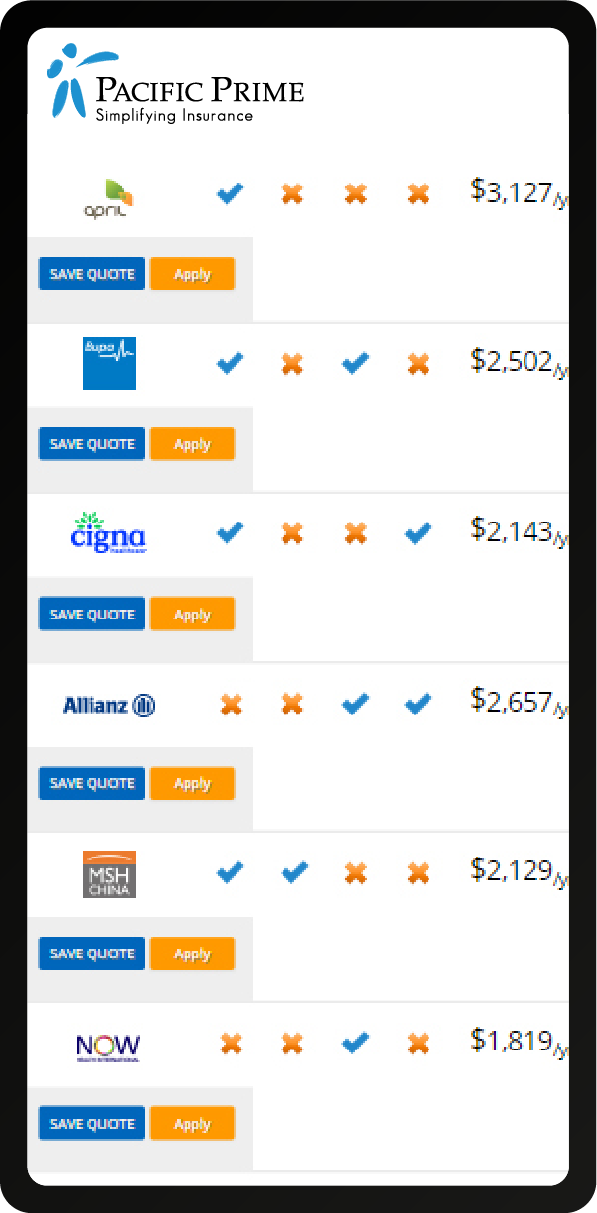
For more details about our insurance plans with/without US coverage or for a free quote, contact one of our professional advisors today! Moreover, you may compare different plans with our online comparison tool.

Since joining Pacific Prime, Martin has become even more aware of the gap between the true value of insurance products and most people’s appreciation of it, and developed a passion for demystifying and simplifying matters, so that more people get the protection they need at a cost they can easily afford.
In his free time, Martin attends concerts of various genres, and plays the violin with piano accompaniment he pre-recorded himself or played live by his niece.
- Bali Visa on Arrival: Essential Guide for Travelers – October 17, 2025
- Cost of Living in Costa Rica: Expat Guide – October 15, 2025
- Top 11 Insurance Companies in Curaçao for Expats – October 8, 2025



Comments